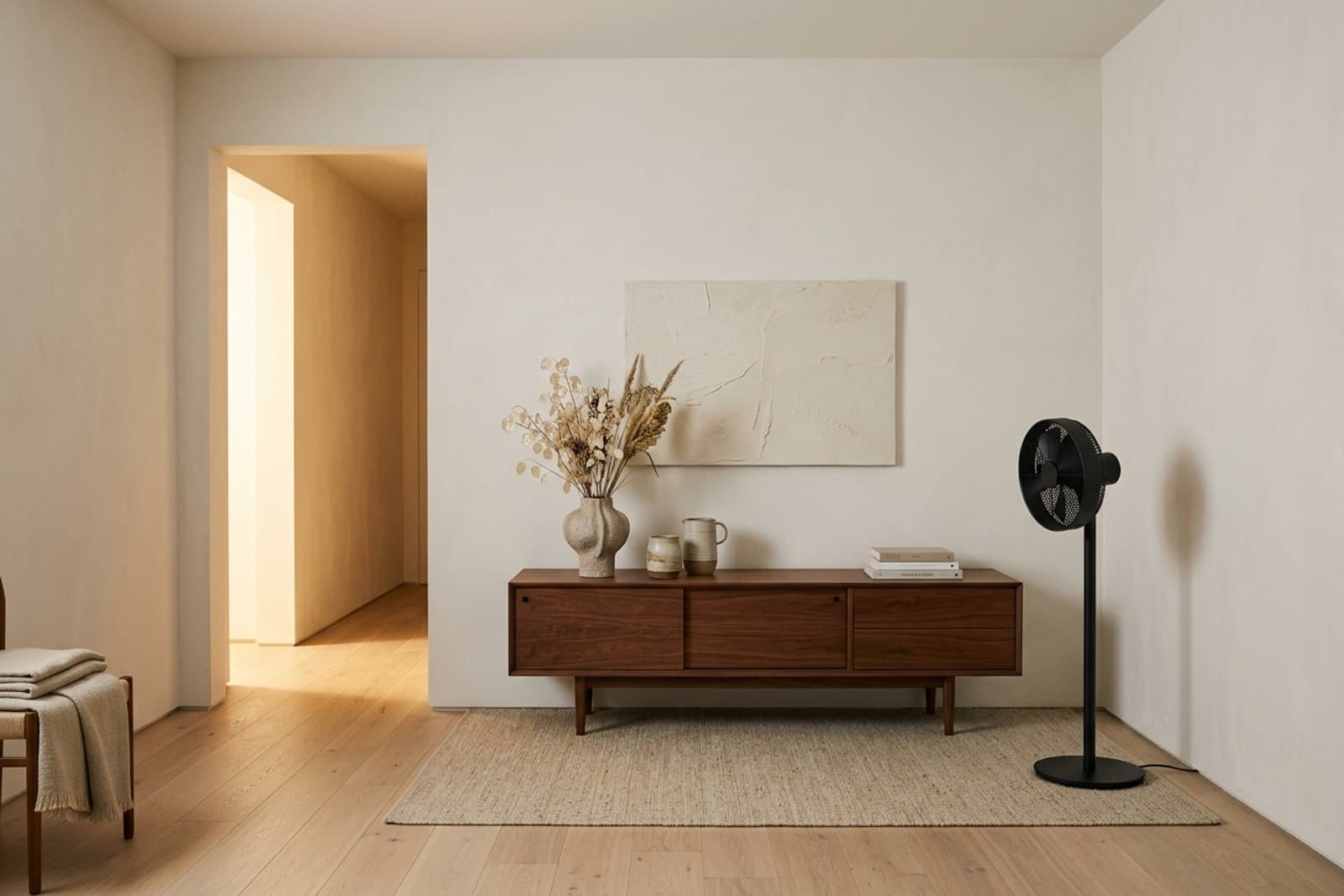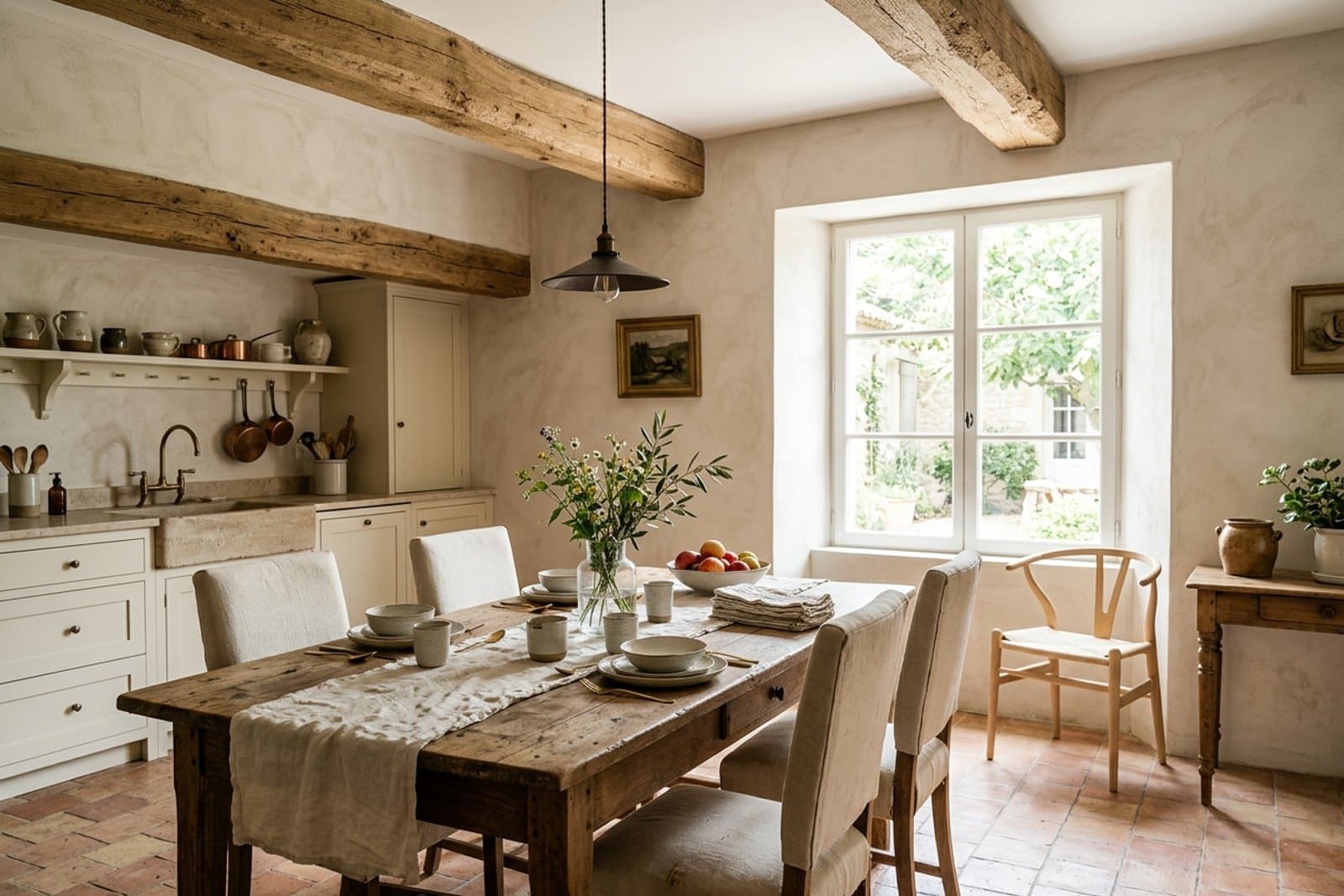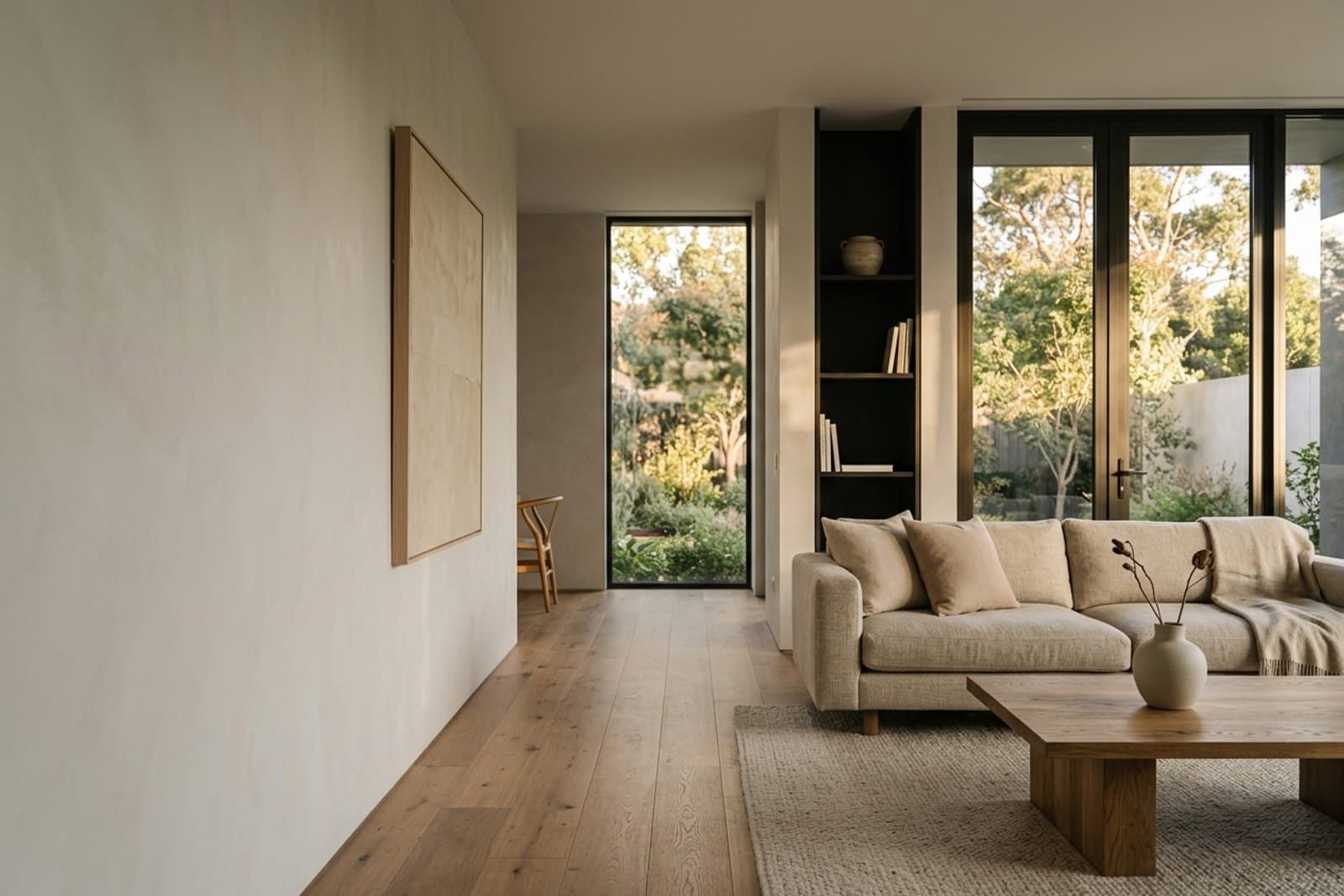
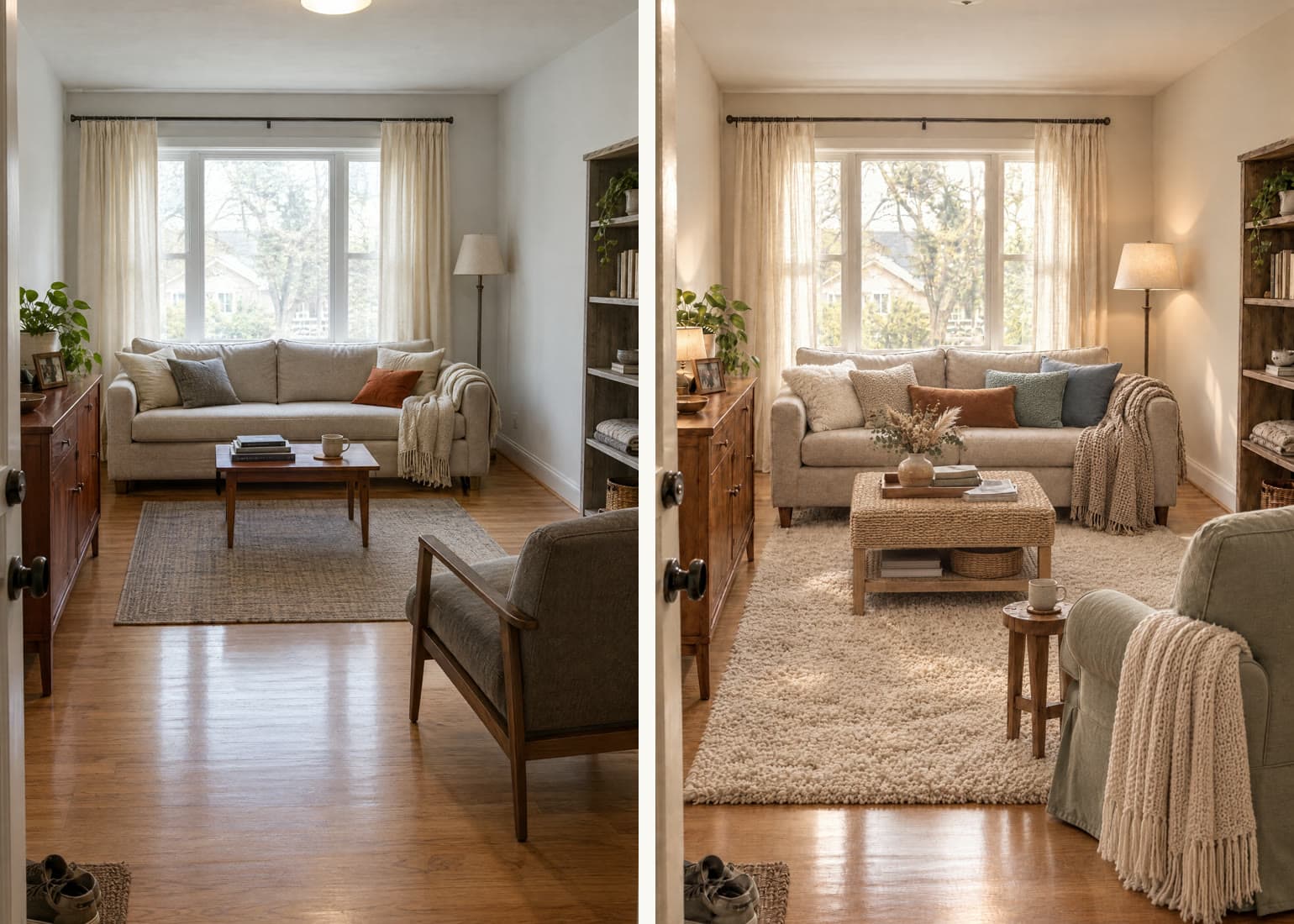
How to Cool a Living Room Without AC
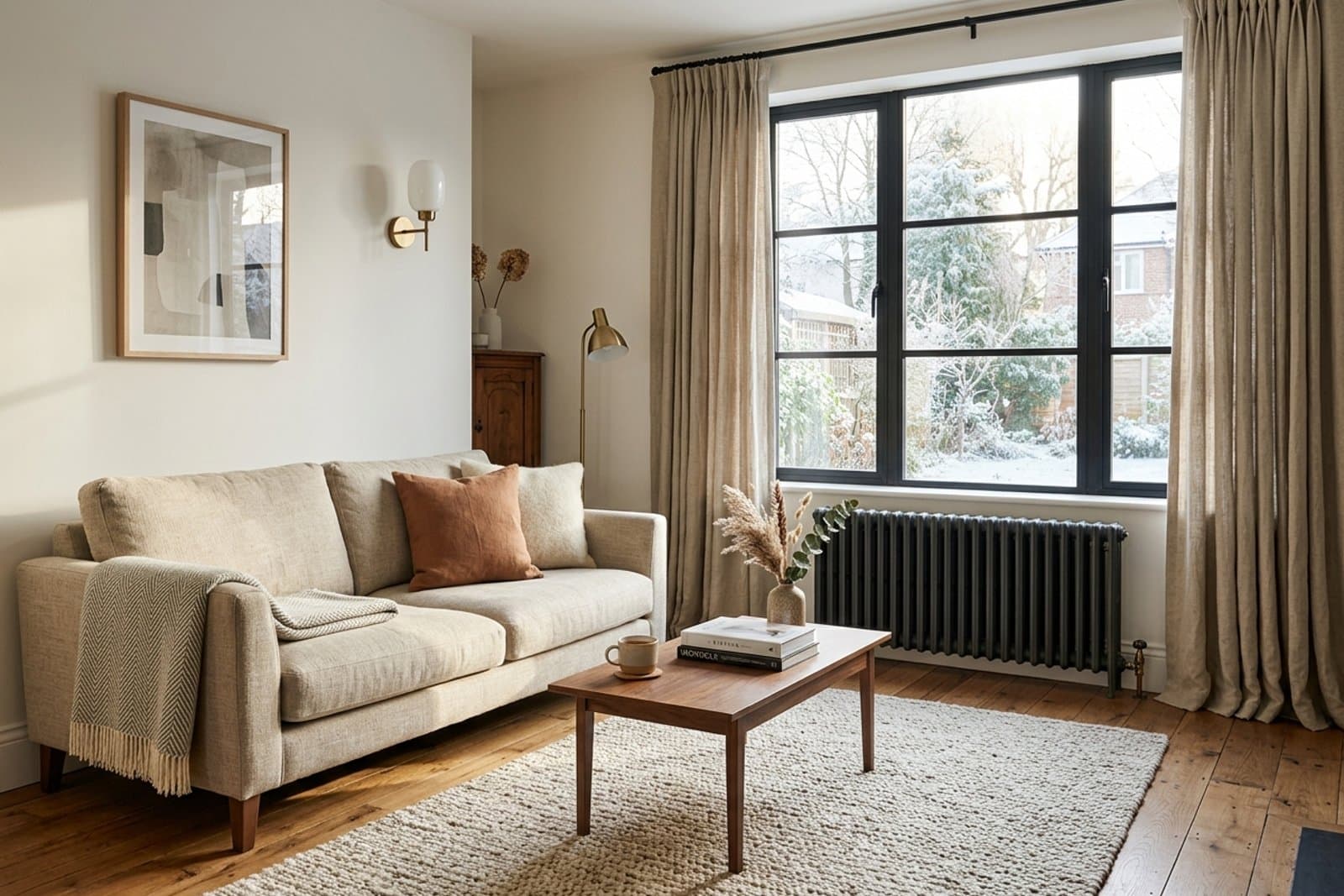
A living room cools down faster when you block sun early, move air by time of day, and remove heat holding decor. Use this practical summer plan before buying another fan.
Welcome to
Design tips, room makeovers, and inspiration to help you create spaces you love living in.

A living room cools down faster when you block sun early, move air by time of day, and remove heat holding decor. Use this practical summer plan before buying another fan.

The thermometer says 82 outside, but your apartment feels like 88 with every window open. Here is why small apartments trap heat, and the renter routine that cools one down tonight without buying AC.

Fans and curtains work best as a timed system, not separate fixes. Use this renter safe cooling routine to block heat before it enters, move air at the right hour, and make a hot room feel calmer without AC.

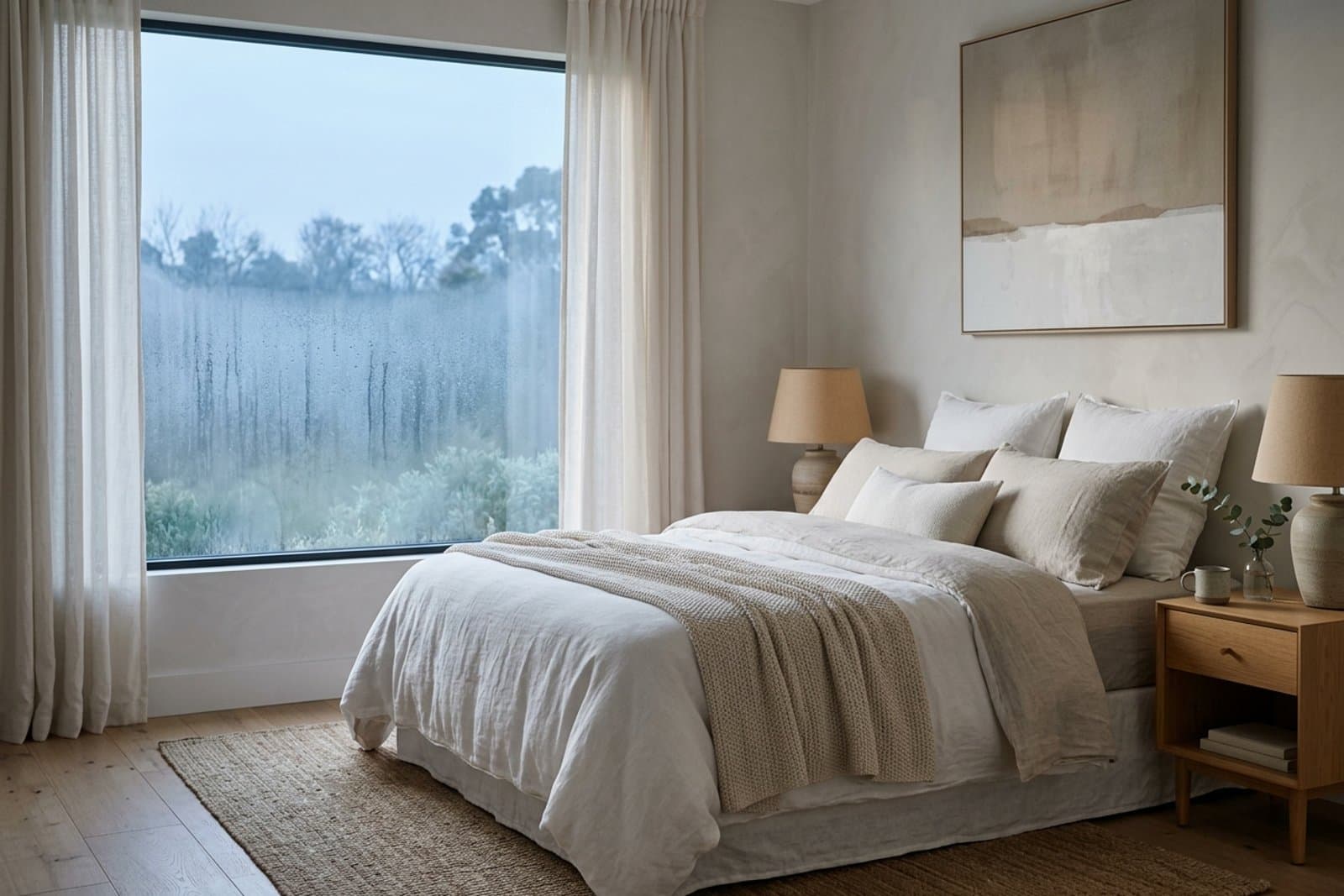
A humid room needs moisture control before more airflow. Use this renter safe sequence to exhaust damp air, dry textiles, place fans correctly, and make a bedroom or living room feel cooler without installing AC.

A living room can look finished and still make you feel tense. Check the room for five common stress signals: unclear seating, glare, visual noise, hard edges, and no obvious landing place.

A bedroom that looks fine can still fight sleep when the layout, light, temperature, texture, and visual noise keep your body alert. Use this room check to make the space easier to fall asleep in before buying a new mattress.

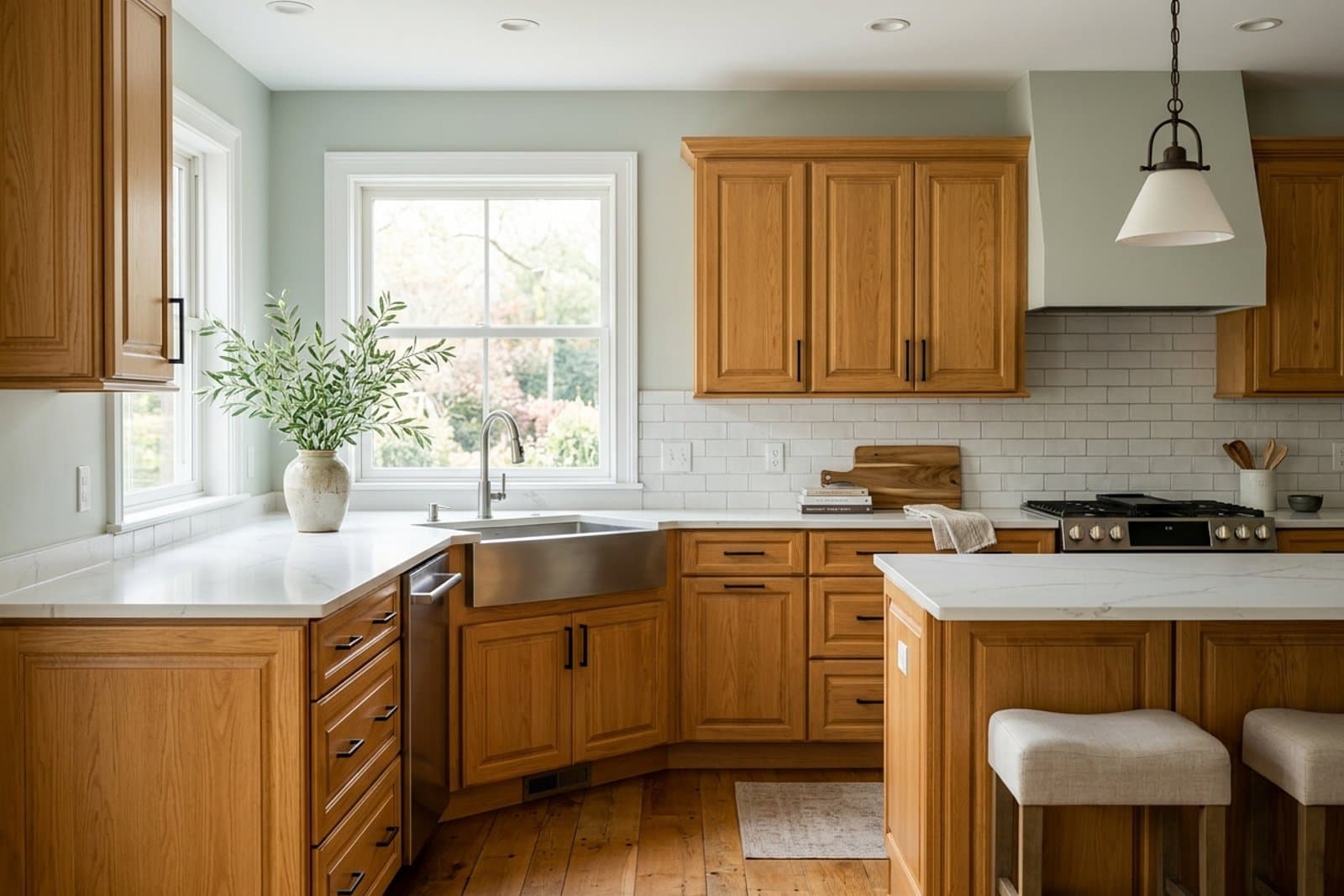
Small kitchens trap cooking heat fast. Use this renter safe sequence to block sun, cook cooler meals, exhaust heat after dinner, and keep the kitchen from warming the rest of the apartment.

An apartment still reads as a rental after decorating because furniture never supplies ownership signals on its own. Five marks make the difference: something chosen on the wall, one material with real age, objects on display, a scent layer, and dropping the temporary mindset itself.

Afternoon sun bakes a no-AC apartment through the window. Here are 7 curtains and blinds that actually keep heat out, all renter safe and no drilling.

How to cool a top floor apartment without AC, in nine renter safe fixes. The roof above you can hit 120 degrees on a 90 degree day and radiate that heat down long after sunset, so this guide works the ceiling heat, the trapped air, and a night flush routine to cool the hottest unit in the building.

A dark room is usually losing light, not starved of it. Daylight gets blocked before it enters, surfaces absorb it, nothing bounces it deeper, and lamps only light the center. Fix the four light-loss points, in order, starting with the free one.

An apartment usually feels unfinished not because something is missing, but because a few foundational pieces were chosen wrong. Five decisions carry a home: the sofa, the lighting, the entryway, the bed, and the rug. Get one wrong and you spend months compensating with more stuff.

A room can be spotless and still feel busy, because tidy is about mess and calm is about visual load. Four moves lower the load: give the eye one place to land, cut the visible object count, close the open loops, and tighten the color field.

A room can look styled and still feel flat because every visual element sits below three feet, giving the eye no reason to travel up. Four principles push weight above the band: raise the sight line, float the sofa, kill the overhead after sunset, and build depth the way a landscape painter does.

A 350 sq ft studio holds four real zones when you stack the right boundaries. Below is the renter sequence: place the bed first, hang a ceiling curtain on Command hooks, lay one rug per zone, and let lamp color temperature do the work a wall would.

West facing rooms feel fine at breakfast and unbearable by dinner. Here is the renter-safe cooling sequence that blocks late-day sun, dumps stored heat after sunset, and makes a small apartment sleepable without installing AC.

A reading nook in a small apartment is one chair, one warm lamp, and a 30 inch corner you commit to. Nine moves below cover the renter safe corner, the closet variant rising 55 percent on Pinterest, and the storage ottoman window seat that needs no built in.

A bedroom that sleeps cool in July is built in layers, not bought as one product. Twelve moves that stack light control, airflow, bedding, and room finish to hold bedroom temperature 6 to 10°F lower without running AC all night, starting under $250.

A Scandinavian bedroom works at 120 sq ft when you trade matched sets for one warm white, one piece of wood, and three textures of cream. Twelve rental safe moves under $600.

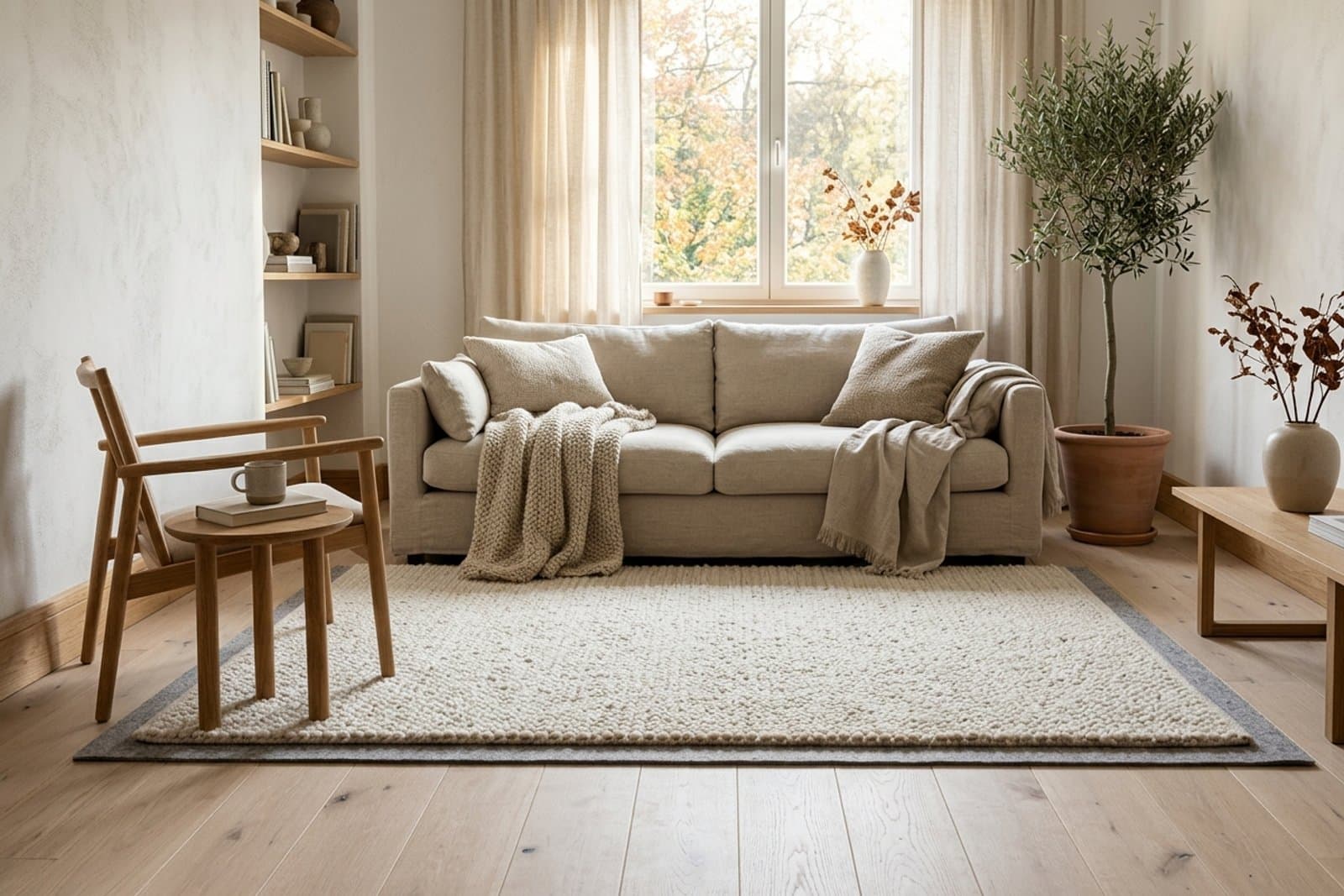
Scandinavian living rooms read warm when you swap stark white for cream, the overhead for two lamps, and the matched set for layered pieces gathered slowly. Nine moves under $1,800.

Small cottage patio ideas: one rug, one terracotta urn, plants in three heights, warm string lights, and a water feature. Nine reversible moves, under $1,400.

The 2026 small studio playbook is no longer white walls and a giant mirror. It is warm earth tones, three zones split by rugs and light, and one classic shape per area. Here is the full 11 step formula for a 400 sq ft renter.

A guest room you've barely entered in six years can read as intentional by Sunday night. Nine fixes (the bed, the lamp, the cleared drawers, and six small touches) total under $400, no paint or new furniture.
A home cafe corner doesn't need a full bar setup. With a 24 by 16 inch footprint, four brewing tools that earn their place, and one material shift to mark the zone, a small apartment can hold a slow morning ritual without losing the rest of the room.

Your south facing bedroom can stay 10 to 15°F cooler this summer without AC and without permanent installs. The four mechanical fixes that work, plus the design choices (palette, textiles, bedding) that compound them, starting under $200 for the core stack.
Living alone is no longer a temporary phase. It is becoming a dominant lifestyle, and interior design is shifting with it. Homes are no longer built for families. They are built for one.

Luxury used to announce itself with marble and chandeliers. Quiet luxury moves in the opposite direction. Here is what has changed, and how to bring it into your own home.
Color is not just visual. It is behavioral. The shade of your living room shapes how you feel, how long you stay, and how your body settles at the end of the day.

Your home is not a passive background. It is in constant conversation with your brain, and that conversation either calms your nervous system or keeps it slightly on edge.

A small home is not a limitation. It is a magnifier. The smaller the space, the more every detail, every decision, and every mistake shows.
Scandinavian design has stayed relevant for decades, not because it is fashionable, but because it solves real problems in how people live.

You don't have a style problem. You have a clarity problem. Why endless Pinterest saving keeps you stuck, and three steps to find a direction that fits how you live.

Stress doesn't only come from work or money. The shape, light, and clutter of your home keep your nervous system on quiet alert. Six design moves that change it.

Real U.S. programs that help seniors fix their homes for free or at a reduced cost. Where to look, what's covered, and how to make the help count.

Retirement isn't only a financial transition. It's a spatial one. These 6 minimalist living tips help you reclaim space, reduce clutter, and design a home that supports daily life in your 50s and beyond.

Designing a home for your 50s and 60s isn't about trends. It's about alignment. These 7 interior design tips, backed by experts, help you create a space that feels calm, supportive, and deeply comfortable as you age in place.
The right paint color can make a cramped room feel twice its size. Here are 10 designer favorites that open up any space.
The experiential trends reshaping how we live in 2026. Your home is becoming your story, and it's getting smarter, bolder, and more intentional.
Japanese minimalism meets Scandinavian warmth. Here's how to bring the Japandi aesthetic into your home without starting from scratch.
The visual trends reshaping interiors in 2026. Less molding, deeper textures, organic curves, and lighting that doubles as sculpture.
Your furniture arrangement might be the reason your living room doesn't feel right. Here are the most common layout mistakes and how to fix them.
Storage solutions that don't sacrifice style. These ideas will help you maximize every inch of your bedroom without the clutter.
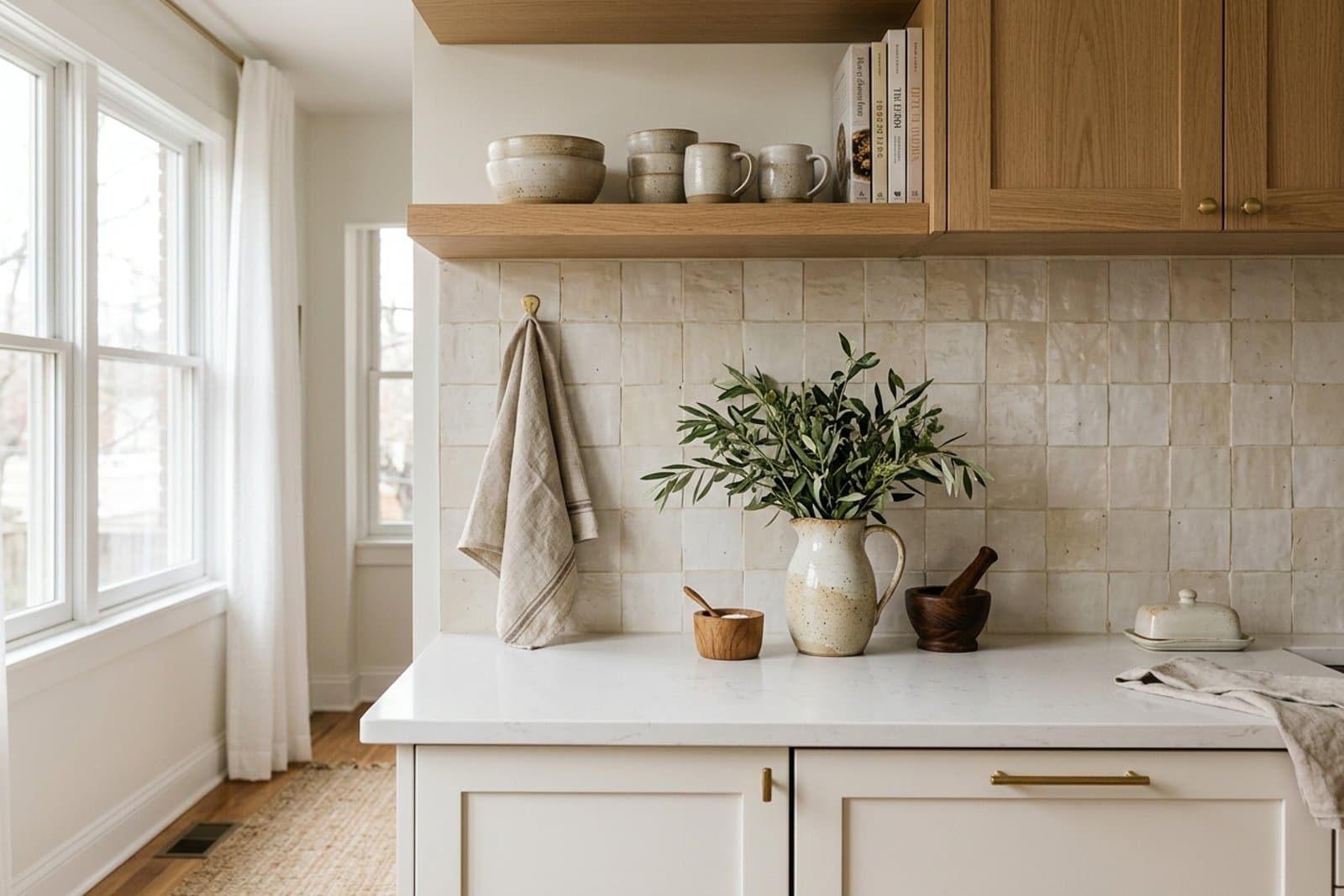
From handmade zellige tiles to bold stone slabs, here's what designers are choosing for kitchen backsplashes this year.
Good bedroom lighting is about layers. Here's how to combine ambient, task, and accent lighting to create a space that works day and night.
Upload a photo of your room and get personalized design recommendations from Archie, our AI interior design assistant.
Try Archie Free