Where To Put Mirrors In A Dark Room
Where to put mirrors in a dark room: aim them at a window, pale wall, or lamp to bounce light. See the safest spot before you buy another fixture.
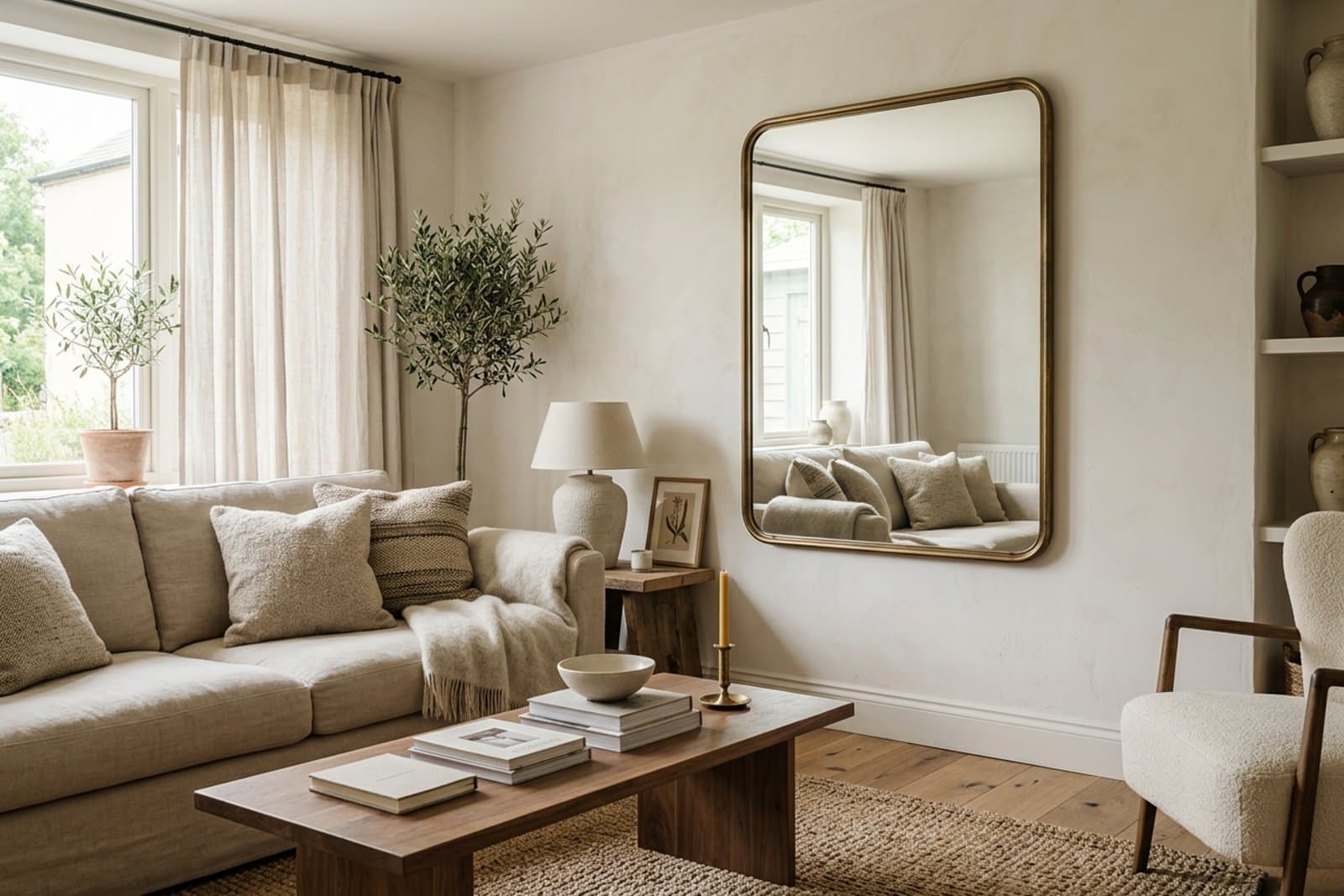
Put mirrors in a dark room where they reflect usable light: across from a window, beside a window at a shallow angle, opposite a pale wall, or behind a lamp that needs more spread. A mirror will not create daylight. It moves light you already have, so the best spot shows sky, glass, a light wall, or a warm 2700K lamp when you stand in front of it.
Avoid reflecting black TVs, open shelving, dark hallways, or clutter. Those views make the room busier and can make the dimness feel worse. One mirror about 30 to 40 inches wide usually brightens more cleanly than several small mirrors. Test the view at noon and after sunset before hanging hardware, because the best daytime mirror spot is sometimes a weak evening spot unless a lamp is part of the reflection.
This guide is for a room that feels dim even after you open the curtains. If the whole room is dark, start with why your room feels dark, then compare where to put lamps in a dark room and why a room feels flat before buying another mirror.
Where should a mirror go if the room has one window?
Place the mirror across from the window when it can see the glass or the sky. That is the cleanest setup because the mirror catches the strongest daylight source and sends it back into the room instead of letting it die near the window wall.
Check the view before you hang it. Stand where the mirror would go and look at what it would reflect. Good views include:
- The window itself.
- A pale wall near the window.
- A light rug or sofa.
- Open sky, trees, or a bright exterior surface.
Bad views include a black TV, a dark fireplace opening, a crowded bookshelf, or a hallway with no natural light.

Is it better to put a mirror opposite or beside a window?
Opposite the window is usually best for moving daylight deeper into the room. Beside the window is better when the opposite wall would reflect something dark, busy, or visually heavy. The goal is not a rule. The goal is a bright reflection.
Use the opposite wall when the mirror can reflect glass, sky, or a pale part of the room. Use the side wall when the room is narrow, the opposite wall is too far away, or the mirror would otherwise face a TV. A side mirror angled toward the window can catch light without showing the least attractive wall in the room.
| Mirror placement | Choose it when | What it reflects |
|---|---|---|
| Opposite the window | The far wall faces glass, sky, or a pale surface | Daylight pushed deep into the room |
| Beside the window, angled | The room is narrow or the far wall holds a TV or dark furniture | Window light without the heavy wall |
Can a mirror brighten a room with no direct sunlight?
Yes, but only if it reflects the brightest available surface. North facing rooms, shaded apartments, and rooms blocked by trees can still benefit from a mirror, but the mirror needs to catch open sky, a pale curtain, a warm white wall, or a lamp. If it reflects a dim brown cabinet, it will not help much.
In low daylight rooms, pair the mirror with one pale landing surface nearby. A cream rug, oak console, linen shade, or warm off white wall gives weak light somewhere to bounce. That small pairing matters more than a larger mirror pointed at a dark surface.
How big should the mirror be in a dark living room?
Choose one mirror large enough to read as a second light source. For most living rooms, that means about 30 to 40 inches wide, or a floor mirror at least 60 inches tall if the room has the wall space. Tiny mirrors scatter glints. They do not usually change the room's brightness.
Scale the mirror to the thing it sits above:
- Above a console, keep it about two thirds of the console width.
- Above a sofa, keep it centered and leave 6 to 10 inches above the back.
- On an empty wall, use a taller mirror so it catches both window and floor light.
The frame matters too. A slim wood, brass, or painted frame keeps the mirror from becoming another dark block.

Where should you not put a mirror in a dark room?
Do not put the mirror where it doubles the problem. A mirror facing clutter, cords, a black screen, a dark doorway, or a heavy furniture wall will make the room feel more crowded, not brighter. It may technically reflect light, but the eye reads the extra visual weight first.
Also avoid placing a mirror so it throws glare into the main seat. Sit where you read, watch TV, or talk with guests before you hang it. If the reflection feels sharp at noon or after sunset, shift the mirror a few inches, lower it, or move it to the side wall.
Should a mirror go behind a lamp?
A mirror behind or beside a lamp can help at night, especially in a room where the corners disappear after sunset. Put the mirror where it reflects the shade glow, not the bare bulb. A reflected bare bulb creates glare. A reflected linen shade creates a wider, softer pool of light.
This works best with warm 2700K E26 LED bulbs and fabric shades. A 2700K bulb sits at the warm white point defined in the ANSI C78.377 lighting standard, so any bulb with that label reads the same soft tone in the reflection. If the mirror is near a table lamp, keep the lamp slightly forward so the shade is visible in the reflection. If the mirror is near a floor lamp, test the evening view before you commit to hooks or anchors.

What is the fastest way to test mirror placement?
Use your phone camera before using a hammer. Hold the phone where the mirror would sit, face it into the room, and check what fills the screen. If the camera sees the window, pale wall, lamp shade, or light rug, the mirror will probably help. If it sees a dark object, move.
This is the one step I have never skipped in twenty five years, because a mirror doubles whatever it faces and has no opinion about whether that thing deserves doubling. Aim it at the window and you double daylight. Aim it at a cluttered bookshelf and you have built a monument to the clutter. So I photograph the exact view the mirror will reflect and look at the picture, not the wall. If you would not frame that photograph, do not frame it in glass either.
Then test three moments: morning, midafternoon, and after sunset. A good mirror spot works in at least two of them. The best spot often is not the most centered spot on the wall. It is the spot that returns light to the part of the room that feels dead.
The simple rule
A mirror brightens a dark room when it reflects light, not when it simply fills a blank wall. Start with the window view, then the pale wall view, then the lamp view. If none of those are available, fix the light path first with curtains, lamps, or a lighter textile.
If you are choosing between a mirror, lamp, rug, or paint, send Archie a photo first. The right next purchase is the one that fixes the room's actual light loss, not the one that looked best in someone else's house.
Frequently asked questions
Do mirrors make a dark room look brighter?
Yes, but only by moving light that already exists. A mirror aimed at a window, pale wall, or lamp bounces that light back and makes the room read brighter. A mirror aimed at a black TV, dark cabinet, or empty corner reflects the gloom instead and can make the room feel dimmer.
Why do mirrors make a room look bigger?
A mirror repeats the space in front of it, so the eye reads the room as continuing past the wall. In a dark room the effect is strongest when the mirror reflects a window or a bright, uncluttered surface rather than a busy or shadowed one.
Can mirrors reflect sunlight into a room with no windows?
Not on their own. A mirror can only pass along light that reaches it, so a windowless room needs a source first, such as a lamp or borrowed light from an open doorway. Place the mirror to catch that source, then angle it toward the darkest corner.
Where is the best place to hang a mirror to brighten a dark room?
Hang it where it faces the brightest thing in the room, usually across from the window so it catches glass and sky. If the opposite wall holds a TV or dark furniture, move to a side wall and angle the mirror toward the window or a warm lamp instead.
The Noticer
For thoughtful people who notice spaces.
What did you notice?
Did something in this story make you see your own space differently?
Ask Archie where your mirror should go
Upload a room photo and Archie will read the window, wall color, furniture height, and lamp locations before you buy or hang anything.
Find my mirror spot with ArchieAdvertisement. Archie is made by STUDIO DID IT, the studio that publishes Spatia.
Related Articles
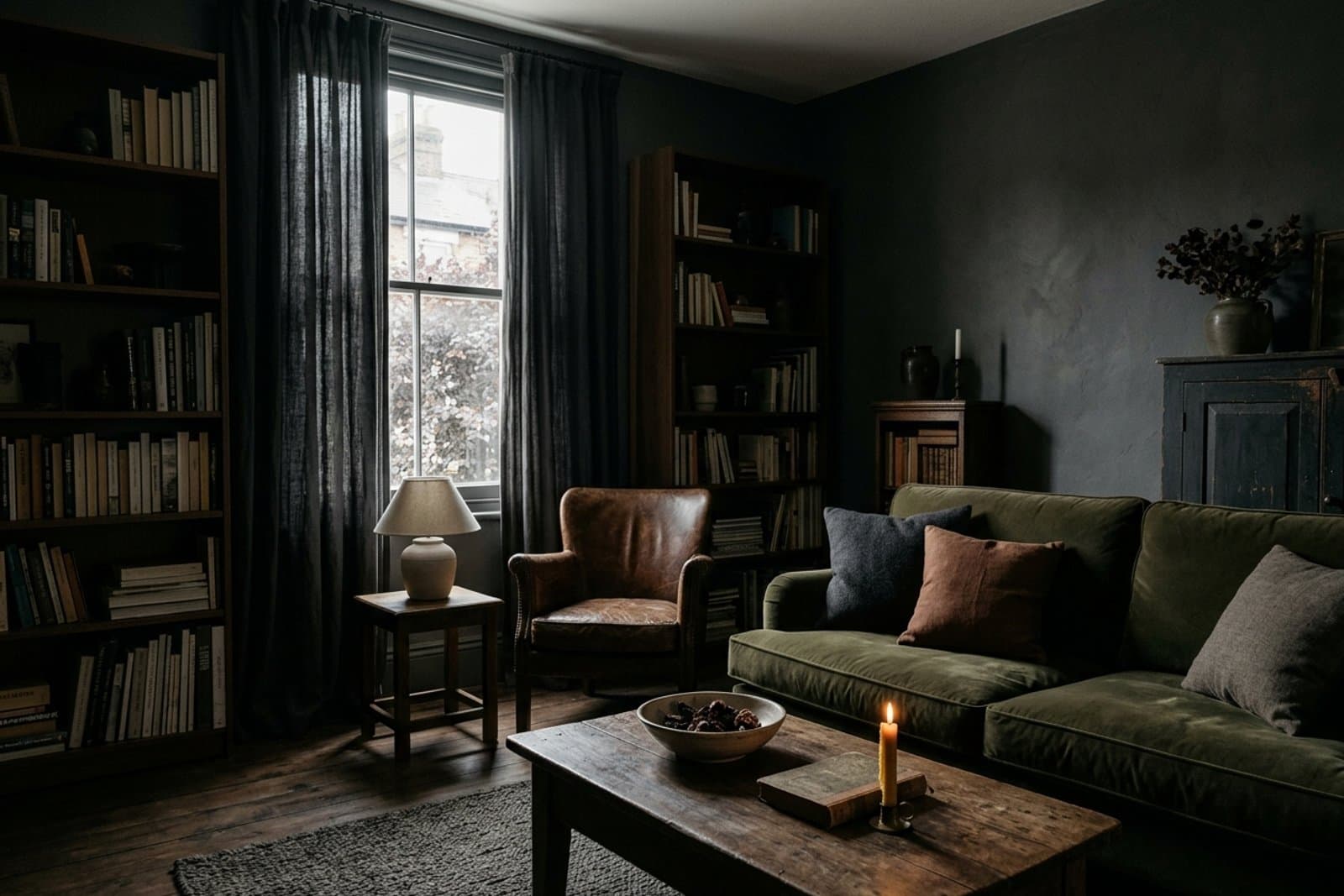
Why Does My Room Feel Dark? (4 Light Leaks to Fix)
Why does my room feel dark? It is losing light at 4 points. Find your leak with a two photo test, then start with the free fix: the window.
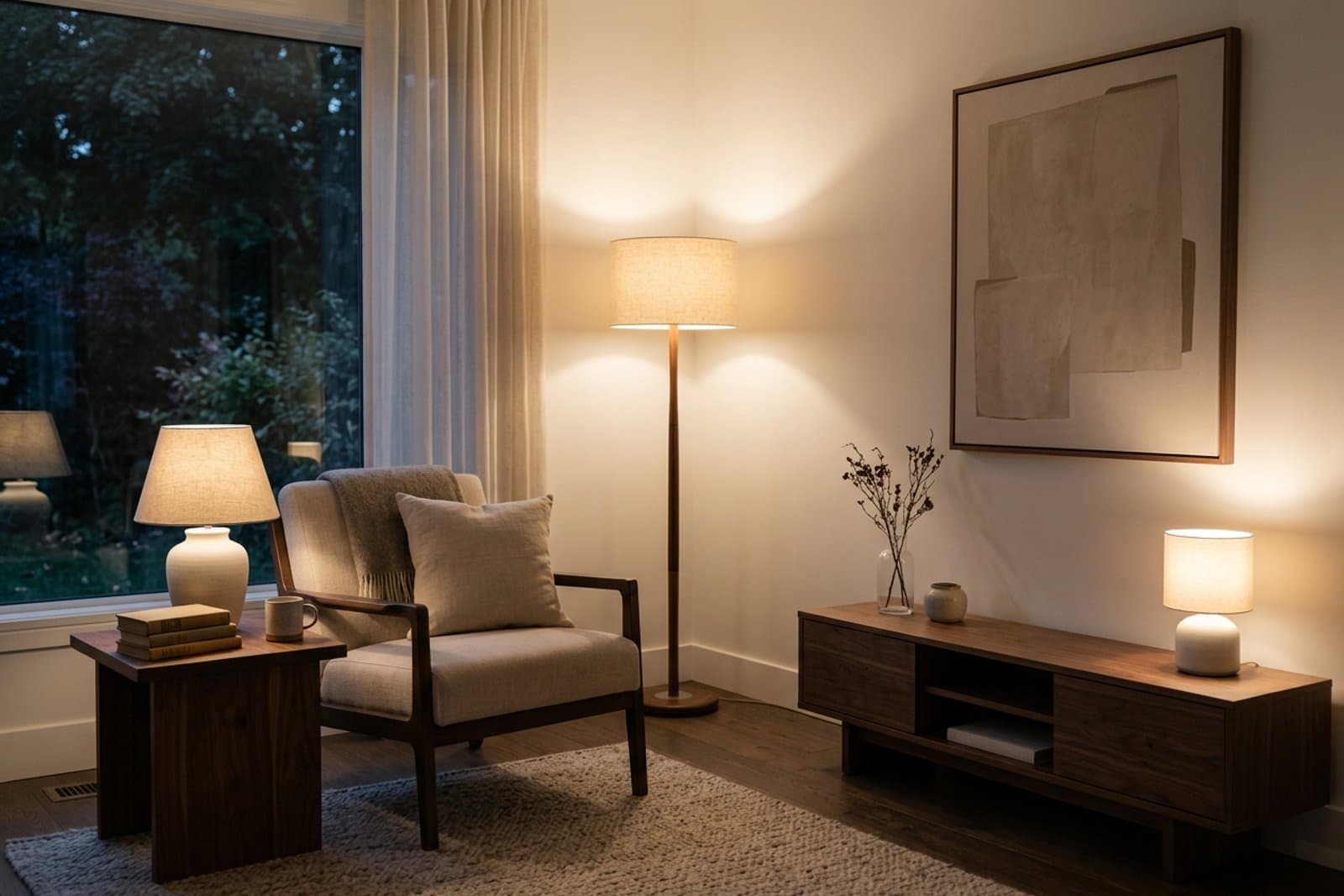
Where to Put Lamps in a Dark Room (3 Lamp Layout)
Where to put lamps in a dark room: one tall lamp in the darkest corner, one by the main seat, one low lamp on a shadow wall. See the three lamp layout.
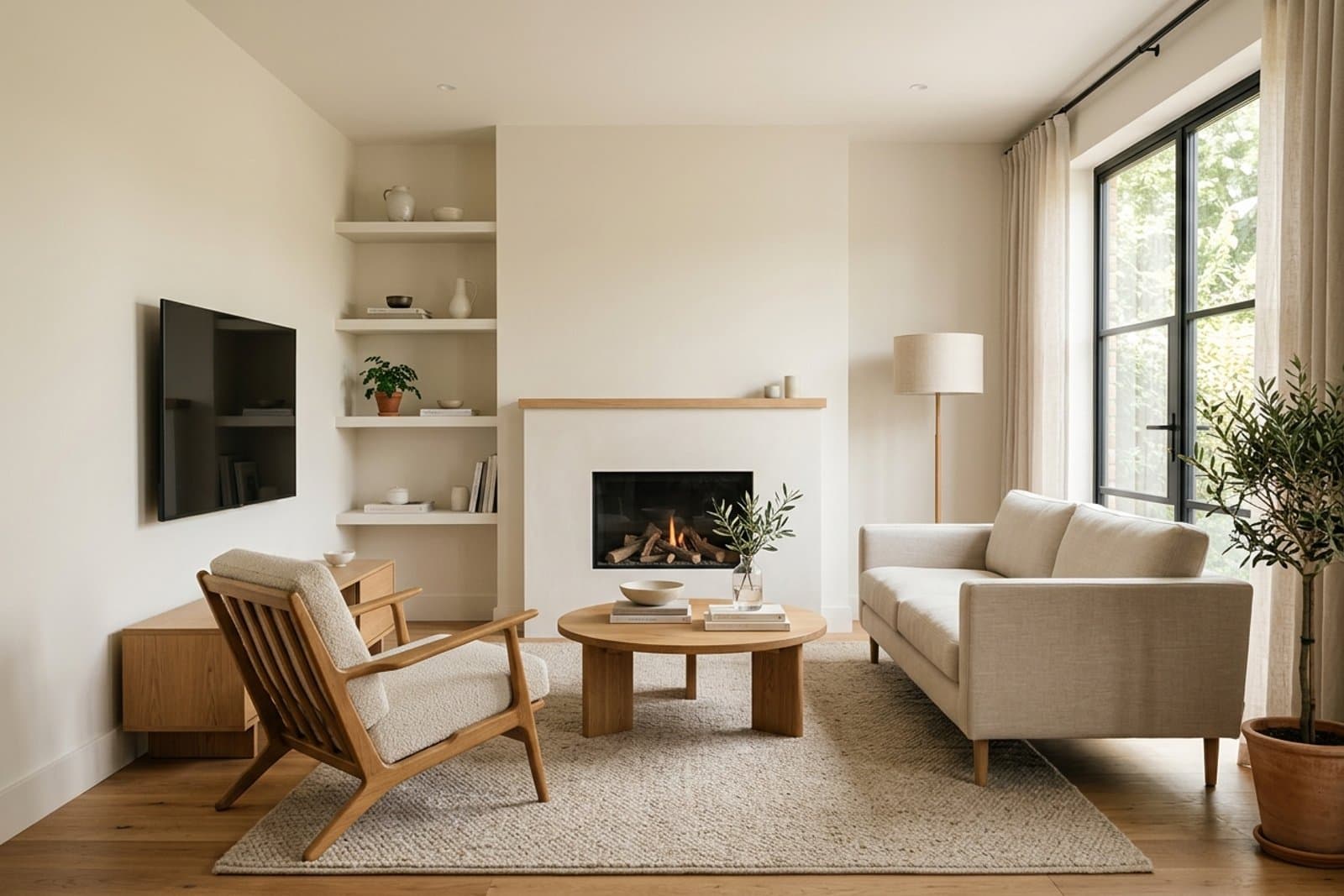
Small Living Room Layout With a TV and Fireplace (4 Setups)
Four wall setups decide a small living room layout with a TV and fireplace. See which one you have, the seating distance that fits, and when not to mount the TV.