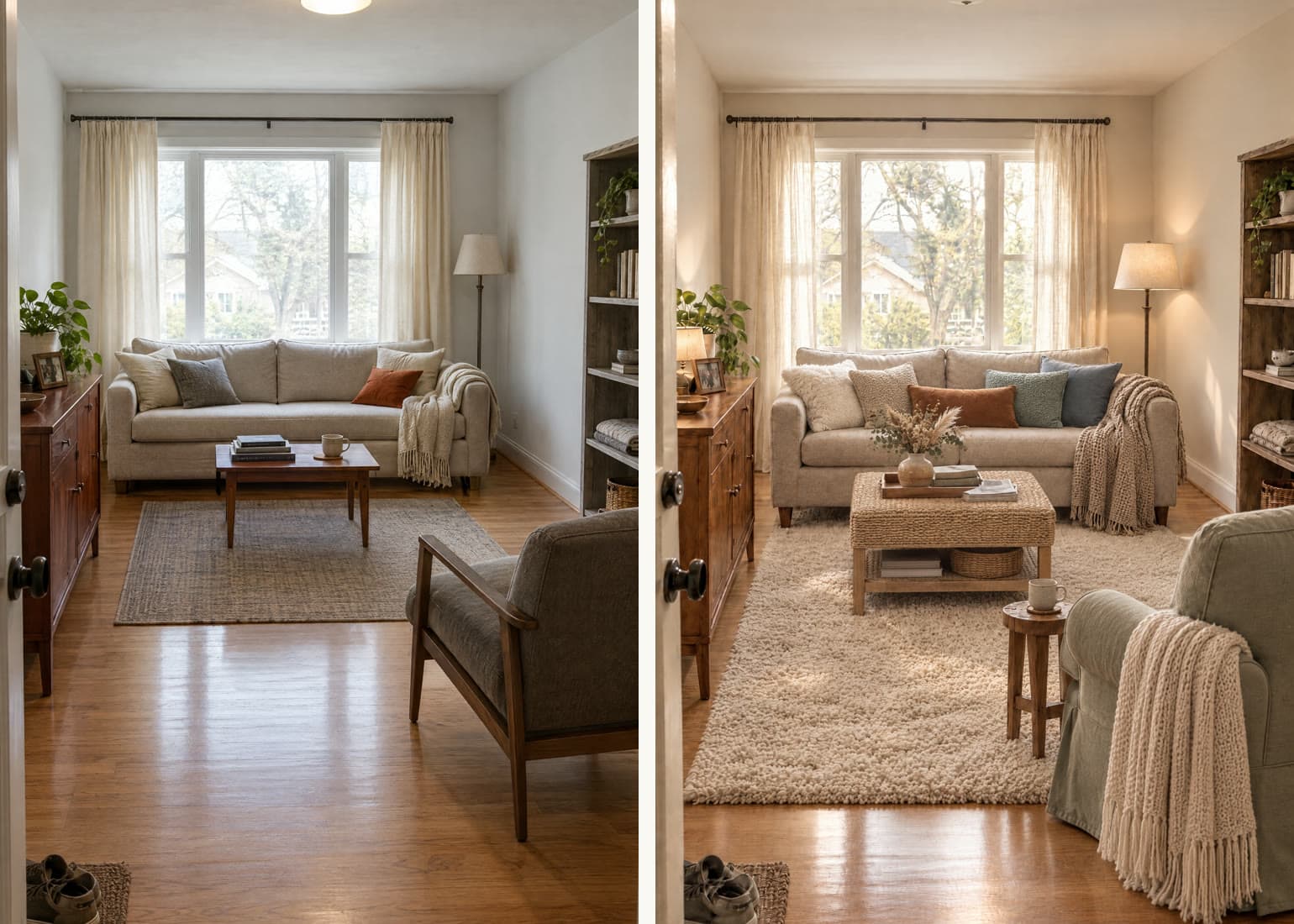
Why Does My Room Feel Off? A Designer's 3-Question Context Check
A room usually feels off when a choice doesn't fit its context. Use three designer questions about the people, the space, and the whole to find what's wrong.
The living room takes more competing demands than any other room: seating that works for two people and for eight, a television that has to be watchable without becoming the focal point, and circulation that survives all of it. These guides work through layout distances, seating geometry and lighting layers, with the measurements that decide whether a plan works before you move furniture.

A room usually feels off when a choice doesn't fit its context. Use three designer questions about the people, the space, and the whole to find what's wrong.

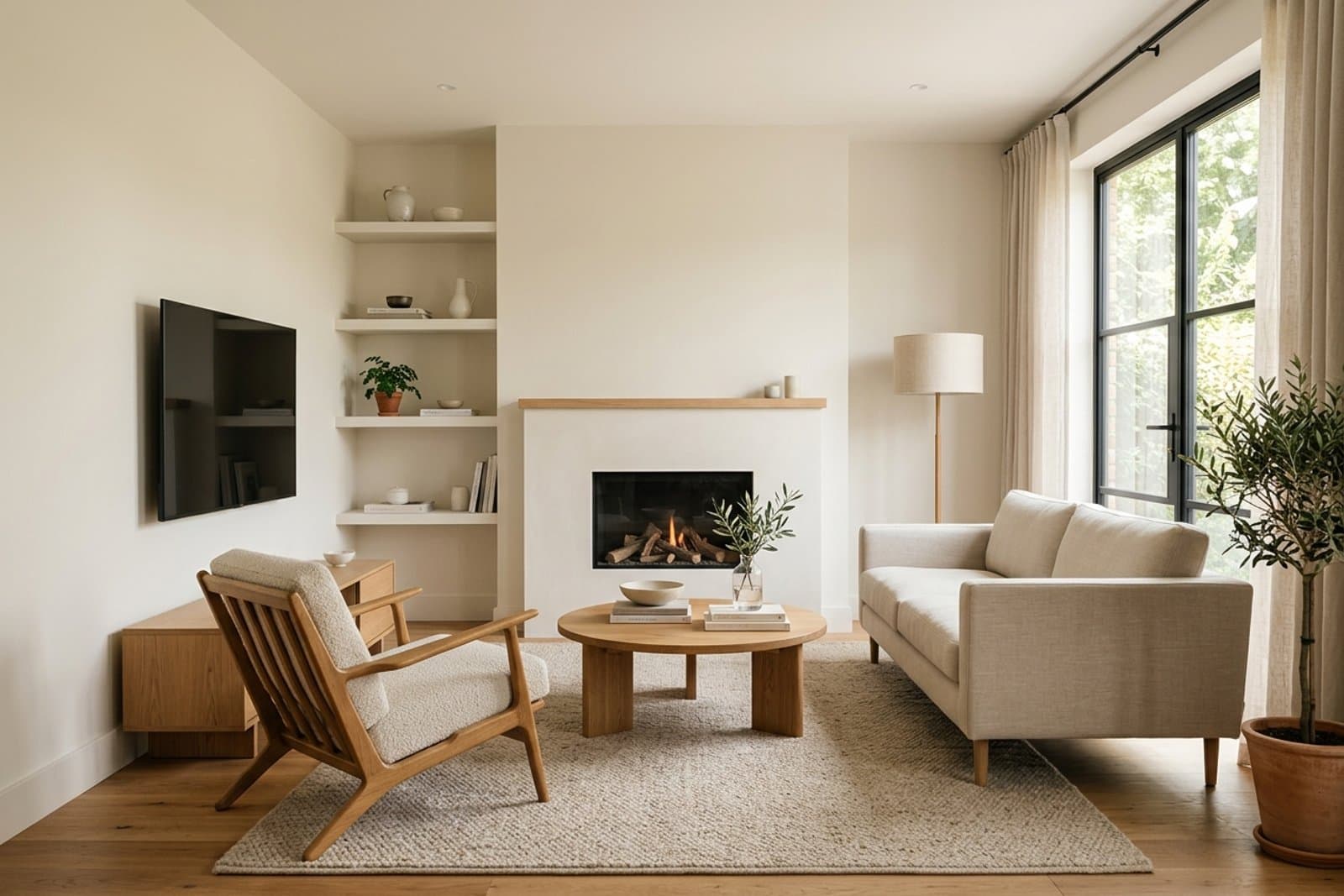
Four wall setups decide a small living room layout with a TV and fireplace. See which one you have, the seating distance that fits, and when not to mount the TV.

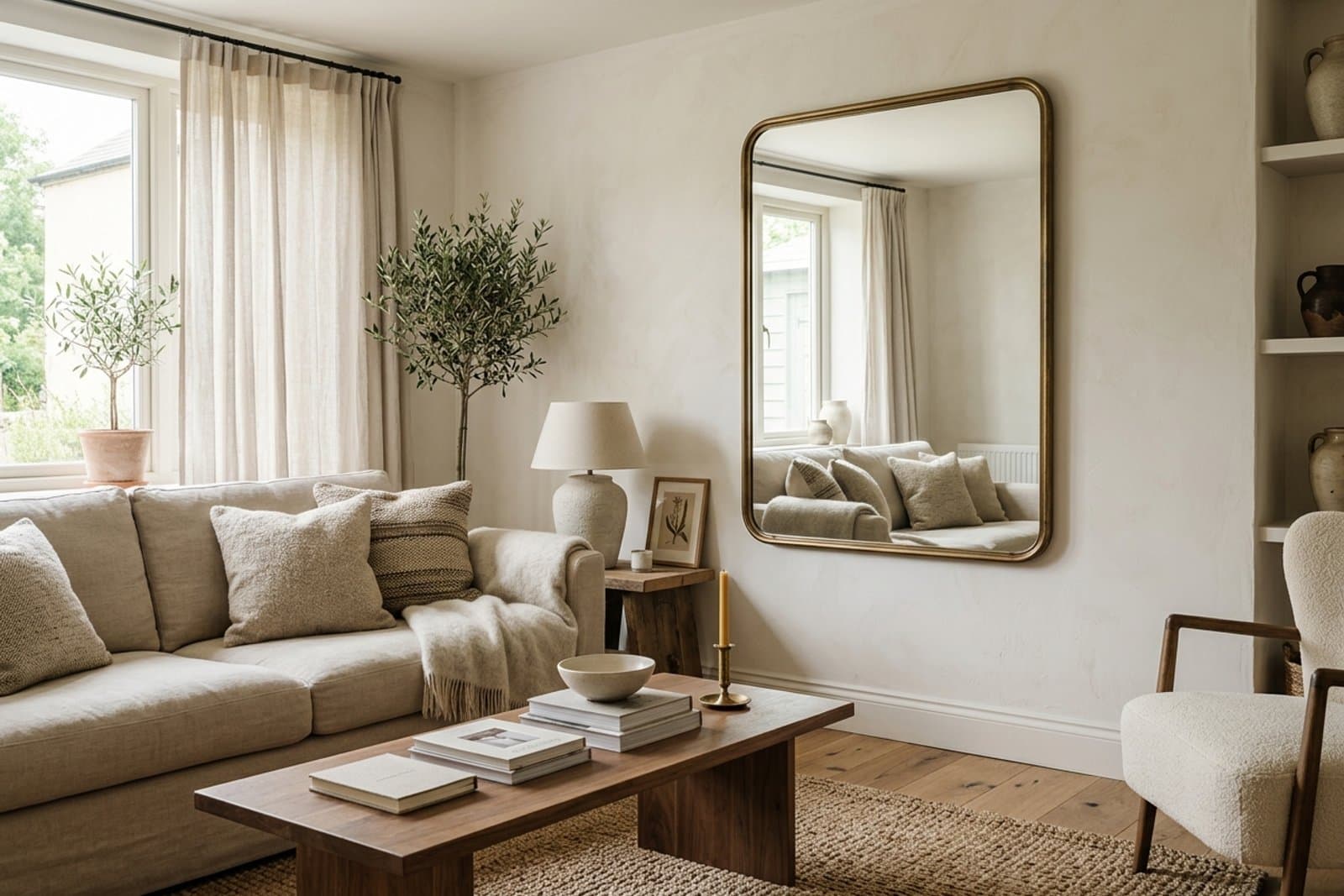
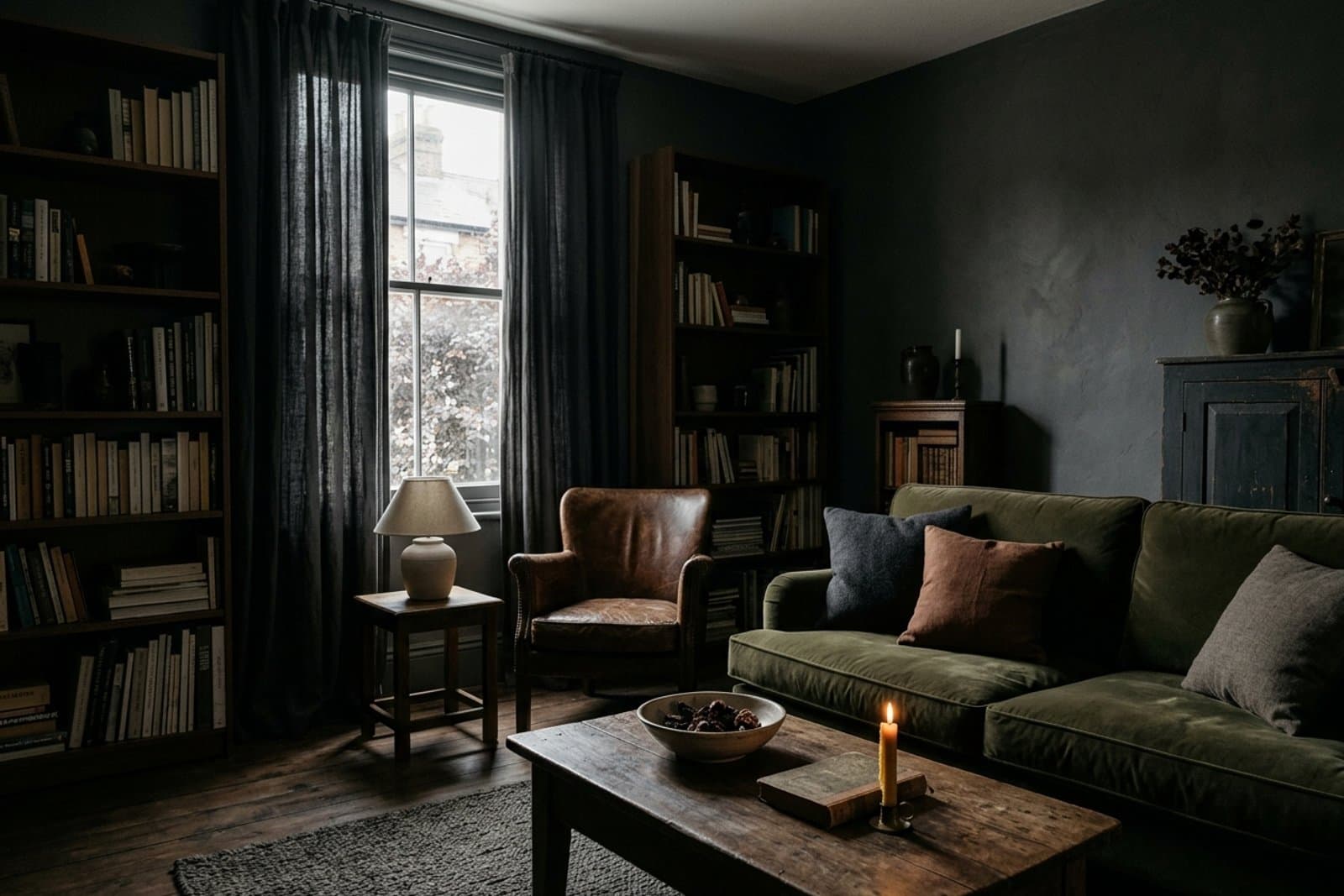
Where to put mirrors in a dark room: aim them at a window, pale wall, or lamp to bounce light. See the safest spot before you buy another fixture.

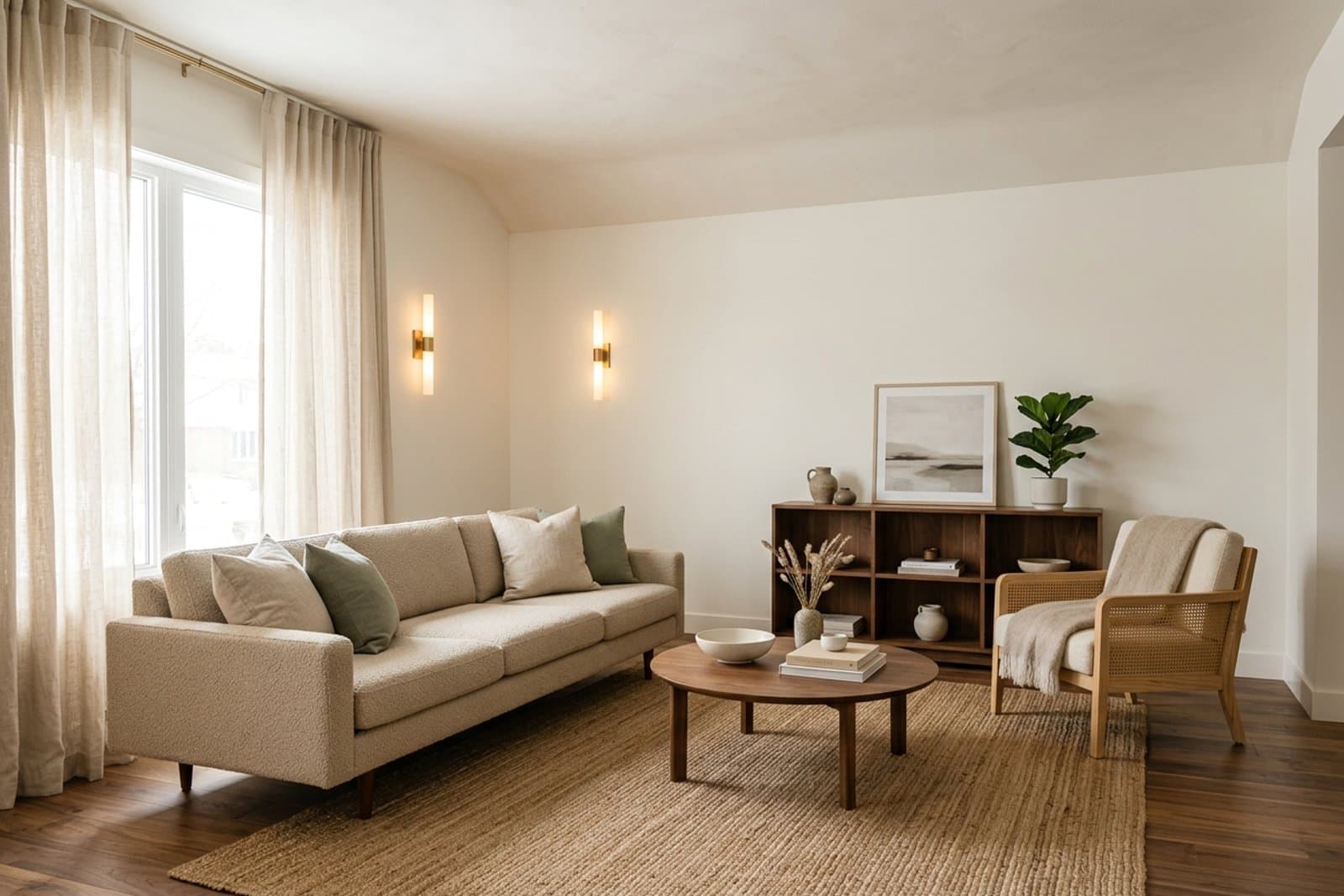
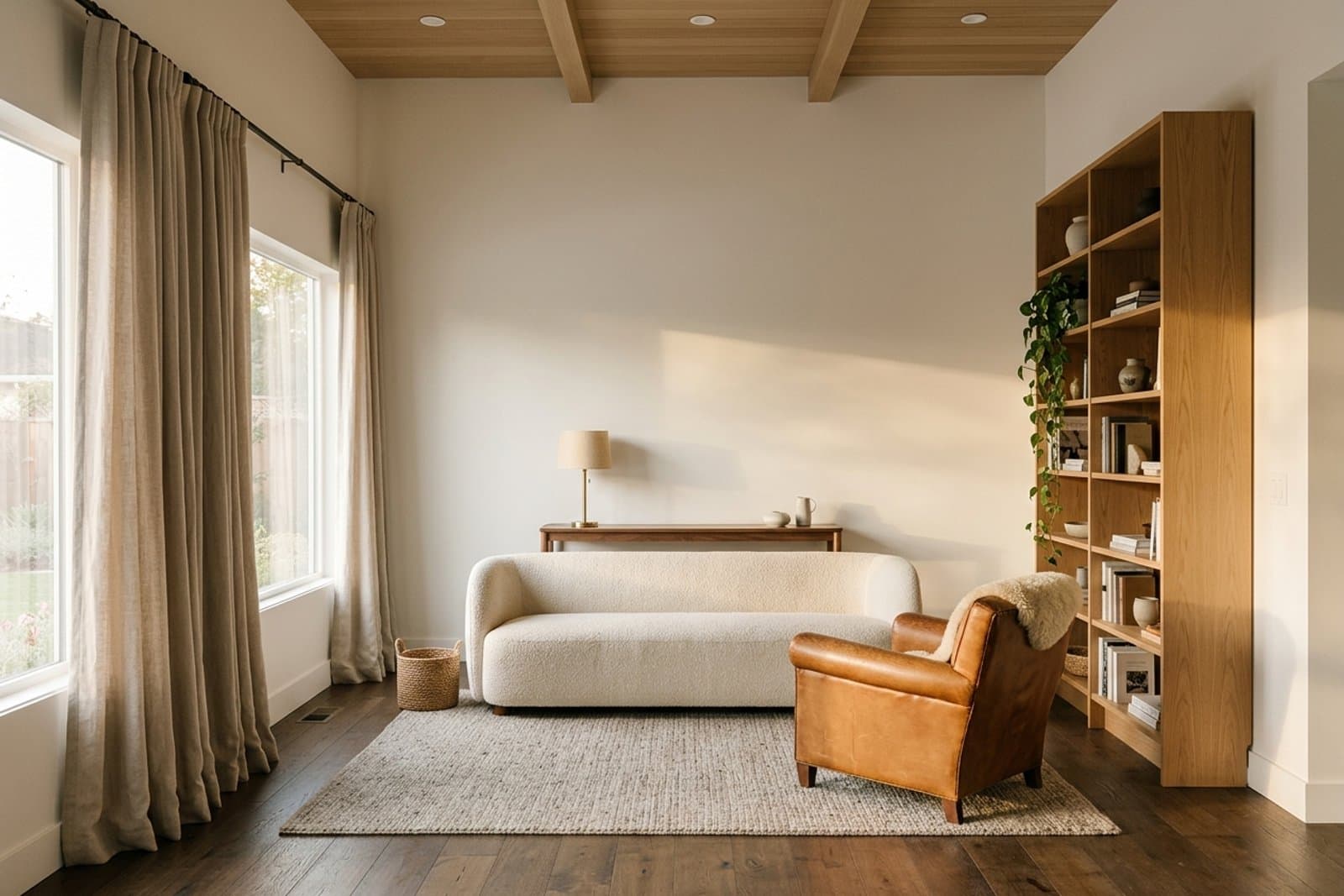
A low ceiling room feels taller when the eye has fewer horizontal stops. Hang curtains high, keep furniture low, and light the walls before you renovate.

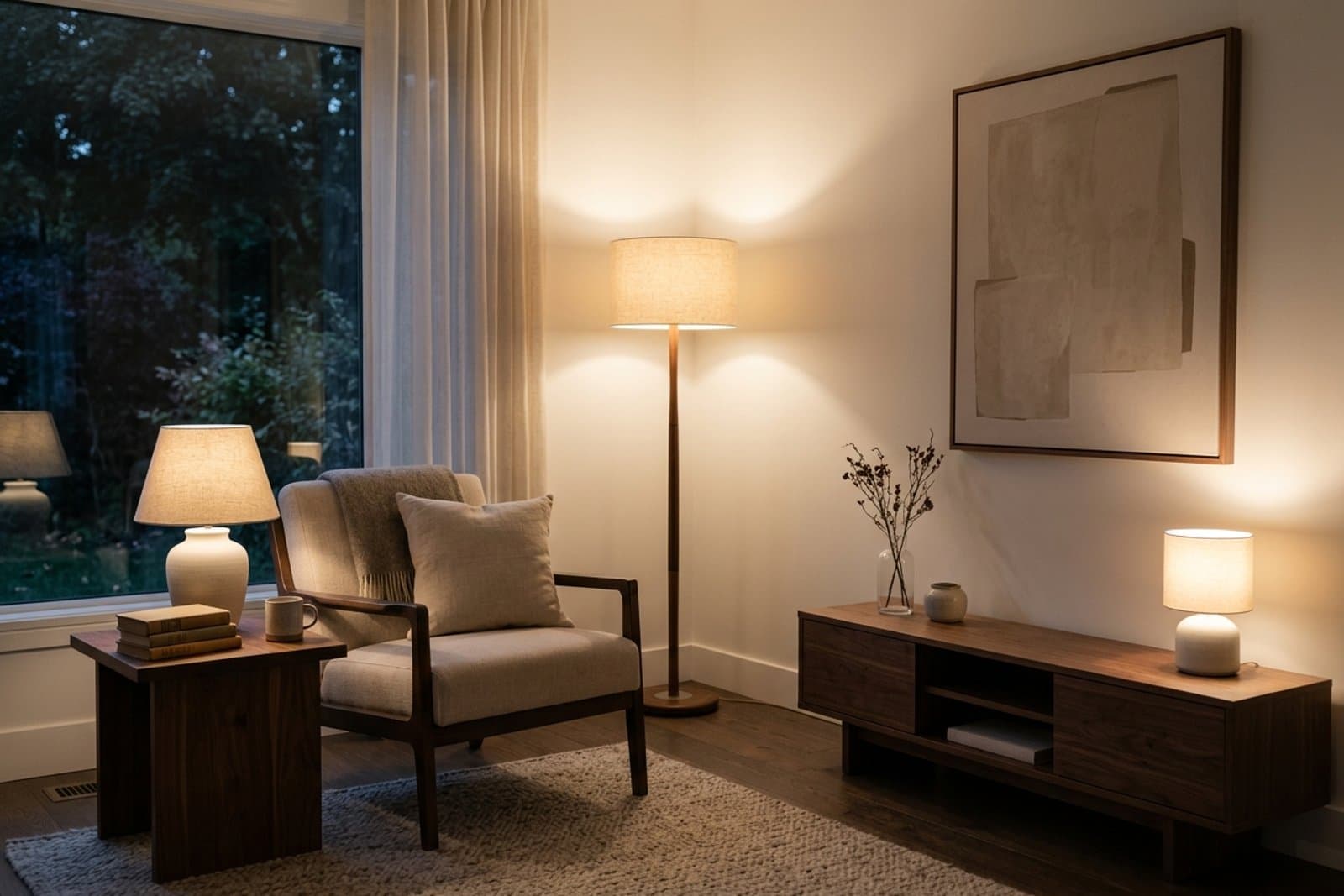
Where to put lamps in a dark room: one tall lamp in the darkest corner, one by the main seat, one low lamp on a shadow wall. See the three lamp layout.

Why does my room feel dark? It is losing light at 4 points. Find your leak with a two photo test, then start with the free fix: the window.

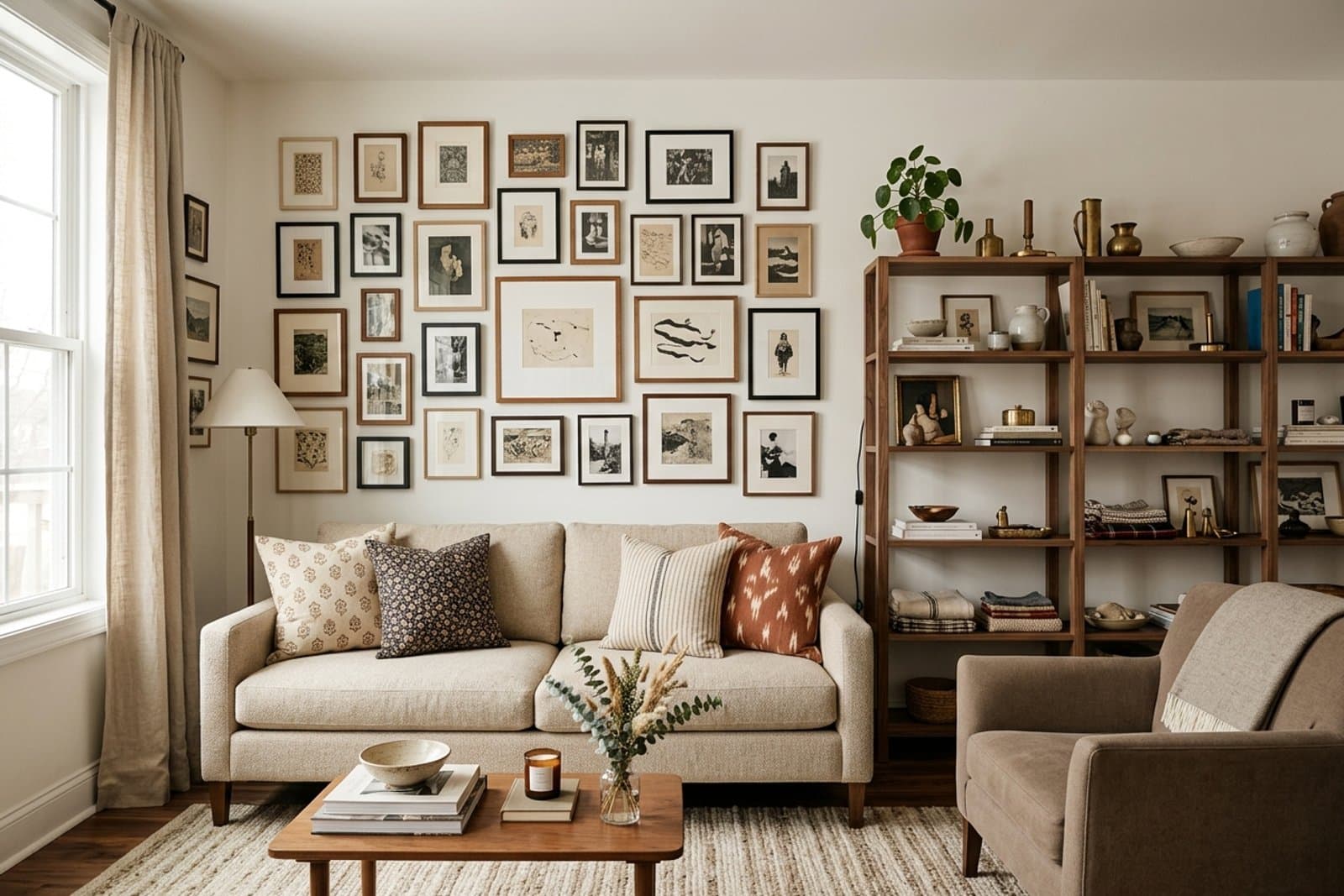
Your room is clean but still feels cluttered because tidy fixes mess while calm lowers visual load. Four moves quiet the room, plus the light and the seating.

Your room feels flat because everything sits below three feet. Four fixes push the eye up: raise the sight line, float the sofa, layer the light, add depth.
The 7 living room layout mistakes that make a space feel off. Get the fix for each: exact clearances, rug sizes, and a quick doorway test.