Why Does My Room Feel Off? A Designer's 3-Question Context Check
A room usually feels off when a choice doesn't fit its context. Use three designer questions about the people, the space, and the whole to find what's wrong.
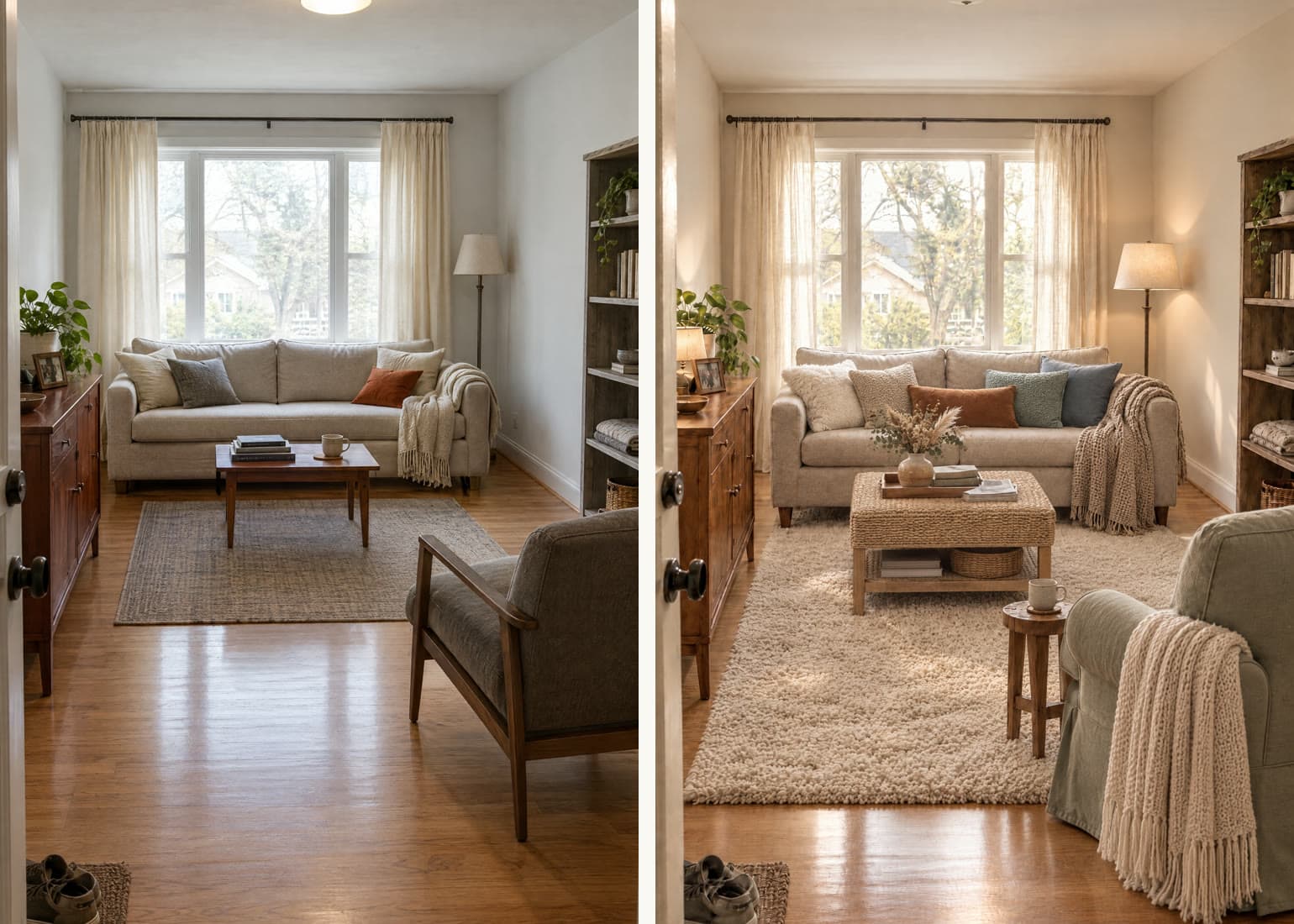
Short answer: A room usually feels off when one or more choices don't fit their context. The sofa might be beautiful, the paint color might be one you love, and the room still won't feel right if those choices don't fit the people who live there, the space itself, or the rest of the home. You can find the problem by asking three questions: Does it fit the people? Does it fit the space? Does it fit the whole?
You probably already know what you like. You've saved the photos, you've noticed rooms that feel calm, and you can tell when something in your own home isn't working. What's harder is naming why. That's where a designer's way of looking helps. If you already know the symptom, our guides to a room that feels dark, cramped, or cluttered even when clean go deeper on each one.
Why does my room feel off?
It's rarely one bad object. More often, a good object is in the wrong context.
After about 25 years and more than 500 projects as an interior architect, the founder of Studio Did It puts it simply:
"The secret is context. How every choice fits the people, the space and the whole."
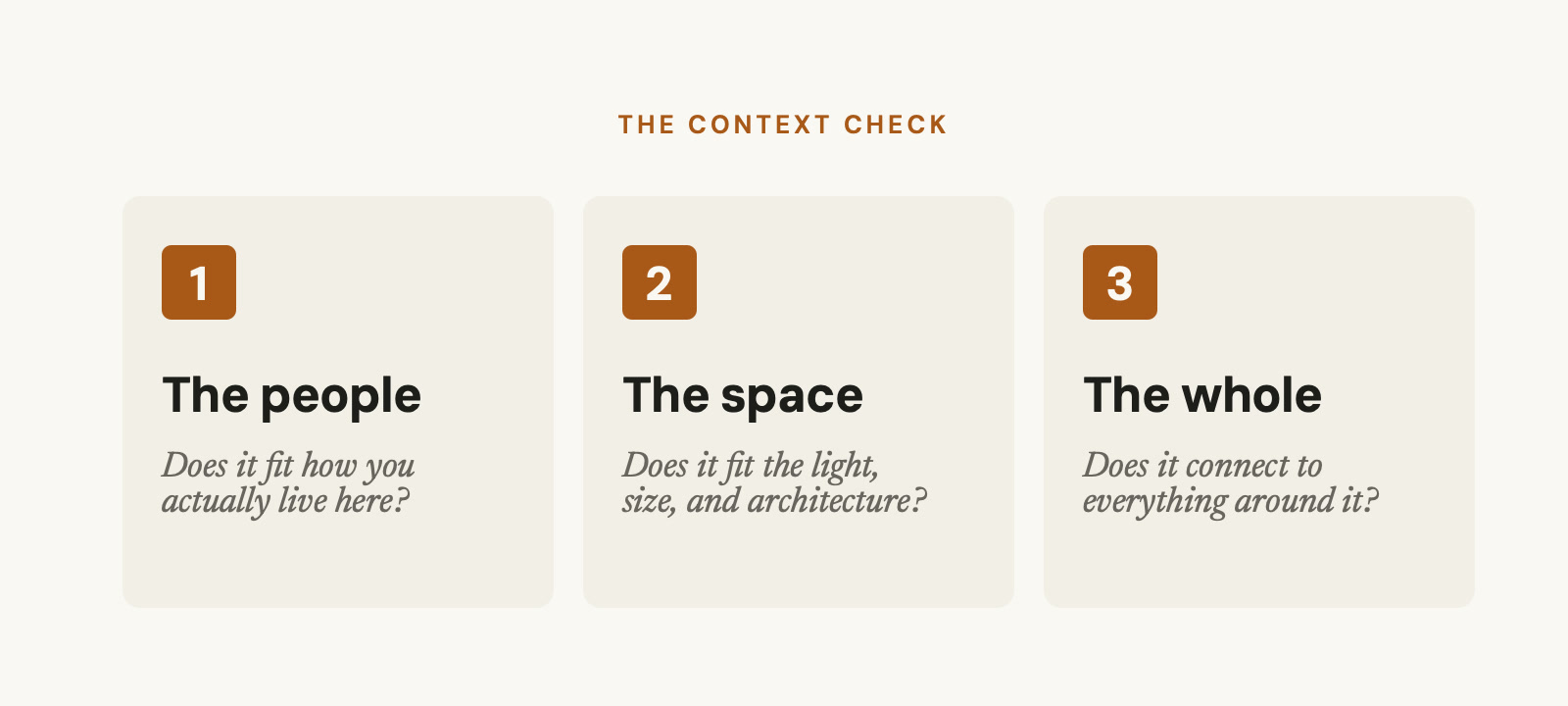
That sentence is a checklist in disguise. Each part points to a different reason a room can feel wrong, and each one has questions you can answer today, standing in your own room.
1. Does it fit the people?
A room is for the people who use it, not for the photo of it.
Ask:
- Who uses this room, and when? A living room used for movies at night needs different light and seating than one used for reading in the morning.
- Where do people actually sit, set things down, and walk? If everyone ends up on the same corner of the sofa, or a side table sits where no one can reach it, the layout is working against the way you live.
- What does this room need to do that it isn't doing? Sometimes the "off" feeling is simply a missing function: no place for a drink, no lamp near the reading chair, no spot for shoes by the door.
If a choice looks right but doesn't fit how you live, you'll feel it every day.
2. Does it fit the space?
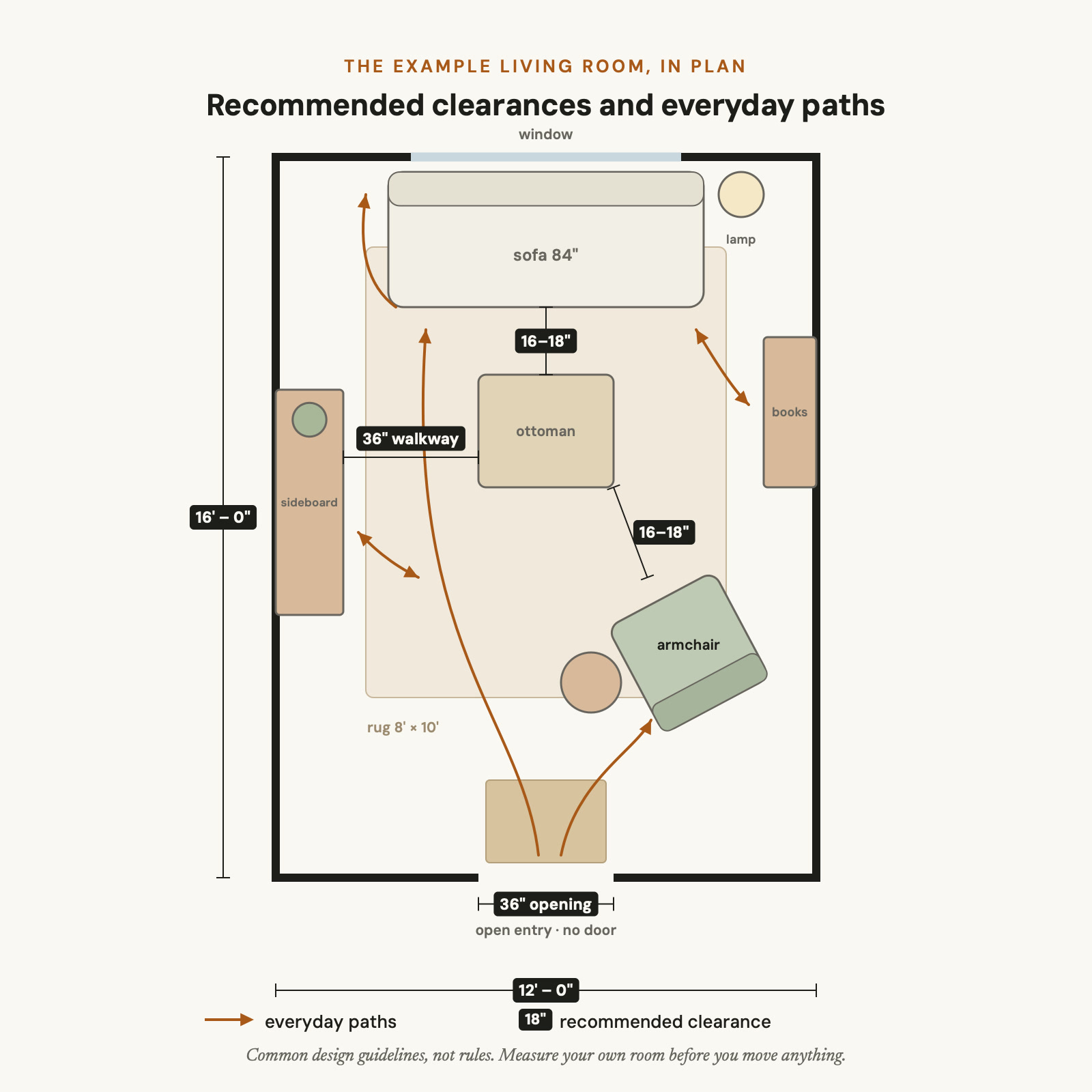
Every room comes with its own conditions: where the light comes from, how big it is, and what the architecture is already doing.
Ask:
- Light: Where does daylight enter, and how does it change through the day? Does the room rely on one overhead light? Light at different heights, from lamps and sconces, often makes a space feel more balanced than a single fixture.
- Scale: Do the pieces fit the room and each other? A sofa that's too large can crowd a small room, and a rug that's too small can make furniture look like it's floating.
- Architecture: What do the windows, ceiling height, flooring, and existing finishes ask for? Fighting the room's bones usually feels off, even when each piece is lovely.
3. Does it fit the whole?
This is the question people skip most often, and it's usually the one that matters.
How do I make a room feel cohesive?
A room feels cohesive when its choices relate to each other and to the rest of the home.
Ask:
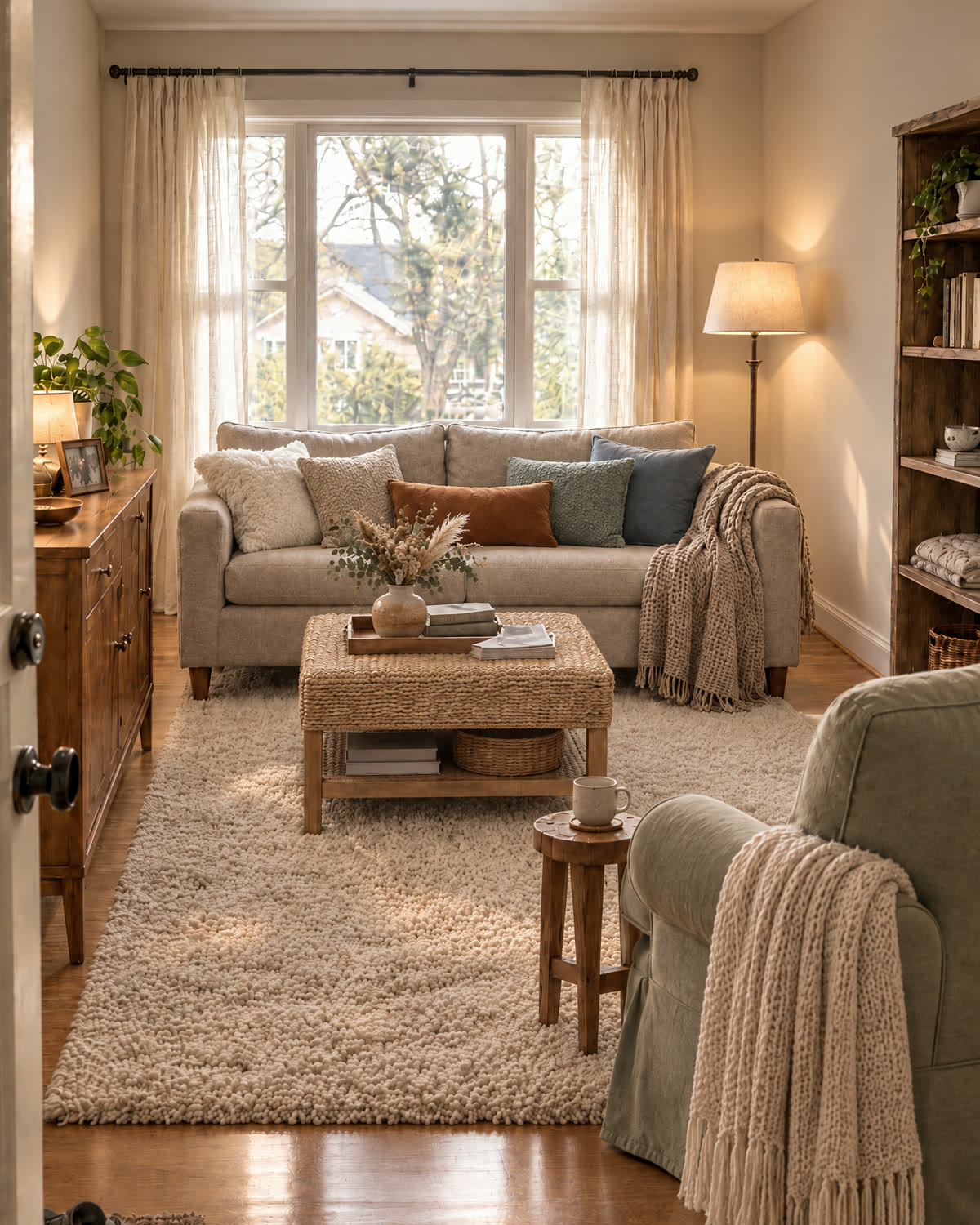
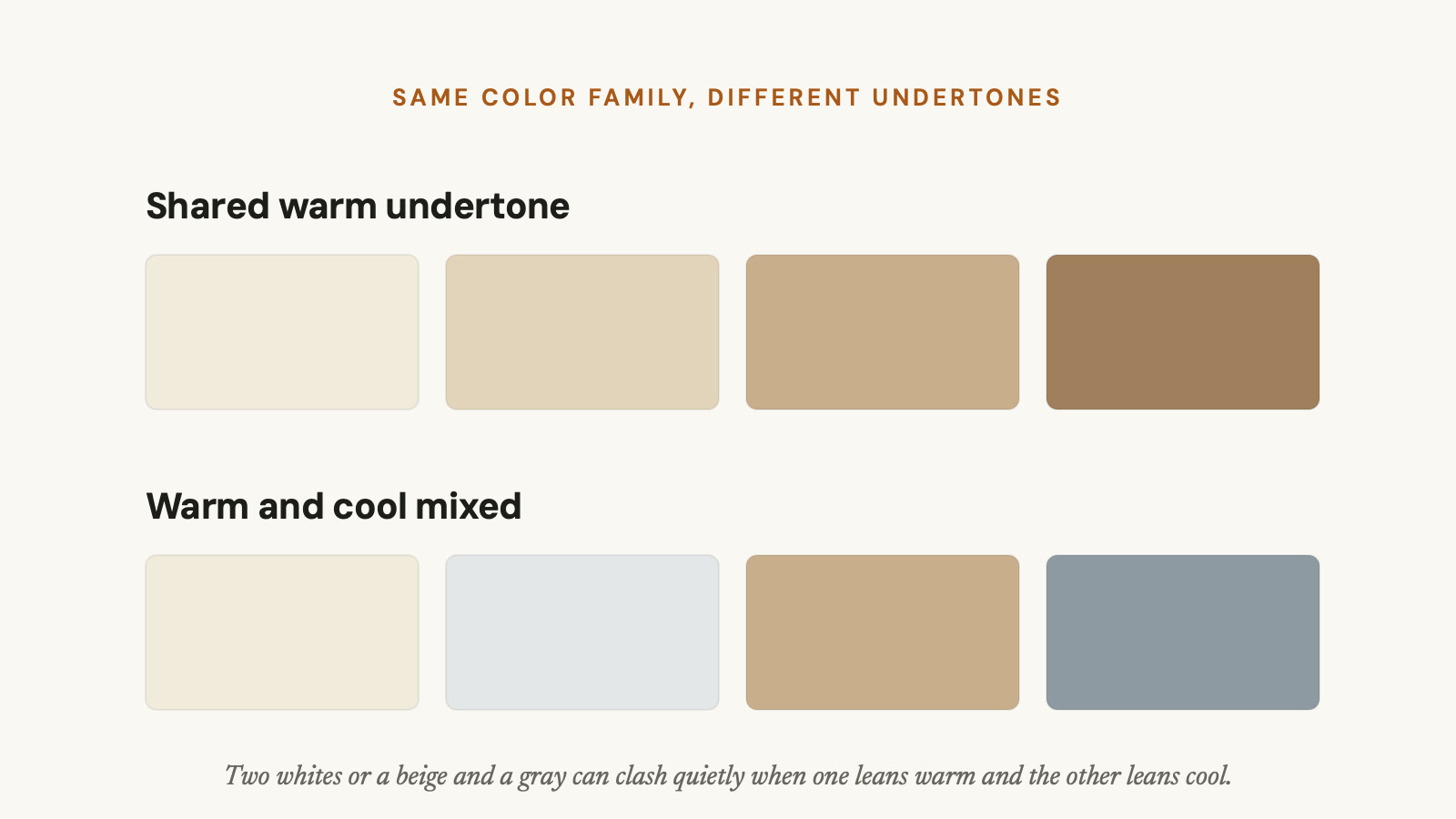
- Do the colors share an undertone? Two whites, or a beige and a gray, can clash quietly if one leans warm and the other leans cool.
- Do materials repeat? A wood tone, a metal finish, or a texture that appears more than once ties a room together.
- What do you see from the next room? Stand in the doorway or hallway. If each room looks like it belongs to a different house, the whole home will feel unsettled.
A 10-minute context check
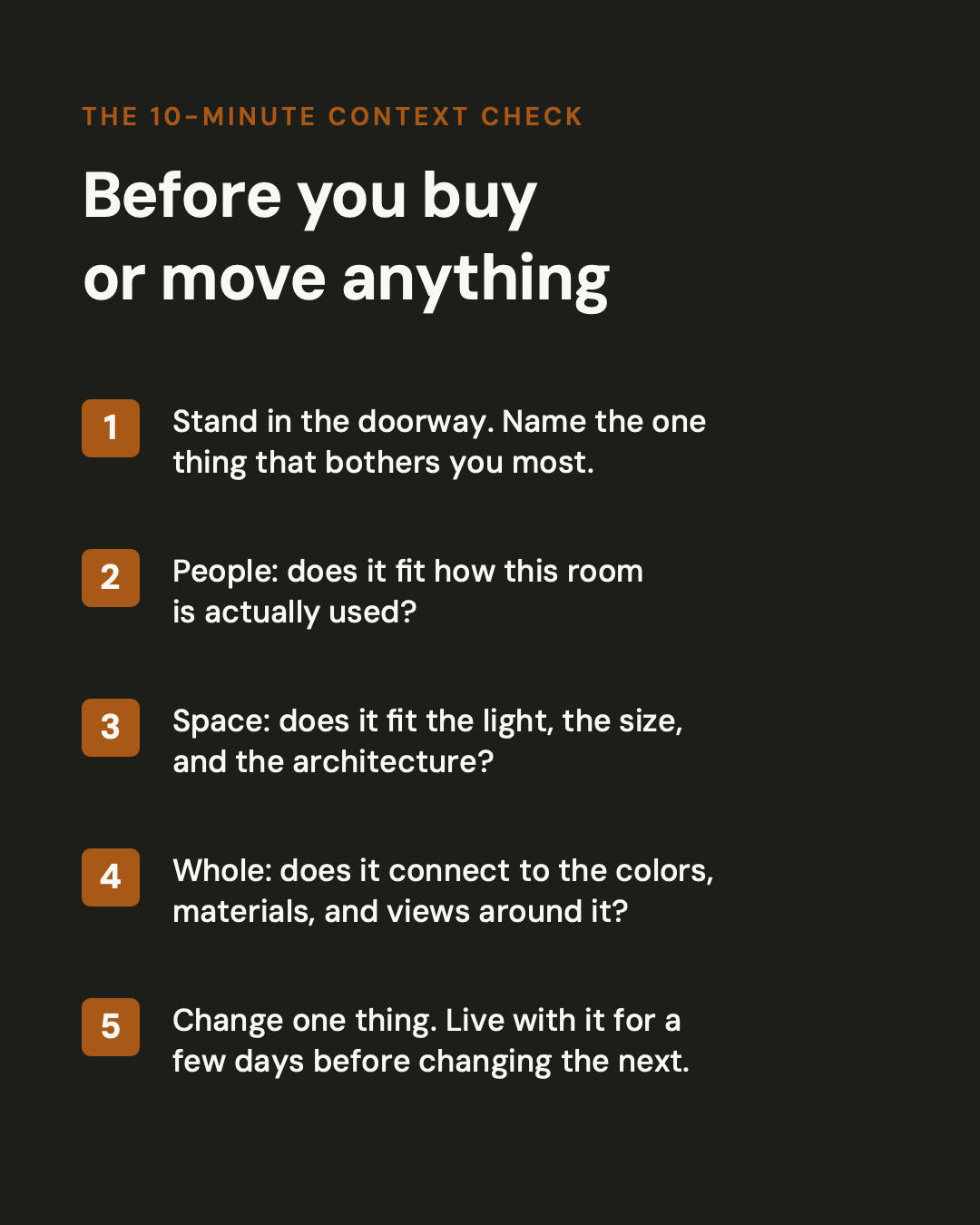
Try this before you buy or move anything:
- Stand in the doorway and name the one thing that bothers you most.
- Ask the people questions. Does it fit how this room is actually used?
- Ask the space questions. Does it fit the light, the size, and the architecture?
- Ask the whole questions. Does it connect to the colors, materials, and views around it?
- Change one thing, then live with it for a few days before changing the next.
Most "off" rooms don't need a renovation. They need one or two choices brought back into context.
Why doesn't my house feel like home?
A new home can feel like someone else's for a while, even when it's full of your things. Often the furniture came from a different space with different light, a different size, and a different routine. The same three questions apply. Start with the people: set up the room around how you actually live now, then adjust for the space, and finally connect it to the whole.
When to ask for help
If you've gone through the questions and still can't name the problem, that's normal. It can be hard to see context from inside your own home.
A free one minute Space Identity quiz from Studio Did It can give you a starting direction based on how you live.
Frequently Asked Questions
Why does my room feel off even though I like everything in it?
Because liking each piece isn't the same as each piece fitting its context. A room can be full of things you love and still feel unsettled if they don't fit the way you live, the space, or each other.
How do I make a room feel cohesive?
Look for shared undertones in your colors, repeat a few materials or finishes, and check how the room looks from the spaces around it.
Why doesn't my new house feel like home?
Your furniture and habits were set up for a different space. Rearrange around how you live now, then adjust for the new light and size.
Do I need to buy new furniture to fix a room that feels off?
Not usually. Moving, removing, or re-lighting what you already have often solves more than buying something new.
How do I find my interior design style?
Start with how you want to live and feel in your home, not with a style label. The context questions above are a good first step.
Good design doesn't begin with things. It begins with understanding.
Jihyun Lee is the founder of STUDIO DID IT and has spent more than 25 years designing residential and public interiors, from private homes to the National Library of Korea in Sejong.
The Noticer
For thoughtful people who notice spaces.
What did you notice?
Did something in this story make you see your own space differently?
Find your Space Identity
If you've gone through the three questions and still can't name the problem, a free one minute quiz from Studio Did It gives you a starting direction based on how you live.
Discover My Space IdentityAdvertisement. Archie is made by STUDIO DID IT, the studio that publishes Spatia.
Related Articles
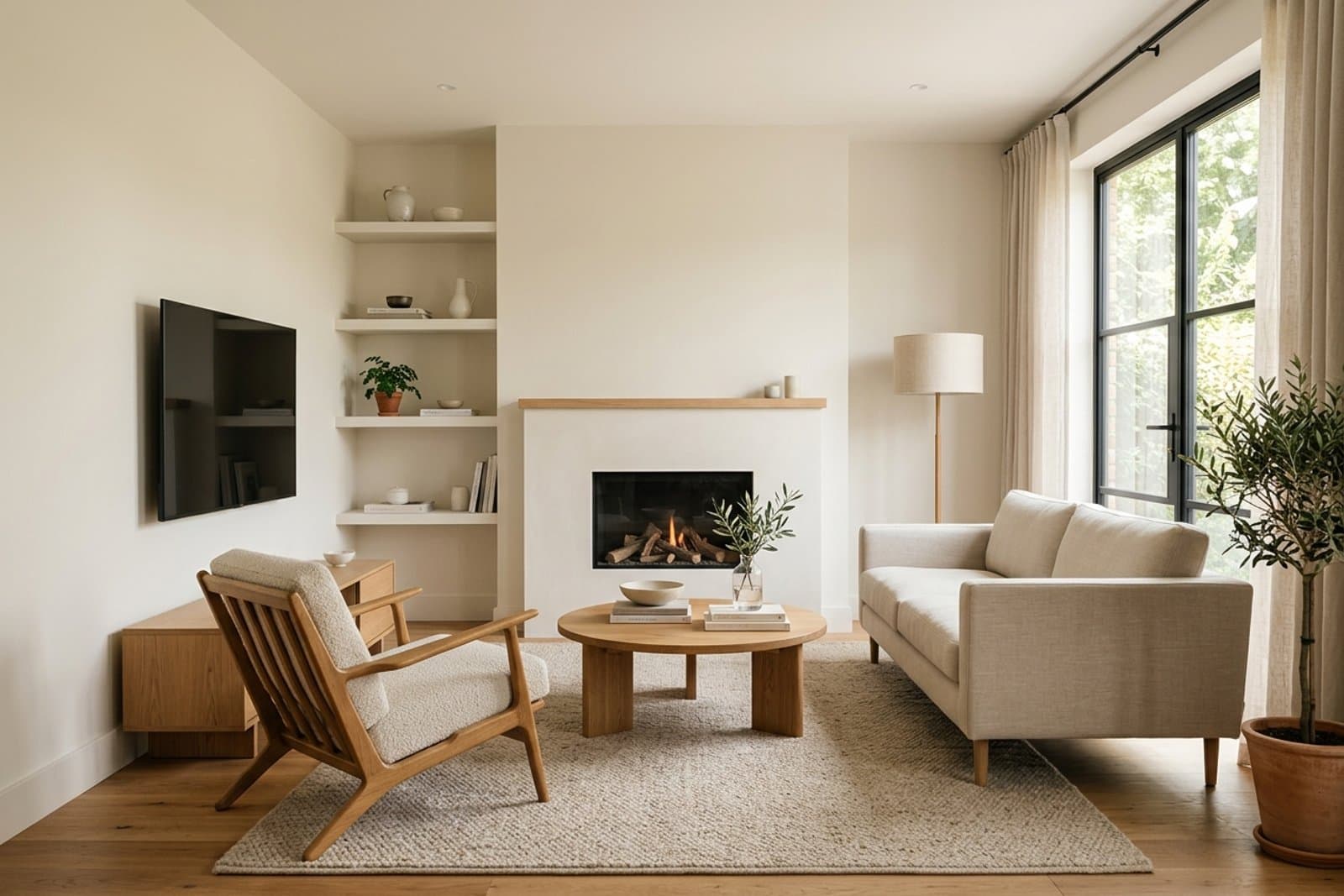
Small Living Room Layout With a TV and Fireplace (4 Setups)
Four wall setups decide a small living room layout with a TV and fireplace. See which one you have, the seating distance that fits, and when not to mount the TV.
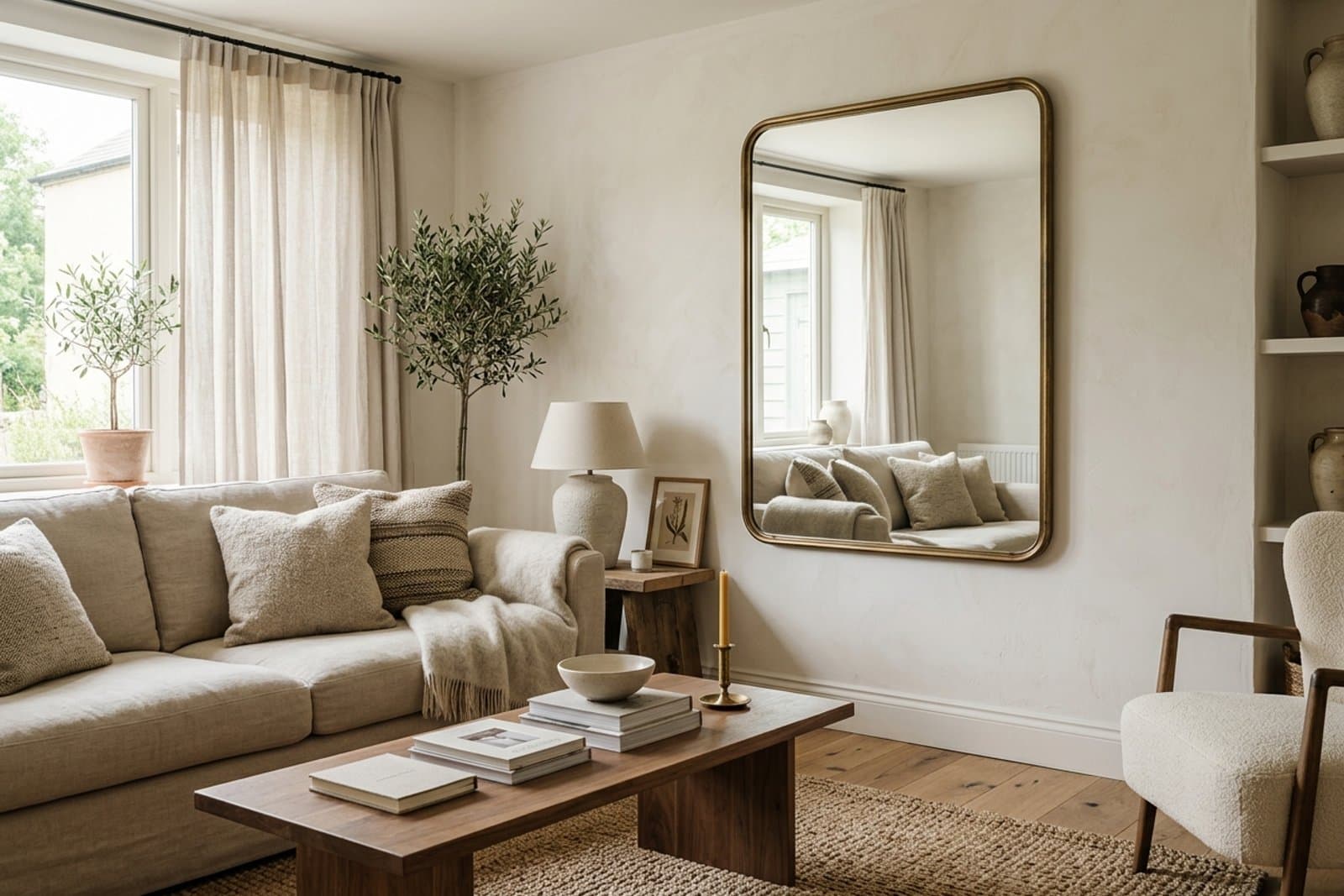
Where To Put Mirrors In A Dark Room
Where to put mirrors in a dark room: aim them at a window, pale wall, or lamp to bounce light. See the safest spot before you buy another fixture.
How to Make a Low Ceiling Room Feel Taller
A low ceiling room feels taller when the eye has fewer horizontal stops. Hang curtains high, keep furniture low, and light the walls before you renovate.