Japandi Style: The Timeless Trend That's Still Defining 2026
Japanese minimalism meets Scandinavian warmth. Here's how to bring Japandi style into your home with paint, texture, and editing, no full renovation.

Japandi is a hybrid interior style that blends Japanese minimalism with Scandinavian functionality, two traditions built on simplicity, natural materials, and craftsmanship. It pairs wabi-sabi, which design author Leonard Koren described in his 1994 book as "a beauty of things imperfect, impermanent, and incomplete," with hygge, the Scandinavian sense of warm everyday comfort. The result is a room that feels calm, warm, and intentional rather than bare.
This works for anyone who wants a minimalist home that still feels cozy, not a stark all white showroom. You can shift a room toward Japandi with paint, texture, and editing rather than a full renovation.
What is Japandi, exactly?
Japandi is the fusion of Japanese and Scandinavian design, two traditions that share a deep appreciation for simplicity, natural materials, and functional beauty. The name is a portmanteau of Japan and Scandi. Nobody invented it in a studio; the two philosophies had always had more in common than not, and the label caught up with them.
The two traditions grew from different climates. Scandinavian homes were shaped by long, dark winters, which is why they lean on warm light and soft textiles. Most of Japan has hot, humid summers, and the 14th century essayist Yoshida Kenko wrote that a house should be built with summer in mind, which is why traditional Japanese rooms stay open, airy, and lightly furnished. What the two share is a strong craft culture and small, spare rooms that each learned to make feel deliberate. Japanese design contributes low furniture, restraint, and respect for empty space. Scandinavian design contributes light woods, soft textiles, and a focus on everyday comfort. Where they overlap, clutter disappears and every object has to earn its place. That shared DNA is why a Japandi room reads as quiet and cohesive rather than like two styles competing. If you are still narrowing your taste, our guide to French country, rustic, and Scandinavian style is a good place to start.
| Element | Japanese roots | Scandinavian roots |
|---|---|---|
| Palette | Muted, earthy, ink accents | Warm whites and pale wood |
| Furniture | Low and spare | Functional and comfortable |
| Guiding idea | Wabi-sabi (imperfect beauty) | Hygge (cozy contentment) |
| Feeling | Quiet and disciplined | Warm and welcoming |
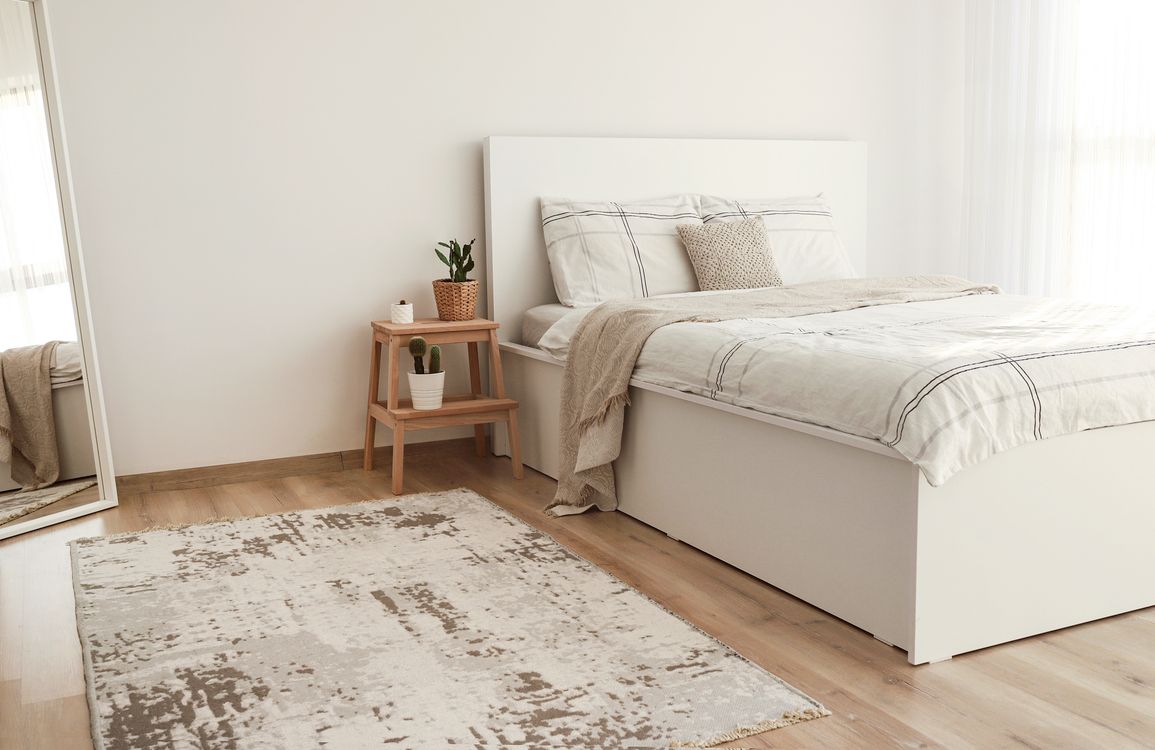
The core principles
Three ideas hold a Japandi room together, and they are what keep it feeling current even as other 2026 design trends come and go.
Wabi-sabi meets hygge
Japanese wabi-sabi celebrates the beauty of imperfection, a handmade ceramic with an uneven glaze, a wooden table with visible grain. Leonard Koren's 1994 book Wabi-Sabi for Artists, Designers, Poets and Philosophers, the source of the definition quoted at the top of this guide, is still a good first read on the idea. Scandinavian hygge, the idea Meik Wiking popularized in The Little Book of Hygge, focuses on coziness and everyday comfort. Together they create spaces that feel both intentional and lived in.
Function first, always
Neither Japanese nor Scandinavian design has patience for decorative clutter, the same restraint behind quiet luxury. Every piece in a Japandi room earns its place through usefulness. A beautiful bowl is also the bowl you eat from. A striking side table is also where your book lives.
Natural materials
Wood, stone, linen, cotton, clay. Japandi interiors rely heavily on materials you can touch and feel. The texture of a linen curtain or the grain of an oak shelf does the work that excessive decoration would do in other styles.
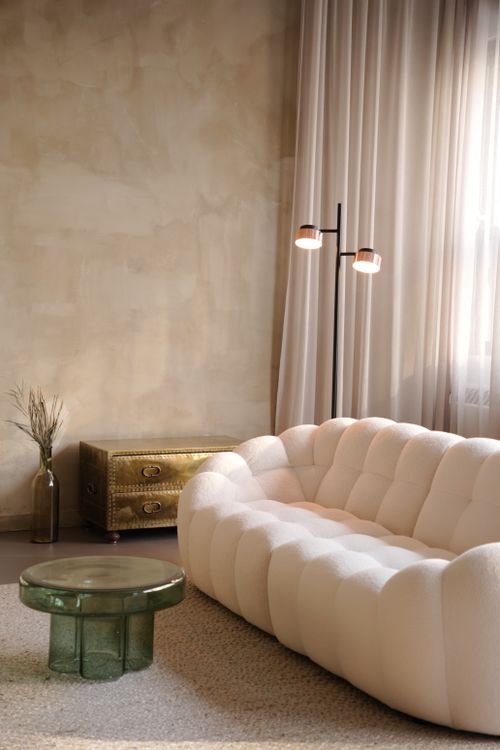
How do you create a Japandi space?
Five moves do almost all of the work: a muted neutral palette, low and functional furniture, protected negative space, a mix of Scandinavian wood and Japanese ceramics, and a little greenery. None of them requires a renovation, and in that order they take a room from cluttered to calm.
Start with a neutral palette
Think warm whites, soft grays, muted greens, and earthy browns. Anchor the walls with a warm off white such as Farrow & Ball Skimming Stone or Benjamin Moore Pale Oak, then follow a rough 60/30/10 split: about 60 percent neutral surfaces, 30 percent natural wood tones, and 10 percent for a darker grounding accent like charcoal or matte black. The key word is muted, nothing screams in a Japandi room. Add depth through texture rather than color contrast.
Choose low furniture
Japanese design favors low furniture that keeps sightlines open. A platform bed, a low coffee table, seating that doesn't tower over the room. This creates a sense of calm and spaciousness.
Embrace negative space
The most important element in a Japandi room is what's not there. Empty wall space isn't a problem to solve, it's a design choice that lets the eye rest. Resist the urge to fill every corner.
Mix craft traditions
A Scandinavian wooden chair next to a Japanese ceramic vase. A Danish wool throw on a low platform in Japanese style. The beauty of Japandi is in the dialogue between two craft traditions.
Add greenery thoughtfully
A single bonsai or a cluster of simple green plants. Not an Instagram jungle, just enough nature to bring life into the space. Japanese ikebana (flower arranging) principles work well here: less is more, and every stem has purpose.
What are the most common Japandi mistakes?
Palettes go cold, perfection creeps in, and everything ends up bought new in one weekend. Japandi should feel warm and human, so keep lighting soft (around 2700K), mix in handmade and vintage pieces, and leave room for comfort. A beautiful room you never want to sit in has missed the point.
- Going too cold: Japandi should feel warm and inviting, not like a showroom. Warm 2700K lighting and natural wood keep an all neutral room from feeling clinical.
- Overthinking it: The aesthetic is about authenticity, not perfection
- Buying everything new: Mix vintage and handmade pieces for character
- Forgetting comfort: A beautiful room you don't want to sit in has failed its purpose
Why I ask clients to write one sentence before we shop
Japandi is a useful shorthand, and a shorthand is not a concept. When a client tells me they want Japandi, I ask them to write one sentence about their own life in the room before we discuss a single object: where they sit when the apartment finally goes quiet, what they want to stop hearing, which hour of light they love. A style name borrowed from two other cultures cannot answer those questions; only you can. The rooms that hold up are the ones where the label was a starting vocabulary and the concept was personal. I think of a home as a self portrait. Japandi can supply the grammar, but the sentence should be yours.
Why Japandi endures
Japandi keeps resonating because neither source tradition was trend driven to begin with. Both were practical answers to their climates (dark northern winters on one side, humid Japanese summers on the other), small rooms, and materials that cost enough to be used carefully, so the advice survives whatever palette a given year favors. Treat the rules loosely and aim for a room that feels calm, useful, and genuinely yours.
Frequently asked questions
What is the difference between Japandi and minimalism?
Minimalism focuses on having as little as possible. Japandi focuses on having the right things. A Japandi room feels warm and lived in with carefully chosen natural materials, while strict minimalism can feel cold and empty. Japandi embraces imperfection (wabi-sabi), minimalism typically doesn't.
What is the difference between Japandi and wabi-sabi?
Wabi-sabi is a Japanese philosophy that finds beauty in imperfection and age. Japandi is a broader interior style that borrows wabi-sabi and pairs it with Scandinavian function and warmth. In short, wabi-sabi is one of the ideas inside Japandi, not a competing look. A Japandi room might show wabi-sabi in a handmade mug or raw wood grain, then balance it with cozy hygge textiles.
Can I create a Japandi room on a budget?
Yes. Start with what you have, declutter first, then add a few key natural materials. A linen throw, a ceramic vase, a simple plant. Thrift stores are great sources for handmade or vintage pieces that fit the Japandi aesthetic perfectly. You don't need expensive furniture to achieve the look.
What colors work best for Japandi interiors?
Warm neutrals: soft whites, light grays, muted greens, sand tones, and earthy browns. The key is muted, nothing bright or saturated. Add depth through texture rather than color contrast. A Japandi palette should feel like a quiet walk through a forest.
Is Japandi still trending in 2026?
Yes, and it's evolving beyond a trend into a lasting design philosophy. Its appeal is rooted in timeless values, simplicity, craftsmanship, and natural materials, rather than seasonal aesthetics. The specific expressions may shift, but the core principles continue to resonate.
The Noticer
For thoughtful people who notice spaces.
What did you notice?
Did something in this story make you see your own space differently?
Want to try this in your own space?
Upload a photo of your room and let Archie, our AI design assistant, show you personalized recommendations.
Try Archie FreeAdvertisement. Archie is made by STUDIO DID IT, the studio that publishes Spatia.
Related Articles

Scandinavian Interior Design: Why It Still Dominates Modern Homes
Scandinavian interior design endures not because it is trendy, but because it solves real problems: poor light, clutter, and how people actually live.

2026 Interior Design Trends: 8 Shifts That Define the Year
The 2026 interior design trends that matter: hidden design, texture over color, organic shapes, lighting as art, personal narrative, mix and match, value materials, and smart home as standard.
French Country, Rustic, or Scandinavian? A Quick Guide to Popular Interior Styles Right Now
A clear comparison of French country, rustic, and Scandinavian interior styles: what defines each, how they differ, and how to tell which one fits you.