How to Cool a Top Floor Apartment Without AC (9 Renter Safe Fixes)
How to cool a top floor apartment without AC: 9 renter safe fixes that work the ceiling heat, the trapped air layer, and a night flush routine.
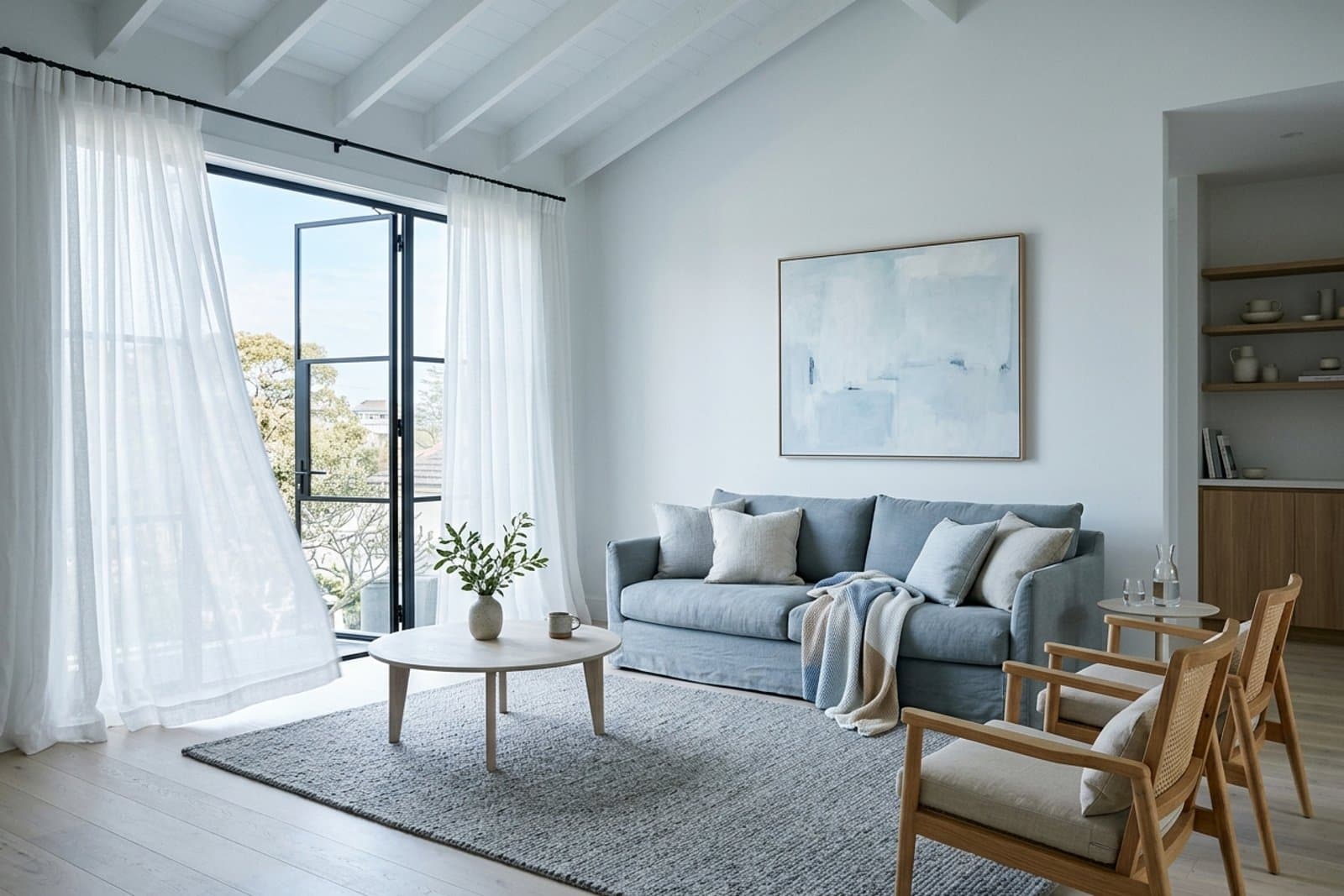
To cool a top floor apartment without AC, work the ceiling heat, not just the windows. Seal every pane before late morning, keep a fan breaking up the hot air layer overhead, then flush the unit hard after sunset once outdoor air turns cooler. The roof cavity above you can hit 120 degrees on a 90 degree afternoon and radiate it down all night, so these nine renter safe fixes are ordered roughly by impact rather than by effort.
This list is for renters on the top floor who cannot touch the roof, the insulation, or the window frames. If your heat comes mainly from one sunny window rather than the ceiling, our guide to cooling a west or south facing room without AC fits your room better, and it explains the physics behind everything below.
Why is a top floor apartment so much hotter?
A top floor apartment runs 10 to 15 degrees hotter than a ground floor unit in the same building, and the reason is above your head. The roof absorbs direct sun all day, and the attic or roof cavity under it can reach 120 degrees on a 90 degree afternoon. That heat presses down through the ceiling long after sunset, which is why a top floor unit stays hot at midnight while the street outside has cooled. Rising warm air from every apartment below adds to the load, collecting under your ceiling with nowhere left to go. Sun through the windows still matters, but it is the smaller half of the problem. That changes the strategy: window tricks alone will not fix a top floor unit. You have to work the ceiling heat, the trapped air layer, and the night flush together.
1. Seal every window before the sun arrives
In a lower unit you can get away with closing only the sunny side. On the top floor, close pale thermal curtains or cellular shades at every window by late morning, because the ceiling is already supplying more heat than the room can shed. A light colored panel with a white backing reflects heat away; a dark panel absorbs it and holds it near the room.
If your lease allows it, add removable static cling window film rated for heat rejection. Quality reflective film blocks a large share of solar gain at the glass, before curtains ever have to deal with it. Photograph the windows before installing so you have a record for move out.
2. Break up the hot air layer at the ceiling
Warm air stratifies, so the air just under your ceiling can be several degrees hotter than the air at shoulder height. Under a hot roof that layer never gets a chance to thin out on its own. If you have a ceiling fan, run it counterclockwise in summer: the U.S. Department of Energy notes that the downdraft creates a wind chill effect on your skin, which makes the room feel 4 to 6 degrees cooler even though the thermometer barely moves.
No ceiling fan? A tall pedestal or tower fan keeps the air column mixing instead of settling into a hot blanket overhead. Keep interior doors open so heat cannot pocket in one room.
There is a reason commercial buildings pull their return air from the ceiling: that is where the heat actually lives. In every top floor space I have worked on, the air near the ceiling and the air at the floor are two different climates, sometimes several degrees apart. That makes a ceiling fan or an angled floor fan the working tool in these rooms rather than a comfort extra. Before you buy anything, tape a thermometer high on a wall and set another near the floor for one evening. The gap between the two numbers tells you exactly how much of your heat problem is stratification.
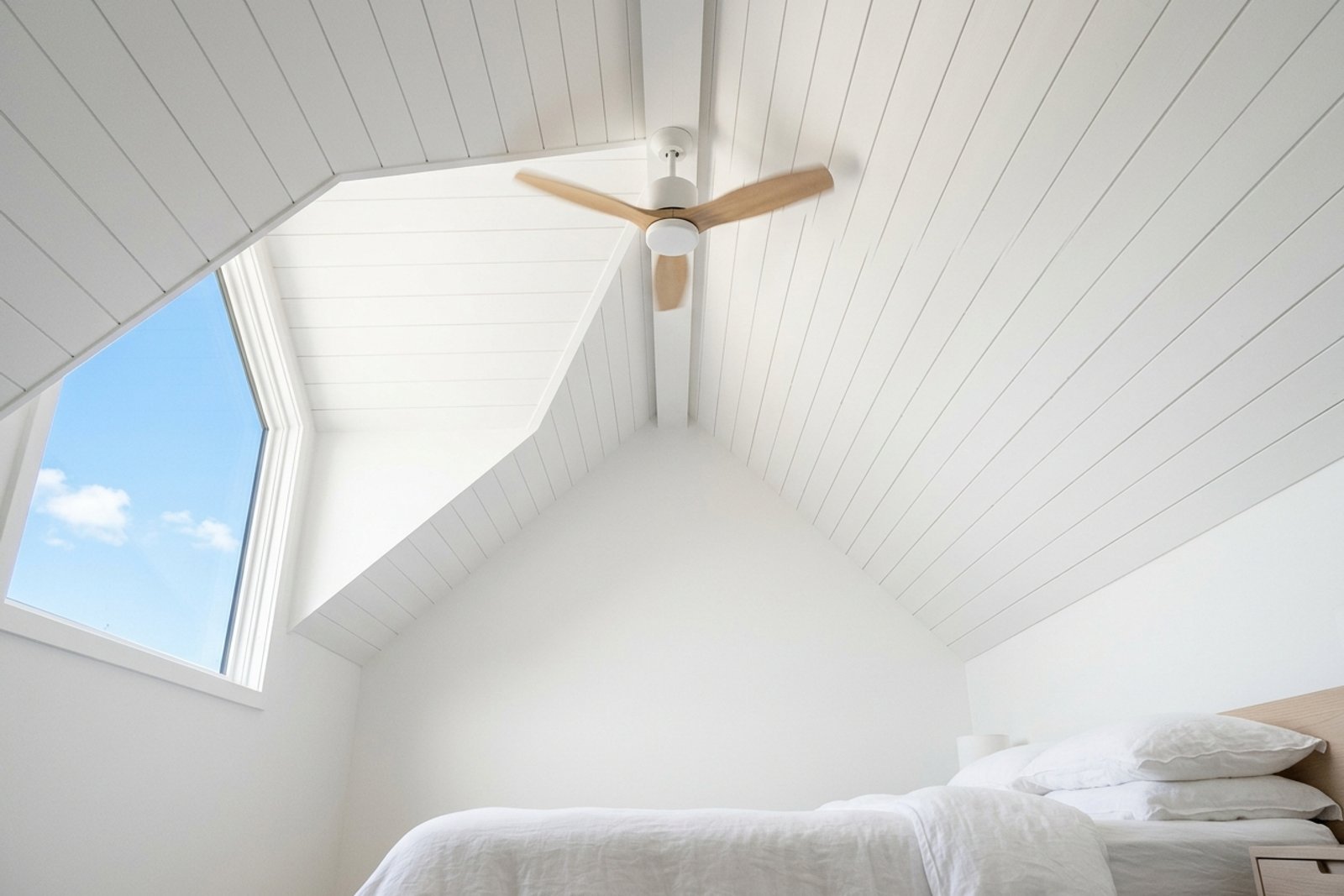
3. Flush hard after sunset
The night flush is the single biggest lever on the top floor, because the gap between your overheated unit and the evening air is wider than anywhere else in the building. Once outdoor air is clearly cooler than indoor air, place one fan in a window facing outward to push hot air into the street, and open a window or door on the opposite side so cooler air pulls through.
Run it hard for 30 to 90 minutes. Opening up too early just invites warm outdoor air into a room that should have stayed sealed, so wait for the temperature to actually cross over.
4. Send heat out the highest opening you have
Heat pools at your highest points, so give it an exit up there. Run the bathroom and kitchen exhaust fans during the evening flush; they pull from the ceiling zone where the hottest air sits. If you have a skylight or transom that opens, crack it and let the stack effect do the work: hot air exits high while cooler air enters low.
This is also why a fan aimed at an open window from across the room often beats a fan sitting in a doorway. You want a clear path from the hot ceiling zone to the outside.
If your unit is a single level with no high opening, you can still fake the effect. Open the highest window you have as the exhaust and a lower one as the intake, even if they are only a foot apart in height. In a studio, the front door cracked for a supervised flush often sits lower than the windows, so it can serve as the cool intake while a window fan pushes hot air out above it. The bigger the height difference between the air coming in and the air going out, the faster the room clears.
5. Stop cooking heat into the room
A top floor unit has no cooler neighbor above to absorb extra load, so it feels every heat source you run. Skip the oven on hot days and use the stovetop, the air fryer, or cold meals. Air dry laundry instead of running the dryer, which dumps heat and humidity into a space that has too much of both.
Switch remaining warm bulbs to LEDs and turn off idle electronics. A desktop, a game console, and a few chargers left running can warm a tight room by a noticeable amount.
6. Dry the air so the heat feels lighter
Roof heat plus summer humidity is what makes a top floor unit feel airless. A small dehumidifier will not lower the thermometer, but drier air lets sweat evaporate, so the same 85 degrees feels noticeably less oppressive. Run it in the room you occupy most, and empty it daily during a heat wave.
If a dehumidifier is not in the budget yet, at least keep humidity sources down: lids on pots, bathroom exhaust fan during and after showers, and no indoor line drying on the worst days.
There is a bonus most renters miss: a dehumidifier gives off a little heat as it runs, so use it during the day while the apartment is sealed, then switch it off for the night flush when you actually want the windows open. An inexpensive hygrometer, around ten dollars, tells you whether humidity is even the problem. ENERGY STAR recommends keeping indoor humidity below 50 percent; under that mark, skip the dehumidifier and put that outlet toward another fan instead.
7. Strip the heat sponges for summer
Dark and dense materials store the heat your ceiling delivers, then release it back at you all evening. Roll up the heavy rug for the season, move the velvet chair out of any sun path, and swap polyester throws for cotton or linen. Pale, matte surfaces hold less heat than dark or glossy ones, which is why the same room reads cooler in oat, sand, or warm white.
You are not redecorating, just benching the worst offenders until September. Store them under the bed or in a closet and the room will shed its evening heat faster.
8. Sleep low, sleep cool
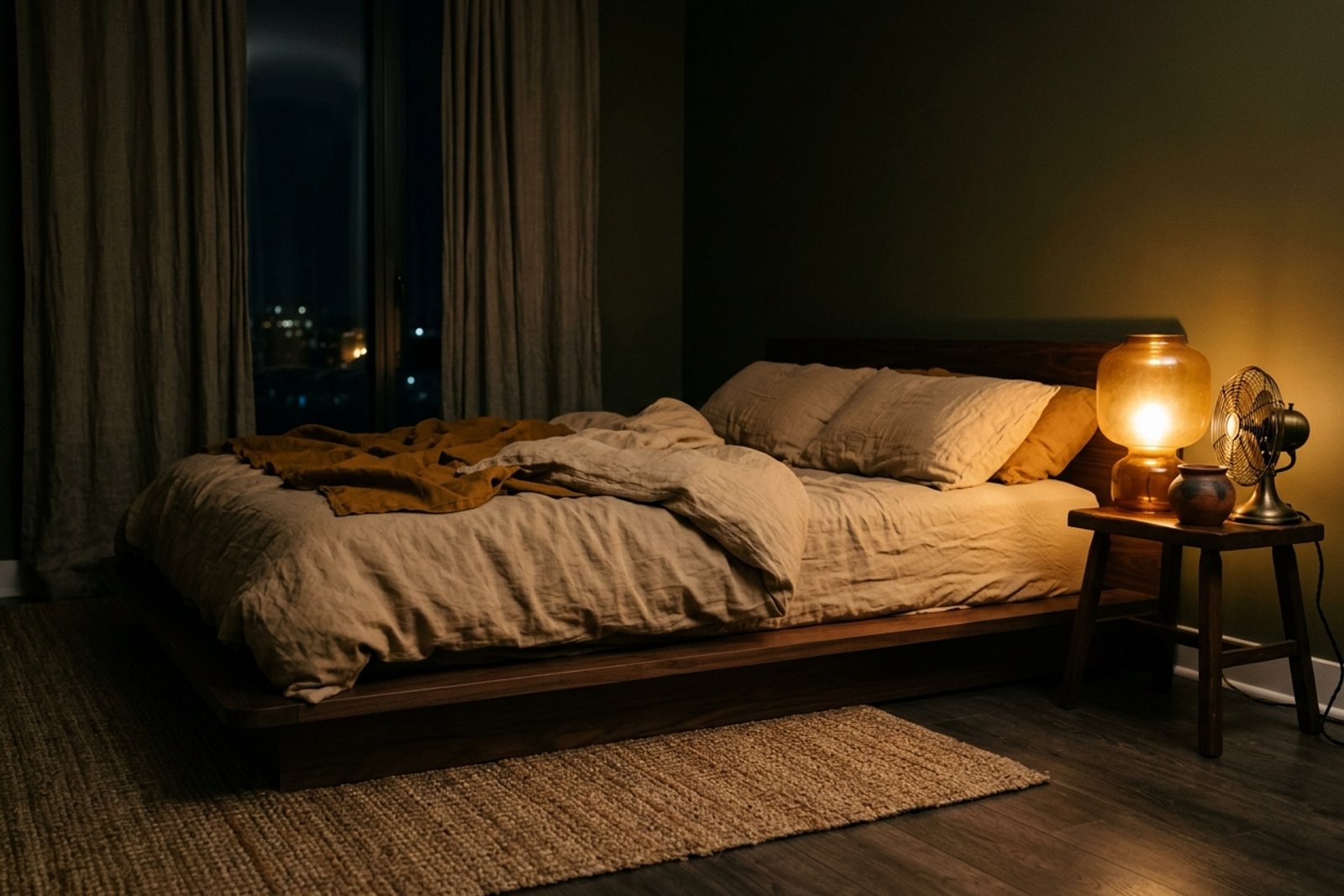
Because heat stratifies, the coolest air in a top floor bedroom is near the floor. A low platform bed sleeps cooler than a tall one under a hot ceiling, and during a bad heat wave a mattress moved to the floor for a week is a legitimate move, not a defeat. Aim a fan so air crosses your upper body, where it reaches skin before it diffuses.
Switch to linen or percale cotton sheets and a lightweight quilt, and pull the bed a few inches off any exterior wall. Our cool bedroom guide covers the full sleep setup, including the pre bed shower trick.
9. When is a portable AC worth it on the top floor?
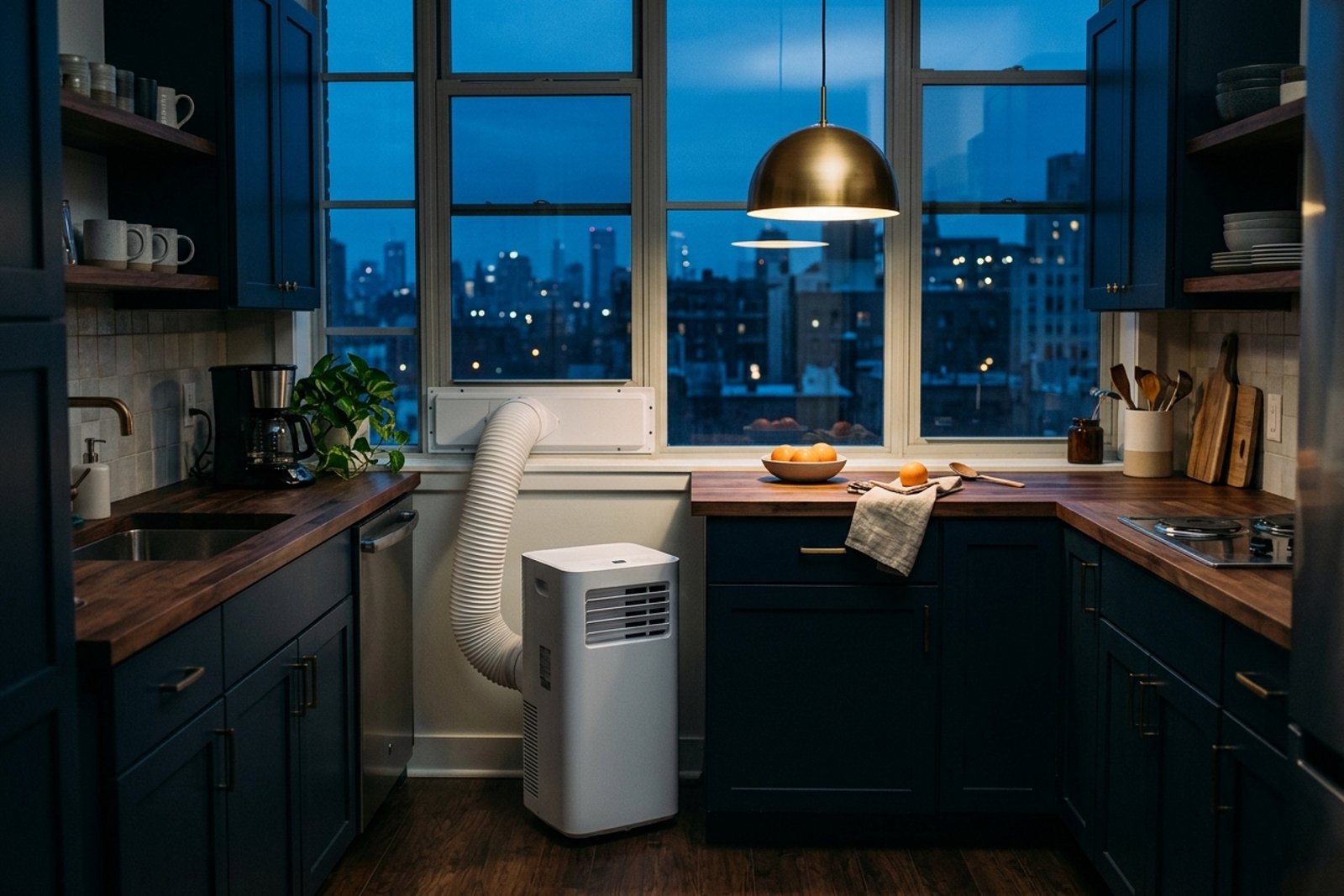
If your bedroom still reads above the mid 80s at bedtime after a week of the routine above, a portable AC is the renter safe investment that closes the gap. An 8,000 to 12,000 BTU unit costs about $300 to $700, installs in a window without tools or permanent changes, and typically adds $30 to $50 a month in electricity at 8 hours a day. On the top floor, choose a dual hose model if you can; single hose units pull already cooled air out of the room and lose efficiency in exactly the conditions you have.
| Portable AC type | How it exhausts heat | On a hot top floor |
|---|---|---|
| Single hose | Pulls already cooled room air out through one hose | Less efficient; the outgoing air creates negative pressure that draws warm air back in through gaps |
| Dual hose | Takes outdoor air in one hose and exhausts through the other | More efficient; it does not pull your cooled air out of the room |
Size it for the bedroom, not the whole apartment. Cooling one small room from dinner onward costs far less than fighting the entire unit, and it protects the thing heat actually damages: your sleep.
How do you make a poor man's air conditioner?
A poor man's air conditioner is a fan aimed across a shallow pan of ice or a few frozen water bottles. As the ice melts, the fan pushes chilled air over your skin. Treat it as a spot cooler for one person, not a way to cool the whole room.
The trick works because moving air speeds evaporation off your skin, and the ice chills that air a few degrees on the way past. Set a wide bowl or a baking tray of ice directly in front of a table or tower fan, tilt the airflow toward the bed or the couch, and refresh the ice every 30 to 60 minutes as it melts. Frozen two liter bottles last longer than loose cubes and can be refrozen each morning. On a hot top floor, aim it at one person rather than the room, because the cooling fades the moment the ice is gone. One honest limit: it helps most in dry heat. When indoor humidity climbs past 60 percent, evaporation stalls and you feel almost nothing, which is exactly when the dehumidifier or the night flush earns its keep instead.
The short version
A top floor apartment overheats from above, so window tricks alone will not save it. Seal every window before the sun arrives, keep the air column moving so heat cannot layer at the ceiling, then flush aggressively after sunset when the outdoor air finally turns cooler. Cut the heat you make indoors, dry the air, bench the dark textiles for summer, and sleep low where the coolest air sits. If the bedroom still will not drop out of the mid 80s at night, put a dual hose portable AC in that one room and let the rest of the unit ride. The roof is not yours to fix, but the timing and the airflow are, and they are worth several degrees a night.
Frequently Asked Questions
How can I keep my top floor apartment cool without an air conditioner?
Seal every window with pale curtains before late morning, keep a fan breaking up the hot air layer at the ceiling, and flush the unit after sunset once outdoor air is cooler. On the top floor the roof is the main heat source, so timing and airflow matter more than any single fan.
How much hotter is a top floor apartment than a lower unit?
A top floor unit typically runs 10 to 15 degrees hotter than a ground floor apartment in the same building, because the roof cavity above it can reach 120 degrees on a 90 degree afternoon and press that heat down through the ceiling long after sunset.
How do you cool a room without AC at night?
Wait until outdoor air is clearly cooler than indoor air, then put one fan in a window facing outward and open a window or door on the opposite side to pull cooler air through. Run this night flush for 30 to 90 minutes, and sleep low where the coolest air settles.
Written by the Spatia Editorial Team. Spatia covers small space design from a renter's lens, with a focus on rooms that work before they photograph well.
The Noticer
For thoughtful people who notice spaces.
What did you notice?
Did something in this story make you see your own space differently?
Plan a cooler top floor apartment
Archie maps your windows, ceiling heat, furniture placement, and evening airflow so the hottest unit in the building feels calmer without permanent installs.
Plan my room with ArchieAdvertisement. Archie is made by STUDIO DID IT, the studio that publishes Spatia.
Related Articles
How to Ventilate a Room With One Window (No Cross Breeze)
To ventilate a room with one window, face a box fan out, crack the door for intake, and flush 10 to 20 minutes, or about 5 in winter. See the full routine.
How to Cool a Room With One Window Without AC (West or South)
Cool a room with one window without AC: shade the glass before the sun lands, aim a fan at your body, then flush stored heat out after sunset.
How to Cool a Humid Room Without AC (7 Steps)
Cool a humid room without AC by controlling moisture first, then airflow. A renter safe routine to exhaust damp air, dry textiles, and place fans right.