Home Refresh Ideas After 50 (Where to Start)
Home refresh ideas after 50 should make daily rooms calmer, brighter, and easier to use before you buy new furniture or plan a major remodel.
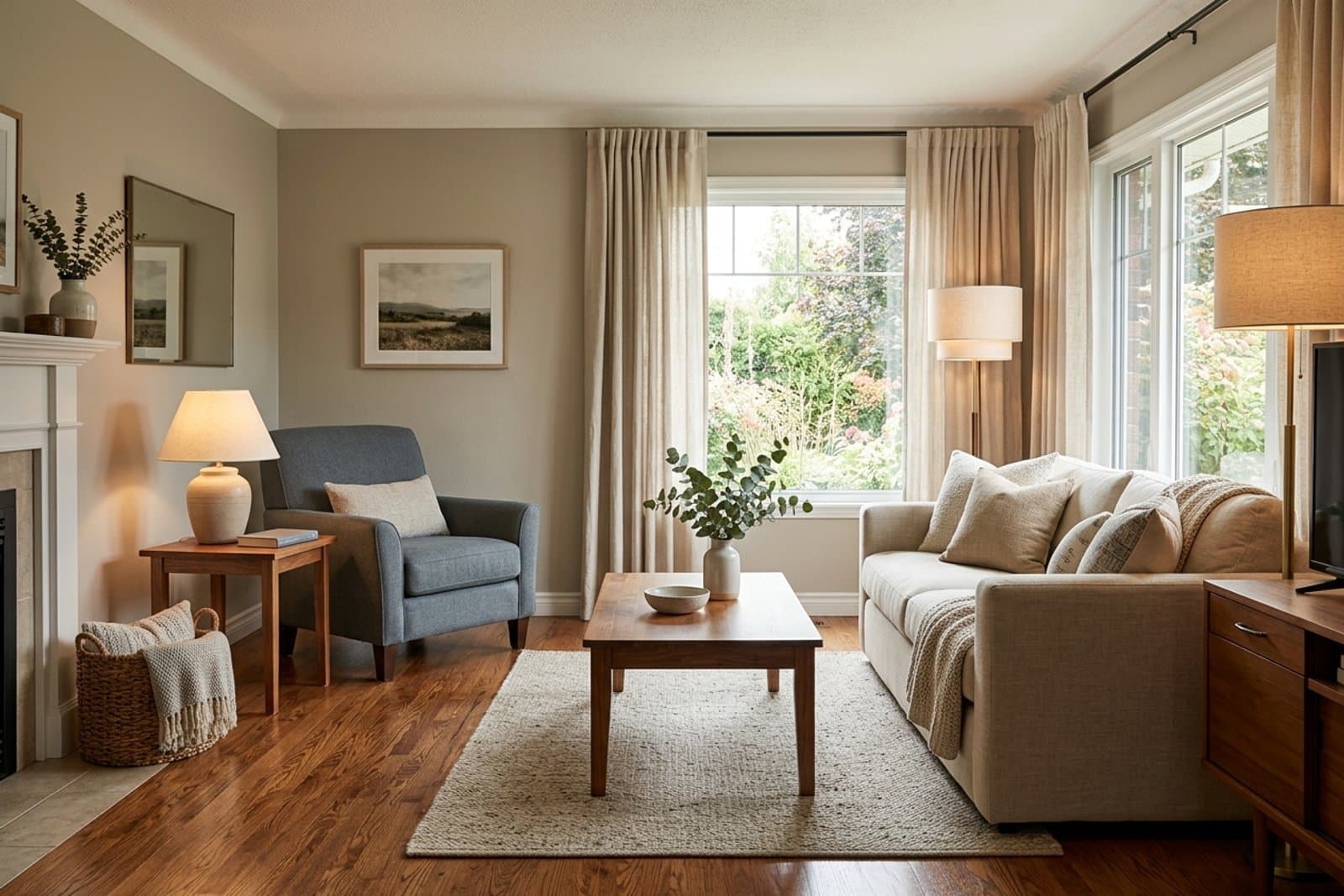
Home refresh ideas after 50 should start with how the home works now, not how it looked when you first furnished it. Focus on clearer 30 to 36 inch walkways, warmer 2700K layered lighting, fewer visual interruptions, seat heights near 18 to 20 inches, and colors that stay calm in morning, afternoon, and evening light. A useful refresh should make everyday rooms easier to enter, read, cook, host, rest, and maintain.
The best first move is a 30 minute room walk. Note where you squint, sidestep, stack papers, avoid a chair, or turn on two lamps and still feel the room is dim. Then spend on the change that removes daily friction in the room you use most every day. That may be a 2700K floor lamp, a smaller coffee table, a washable runner, or one wall color sample, not a full renovation.
This guide is for homeowners in a next chapter stage who want the home to feel current without making it colder, trendier, or harder to live in. If light is the issue, also read our guide to north facing room paint colors, where to put lamps in a dark room, why a room feels cluttered when clean, and curating living spaces at 50.
What should you refresh first after 50?
Refresh the room that creates the most daily friction first. For most homes, that is the living room, bedroom, kitchen entry, or main bathroom path. Do not start with the room guests see once a month if the room you use every morning feels dim, tight, or unfinished.
Use this order before shopping:
| First pass | What to check | A good target |
|---|---|---|
| Walking path | Entry to chair, sofa, bed, bath | 30 to 36 inches clear |
| Light | Reading, cooking, hallway, bedside | 2700K to 3000K bulbs |
| Seating | Sofa and chair height | Easy stand without rocking |
| Surfaces | Places paper and devices land | One tray or drawer per zone |
| Color | Main wall in day and night light | Sample for 48 hours |
The National Institute on Aging recommends removing trip hazards and keeping paths clear as part of fall prevention at home. That advice sounds clinical, but the design version is simple: the room should stop making you negotiate with furniture. A coffee table that steals the walkway, a rug corner that curls, and a lamp cord crossing the route all make the room feel older than it is.

The room you pay for versus the chair you actually use
Before a refresh, I ask homeowners to name the spot where they actually end up every evening, then to describe the room they spend money on. The two answers rarely match. People invest in the formal living room while their real life happens in a worn chair by the kitchen window, and that mismatch is why so many updates feel unsatisfying: the money went where the guests look, not where the body rests.
Put your first budget into that true spot, its light, its seat, its small table, and judge the result by how Tuesday evening feels there. A home in this chapter should read as a portrait of the person living in it now.
How do you make a longtime home feel current without chasing trends?
Make the permanent parts timeless and let smaller pieces carry the update. Walls, flooring, large sofas, dining tables, and built ins should feel steady for years. Pillows, lampshades, art, hardware, and a single accent chair can carry the fresher note without locking the whole room into one year.
I like a three layer test:
- Keep one anchor that already works, such as a wood table, framed art, or a good sofa.
- Remove one dated visual habit, often matching furniture sets or heavy window valances.
- Add one current texture, such as linen, bouclé, cane, warm metal, or matte ceramic.
This keeps the room from looking like a showroom reset. A home with history has no reason to erase itself. Edit the pieces that make daily life harder and keep the ones that still carry memory, proportion, or comfort.
What colors work best for a calmer refresh after 50?
Choose colors that reduce glare and flatter the light you already have. Warm whites, soft greiges, muted greens, mushroom taupe, warm clay, and quiet blue gray often work better than stark white because they soften contrast between walls, trim, floors, and furniture.
Paint color depends on light reflectance value, or LRV. A higher LRV reflects more light, while a lower LRV absorbs more. In a dim room, very high LRV white can still look gray because it reflects poor light back at you. A warmer mid light color often feels calmer.
Good sample set:
- Benjamin Moore White Dove OC 17, a warm white with an LRV around 83.
- Benjamin Moore Edgecomb Gray HC 173, a soft greige with an LRV around 63.
- Sherwin Williams Accessible Beige SW 7036, a balanced beige with an LRV around 58.
- Benjamin Moore October Mist 1495, a muted green with an LRV around 46.
Test each paint on two walls, then look at it morning, late afternoon, and after lamps are on. If the color looks good only at noon, it is not the right color for real life.

How can lighting make a home feel easier to live in?
Lighting makes the fastest visible difference because it changes both comfort and safety. Replace the single overhead habit with three useful layers: general light for moving through the room, task light for reading or cooking, and soft accent light that makes the room feel settled at night.
A practical lighting refresh looks like this:
| Zone | Better light move | Useful spec |
|---|---|---|
| Living room chair | Floor lamp beside shoulder | 2700K LED, shaded bulb |
| Sofa wall | Table lamp or picture light | Warm light, dimmable if possible |
| Hallway | Plug in night light or sconce | Low glare, motion sensor optional |
| Kitchen counter | Under cabinet light | 3000K task light |
| Bedside | Lamp with easy switch | Top of shade near shoulder height |
The American Lighting Association often recommends layered lighting because one fixture cannot serve every task. That matters more after years in the same home. A room can have beautiful furniture and still feel wrong if every evening ends under a glare spot or in a shadowy corner.
What furniture changes matter most in a next chapter home?
Furniture should support standing, sitting, reaching, hosting, and cleaning. The biggest upgrades are often less about style and more about proportion: a chair with arms, a sofa that is not too low, a smaller coffee table, a dining chair that slides easily, and storage that does not require bending to the floor every day.
Check these measurements before replacing anything:
- Keep main walkways near 36 inches where the room allows it.
- Leave 16 to 18 inches between sofa and coffee table.
- Choose seat heights around 18 to 20 inches for easier standing.
- Keep often used storage between waist and shoulder height.
- Use rugs large enough that front furniture legs sit on them, which reduces loose edges.
A common mistake is buying more storage when the room really needs fewer decisions. If every cabinet is full, another cabinet may only move the clutter. Edit the category first, then buy the smallest piece that solves the remaining need.
How do you edit what you own without regretting it?
Edit by use, not by sentiment, and give yourself a deadline so the decision actually closes. Start with the objects you touch in a normal week. In most kitchens, closets, and bookshelves that is a small fraction of what is there, and everything outside it is a candidate to leave.
A structured method helps more than willpower here, because both of the well known ones force a decision instead of a maybe:
- Project 333, Courtney Carver's challenge to dress from 33 items for three months, puts a finish line on a wardrobe edit.
- The KonMari method, from Marie Kondo, reduces every object to one question about whether it still has a use or a place in your life.
The hard category is never the clutter. It is the "just in case" pile and anything with a memory attached: the duplicate appliance, the cables for a device you no longer own, the clothes from a smaller size. Three tests get most of it moving:
- If it has sat unused for a year, the odds you need it later are smaller than the space and mental load of keeping it.
- For sentimental pieces, photograph them first. The memory lives in your relationship with the object, not in the object.
- For anything you are genuinely torn on, use a 30 day box. Items go in, the box gets taped shut, and if you have not reached for anything inside within a month, it leaves unopened.
Plan for one side effect that surprises people. As objects leave a room, the acoustics change. Fewer soft, absorbent piles and more bare hard surfaces mean footsteps and voices start to carry a faint echo, and a freshly cleared room can read as empty rather than calm. Hold on to the textiles while you release the objects: a wool rug, lined curtains, one fabric chair. They keep the room's warmth to the ear as much as to the eye. If a cleared room feels lonely and you cannot say why, listen to it before you buy anything back. The answer is usually one soft surface, not the returned box.
What you buy back should also be fewer and better. Solid wood instead of particleboard, linen or cotton instead of synthetic blends, ceramic or stone instead of plastic. Natural materials age into something and the cheap versions just wear out, and a shorter list of good pieces is also a shorter list to clean, move, and edit again in five years.

How do you refresh a home in one month without overbuying?
Use one month to test the home before making large purchases. The slow start saves money because it separates irritation from actual design need. Many rooms do not need a total redesign. They need two corrected proportions, better light, and fewer competing surfaces.
Try this four week plan:
- Week 1: Walk the daily route and list every friction point.
- Week 2: Fix light bulbs, lamp placement, rug corners, cords, and blocked paths.
- Week 3: Sample paint, move art, edit surfaces, and test furniture positions with painter's tape.
- Week 4: Buy only what the tests proved: lamp, chair, table, storage piece, hardware, or paint.
Keep receipts and leave tags on large pieces until you test them in morning and evening use. If a chair looks good but you avoid sitting in it, the chair failed.
What should you avoid when refreshing a home after 50?
Avoid refreshing for the camera instead of the body. A room can photograph clean and still feel hard to live in if the lamp is too far away, the chair is too low, the walkway is pinched, or the storage sits where your knees and back complain every day.
Also avoid these traps:
- Buying a matching set because it feels safe.
- Painting every room the same white before testing light.
- Choosing a rug so small it floats under the coffee table.
- Keeping heavy drapes that block useful daylight.
- Adding open shelves when you already dislike dusting.
The better question is not "Does this look updated?" It is "Will this make Tuesday easier?" That one question catches most refresh mistakes before they become receipts.
A good refresh after 50 rarely means starting over. It means making the home you already know work better for the way you live now.
Frequently Asked Questions
How do I update my home after 50 without remodeling?
Start with lighting, walking paths, textiles, and one color decision. Replace harsh bulbs with warm layered lamps, clear 30 to 36 inch routes through the rooms you use most, remove pieces you step around, and sample paint before hiring anyone. Many homes feel updated after a tighter furniture plan and better evening light.
What is the best room to refresh first?
Refresh the room with the most daily use and the most irritation. For many homeowners, that is the living room, bedroom, kitchen entry, or main bathroom route. Guest rooms and formal spaces can wait unless they affect daily movement, rest, or hosting plans in the next few weeks.
Should a home refresh after 50 include safety features?
Yes, but safety features can look like good design. Clear paths, lower glare, stable rugs, better task lighting, lever handles, and supportive seating all make a home easier to use without making it look clinical. The earlier you make these changes, the more choice you have in finishes and style.
How much should I change at once?
Change one room system at a time: light, layout, color, storage, or seating. Testing one system lets you see what actually improves the room. Changing everything at once can hide the real fix and often leads to overbuying.
Where should I start decluttering after retirement?
Start with what you use daily, not with the sentimental boxes or the storage room. Spend a week noticing which objects you actually touch; the unused ones become obvious, and the early wins build the momentum for the harder categories. Resist buying bins first. New storage hides clutter and quietly gives you permission to keep things you will never use again.
What is the 3-5-7 rule for decorating after 50?
The 3-5-7 rule groups decorative objects in odd numbers, usually three, five, or seven items, because odd groupings read as more natural than pairs or matched rows. After 50 it pairs well with editing: group a few pieces that still carry meaning on one surface, clear the rest, and let the odd number carry the shelf or table instead of a crowded even set.
The Noticer
For thoughtful people who notice spaces.
What did you notice?
Did something in this story make you see your own space differently?
Ask Archie what your home is asking for next
Upload room photos and Archie will read the lighting, walkways, furniture scale, colors, and daily use patterns before you spend on paint, chairs, storage, or a remodel.
Plan my refresh with ArchieAdvertisement. Archie is made by STUDIO DID IT, the studio that publishes Spatia.
Related Articles
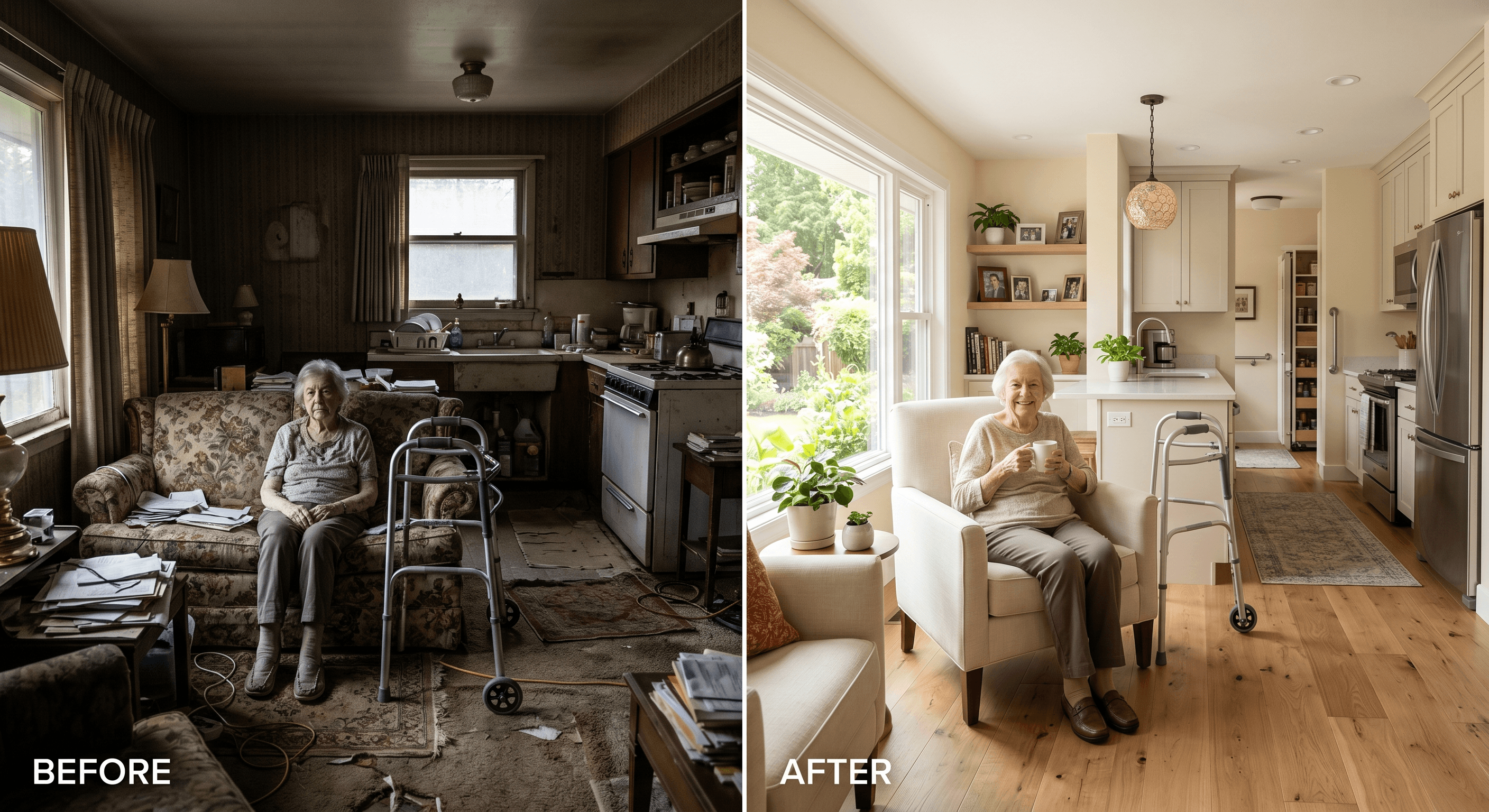
Home Repair Grants for Seniors: Free Help in the U.S. (2026)
Real home repair grants for seniors in the U.S., free or reduced cost. Which programs, who qualifies for the $10,000 USDA grant, and how to apply locally.
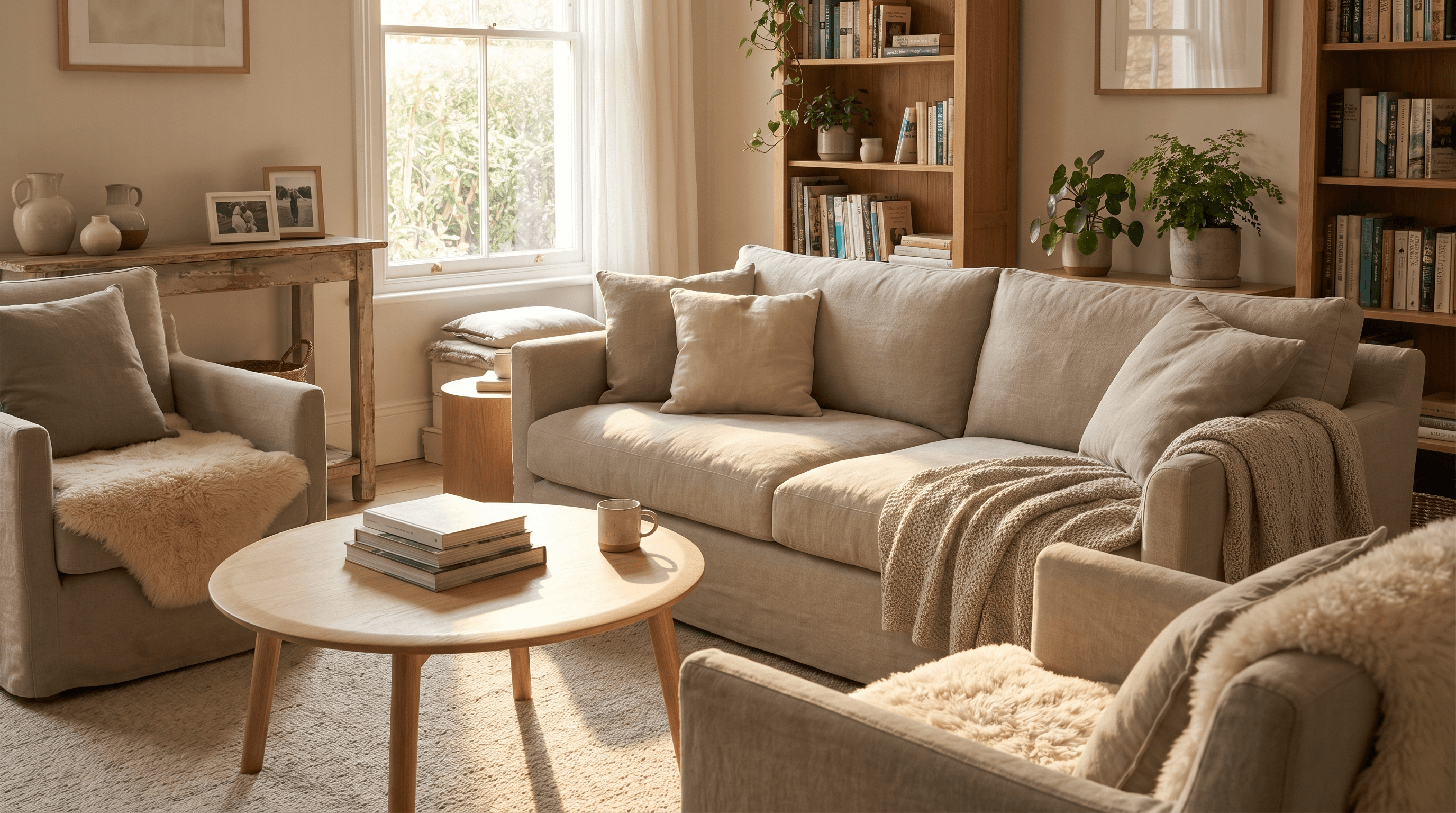
Curating Living Spaces at 50: 7 Interior Design Tips
Curating living spaces at 50 starts with warm neutrals, layered lighting, and clear 36 inch walkways. 7 design tips for a calm, comfortable home in your 50s.