Home Repair Grants for Seniors: Free Help in the U.S. (2026)
Real home repair grants for seniors in the U.S., free or reduced cost. Which programs, who qualifies for the $10,000 USDA grant, and how to apply locally.
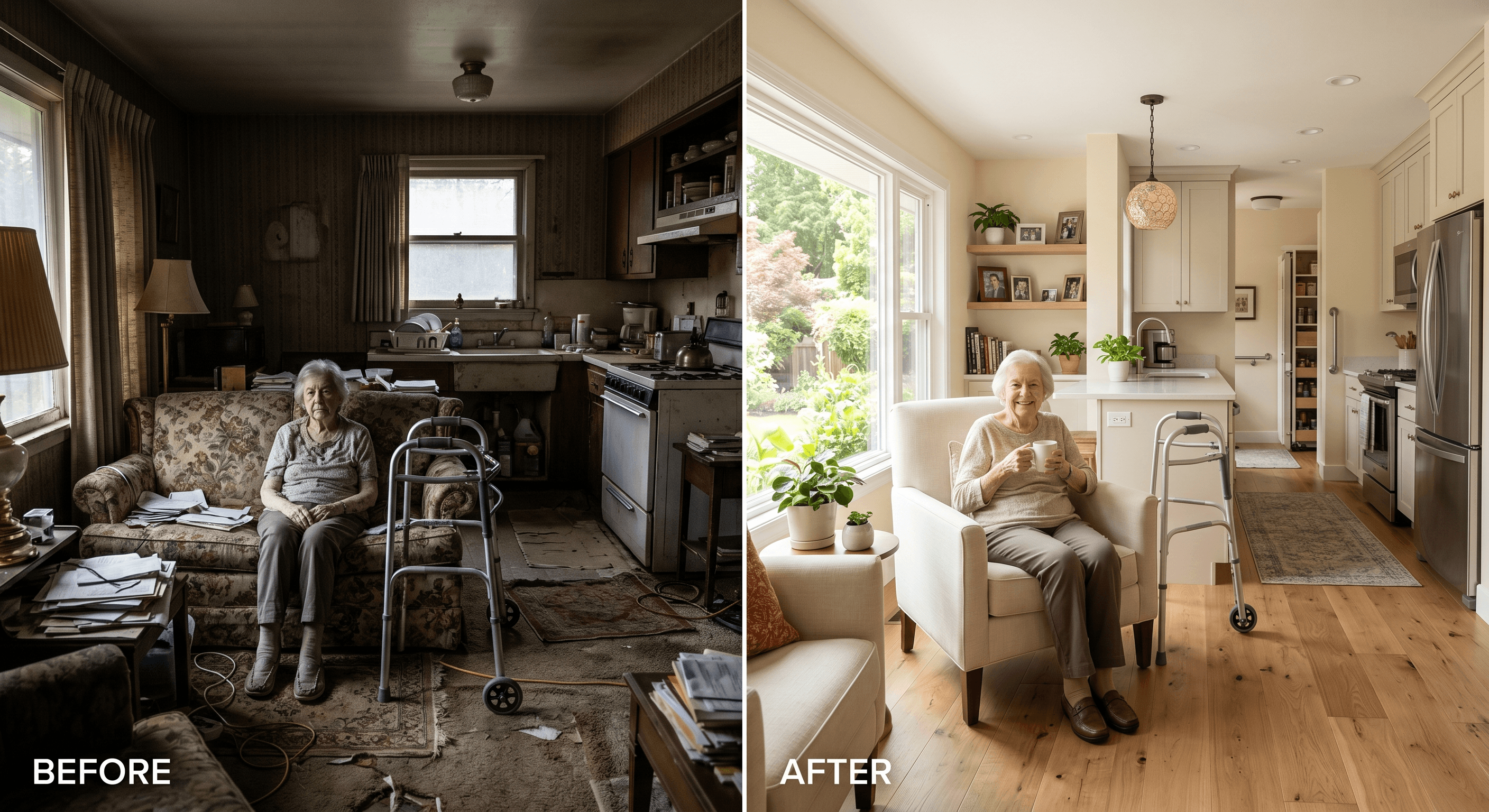
Several real programs in the United States help homeowners repair a home for free or at reduced cost. The clearest is USDA Section 504: homeowners 62 and older with limited income in eligible rural areas can receive a grant of up to $10,000 that never has to be repaid, plus a 1% interest loan for larger work.
HUD block grants, the Weatherization Assistance Program, and nonprofits like Rebuilding Together cover the rest. None of these are centralized, so you apply through a local office, not one national website.
If you have been searching "home repair grants near me," "free home repair programs," or "housing assistance for seniors," you are not alone, and the help is real. The catch is that no single site lists every option you qualify for. You have to know where to look, and you have to use the money well once you find it. If part of your plan is to stay in the home for the long run, it also helps to read our aging in place interior design guide before the work starts.
Who qualifies for the $10,000 USDA Section 504 home repair grant?
Homeowners 62 and older with limited income, living in an eligible rural area. The grant runs up to $10,000 and requires no repayment. USDA Rural Development administers it. Owners under 62, or those who can repay, are steered instead to the 1% interest loan portion for larger projects.
Few people who qualify have heard of it. The grant is written for owners 62 and older who cannot repay a loan, so if that is your situation, check this one before anything else.
What it covers:
- Safety repairs (roofs, electrical, plumbing)
- Access improvements (ramps, grab bars, walk-in showers)
- Structural fixes
How can I get a grant to fix my home through HUD?
Apply through your city or county, not through hud.gov. The U.S. Department of Housing and Urban Development does not run one national repair program. It funds dozens of smaller local programs, mostly through Community Development Block Grants (CDBG), and each city or county sets its own rules, covered repairs, and waitlist.
What this funding typically covers:
- Home repair grants
- Upgrades that let you stay in the home longer
- Safety improvements
These dollars are usually handed out by local city offices, county housing departments, and CDBG programs. HUD is the source; the application happens locally. Start with your city or county housing department.
Weatherization Assistance Program (WAP)
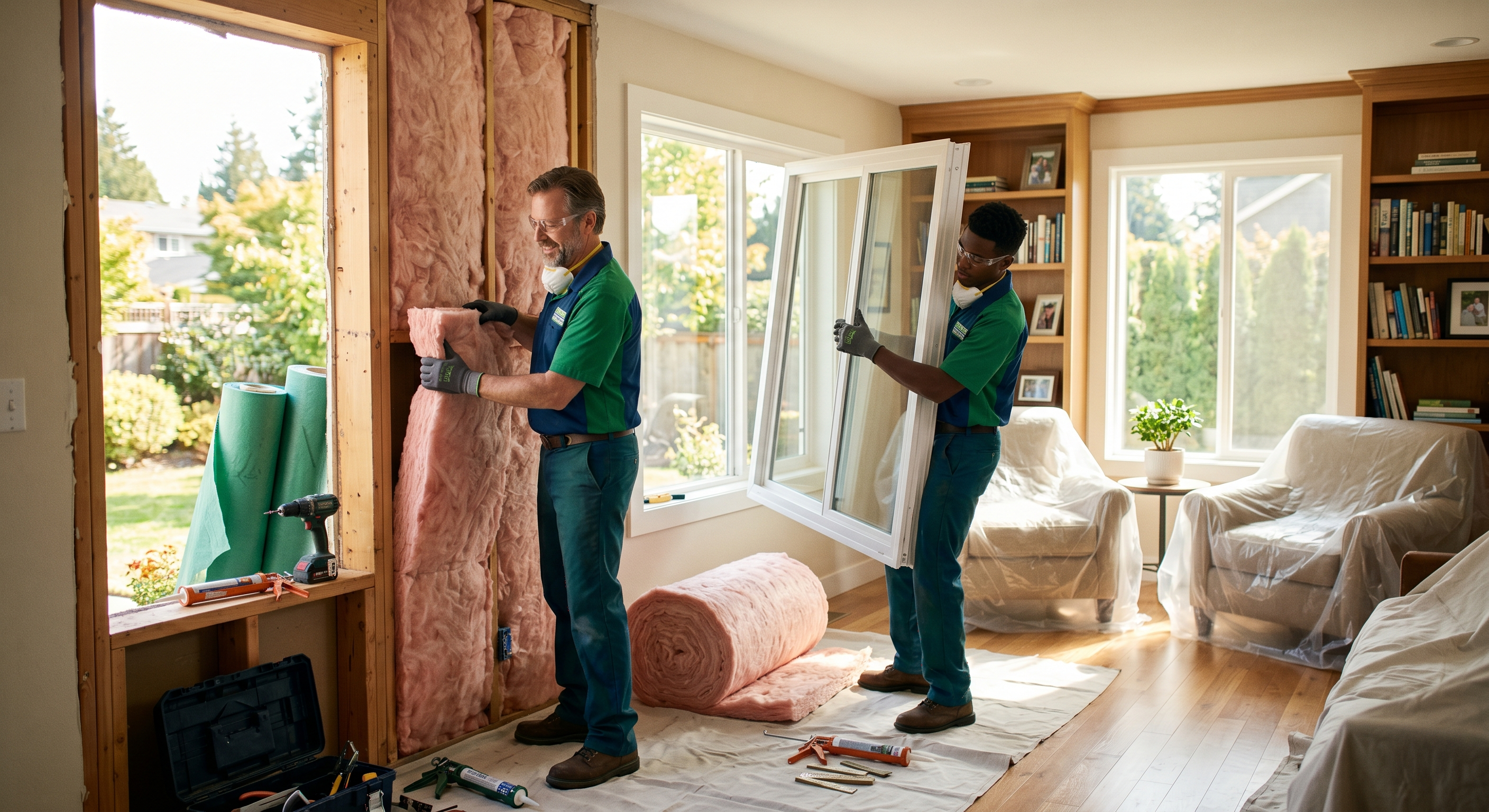
WAP is a federal program focused on energy efficiency, run by the U.S. Department of Energy. It covers insulation, windows and weather sealing, and heating and cooling systems.
The result is a lower monthly energy bill, a home that holds its temperature in every season, and noticeably better indoor air quality. WAP is based on income, not age, so a wider range of homeowners qualify. Households that include an older adult, a person with a disability, or children are often given priority.
Nonprofit home repair programs
Nonprofits often deliver faster and more completely than any government program. A few worth knowing:
- Rebuilding Together
- Habitat for Humanity (many chapters now run programs for owners who want to stay put)
- Local "Christmas in April" or church and community repair groups
These groups often prioritize older owners, veterans, and households with limited income. The work is done by skilled volunteers and licensed contractors at no cost to the homeowner. Waitlists exist, so apply early.
How do I find home repair grants near me?
Call your local Area Agency on Aging, part of the network the federal Administration for Community Living reaches through its Eldercare Locator. National programs route you to a local office anyway, and many of the strongest programs are run by a city or county that rarely advertises. One call tells you which programs are open, which have funding left this year, and which have the shortest waitlist.
If you would rather search first, try:
- home repair grants near me
- senior home repair assistance [your city]
- housing repair program [your state]
- area agency on aging [your county]
The "near me" step matters most for owners in cities, since USDA Section 504 only covers rural homes.
Don't just renovate, redesign how you live
This is where many homeowners make a quiet mistake.
When the funding finally comes through, it tends to go to replacing finishes, upgrading materials, and cosmetic refreshes. What gets overlooked is how the space actually feels and functions day to day.
From a design view, the upgrades that matter most for someone planning to stay put are warm, layered lighting, a simpler layout with clear pathways, easy movement between bedroom, bathroom, and kitchen, and less clutter with more open floor. None of them photograph well.
A renovation that pays for new bathroom tile is a different thing from one that lets you use the bathroom safely at 3 a.m. The first looks better. The second changes your daily life.
Frequently Asked Questions
Are home repair grants for seniors really free?
Yes, true grants do not require repayment. The USDA Section 504 grant for homeowners 62 and older is the clearest example, at up to $10,000. Loan portions of the same program do require repayment, so read the offer carefully before signing.
How long does it take to get approved?
It varies. Federal programs like USDA Section 504 can take a few months from application to funded work. Local nonprofits like Rebuilding Together often move faster but only run repair days at certain times of year. Apply early, and apply to more than one program.
Can I use multiple programs together?
Often yes. Weatherization can stack with a Section 504 grant if the work does not overlap. A nonprofit may handle an access ramp while a program funded by HUD handles the roof. A local housing counselor can map out which combinations are allowed in your area.
What if I live in a city, not a rural area?
USDA Section 504 is only for rural homes, but cities have their own programs through CDBG dollars from HUD and city housing departments. The "near me" search step matters most for owners in urban areas.
Final Thoughts
Funding can pay for repairs. It cannot decide what should change.
The homes that feel best after a renovation are usually the ones where the owner thought as much about how they live now as about what is broken. A new roof keeps the house standing. A different layout, better light, fewer obstacles between bed and bathroom: that is what the next 20 years actually feel like.
Before starting any renovation, it helps to understand what kind of space works for the way you live now, not the way you lived 20 years ago.
The Noticer
For thoughtful people who notice spaces.
What did you notice?
Did something in this story make you see your own space differently?
Want to try this in your own space?
Upload a photo of your room and let Archie, our AI design assistant, show you personalized recommendations.
Try Archie FreeAdvertisement. Archie is made by STUDIO DID IT, the studio that publishes Spatia.
Related Articles
Home Refresh Ideas After 50 (Where to Start)
Home refresh ideas after 50 should make daily rooms calmer, brighter, and easier to use before you buy new furniture or plan a major remodel.

Curating Living Spaces at 50: 7 Interior Design Tips
Curating living spaces at 50 starts with warm neutrals, layered lighting, and clear 36 inch walkways. 7 design tips for a calm, comfortable home in your 50s.