Quiet Luxury Interior Design: What It Really Means in 2026
Quiet luxury interior design signals quality through materials, proportion, and restraint. See what it means in 2026 and how to bring it into your home.
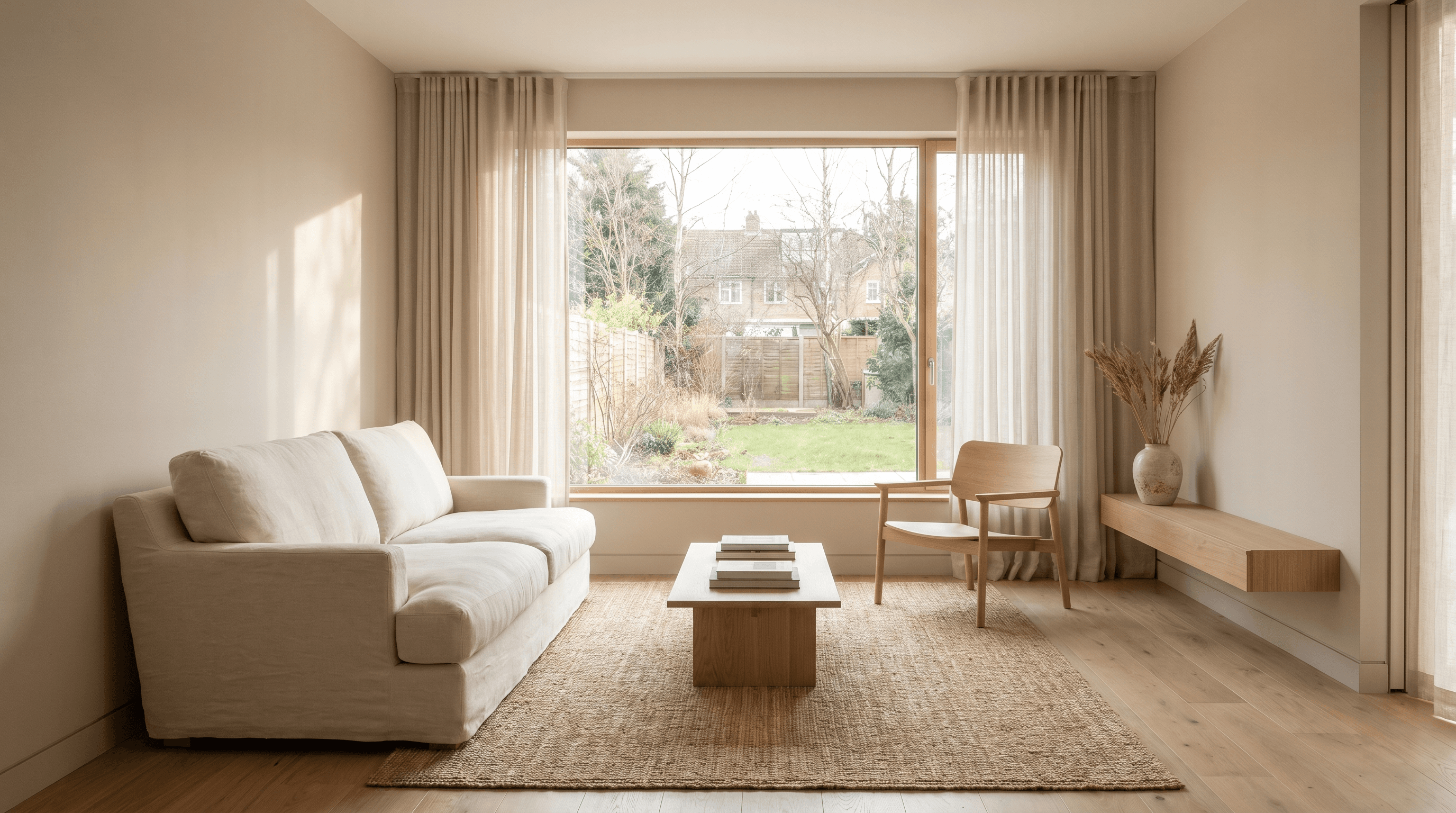
Luxury used to be visible. Polished marble. Statement chandeliers. Objects designed to communicate status to anyone walking through the door.
The definition has shifted. As an interior architect working with residential homes, I see the same conversation now with most of my clients: luxury is no longer about what is seen immediately. It is about what is felt over time.
This is where quiet luxury begins. This guide is for homeowners planning a long term refresh, not for anyone chasing the next viral look.
What Is Quiet Luxury, Exactly?
Quiet luxury is interior design that signals quality through materials, proportion, and restraint rather than obvious status symbols. Unlike minimalism, which reduces a room to the fewest objects, quiet luxury keeps whatever earns its place and edits out the rest. Think solid wood, natural stone, and layered neutrals, an approach Belgian architect Vincent Van Duysen has built a career on.
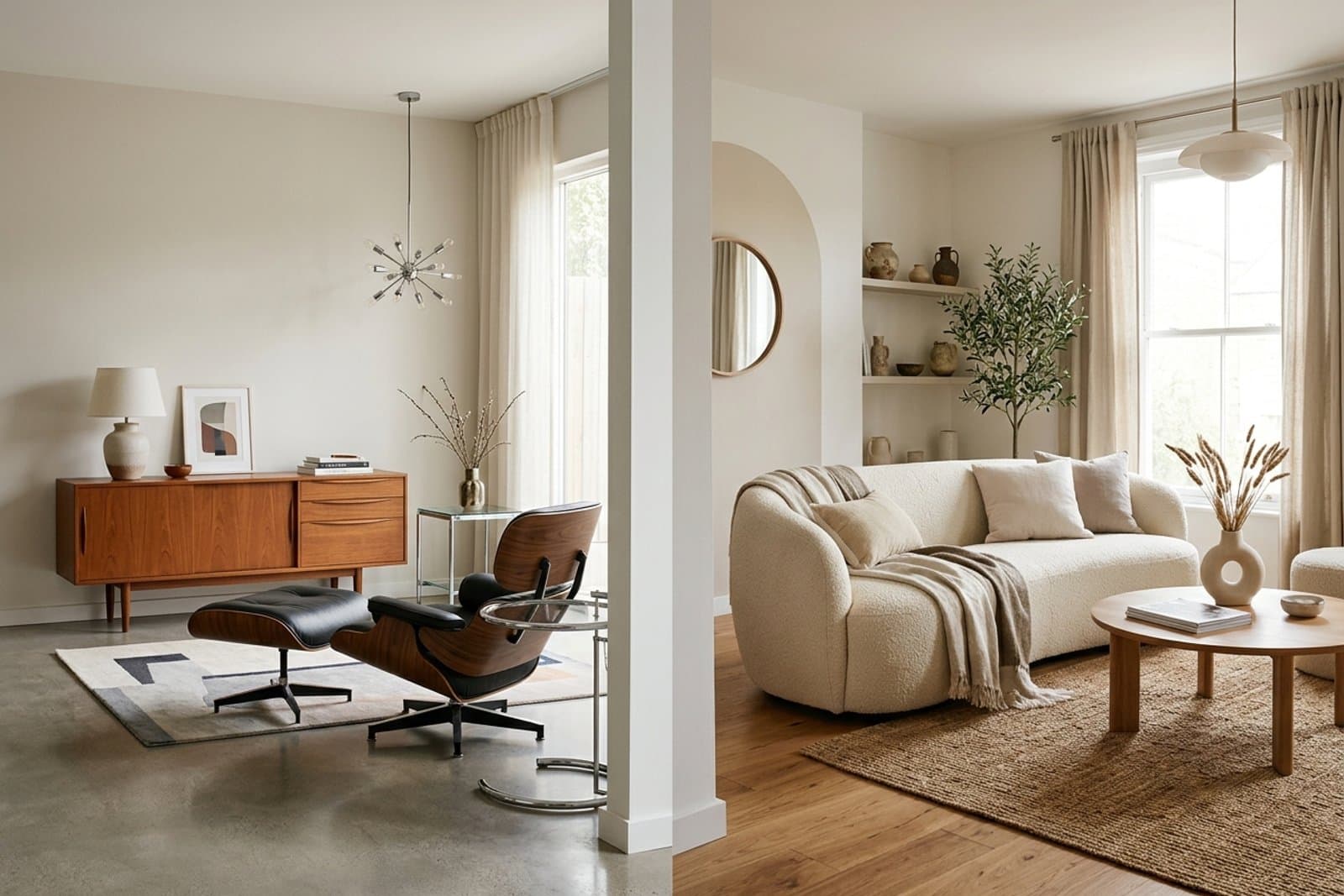
The effect is calm and resolved. Nothing in the room feels excessive, and nothing feels accidental. The space is not empty. It is edited. Every material was chosen for how it ages, every object placed deliberately, and the proportions measured against the architecture around them. A room like this does not reveal itself in a single photograph; it rewards time spent inside it. You sense the difference before you can name it.
What are the core elements of quiet luxury design?
Three things separate quiet luxury from ordinary minimal interiors, and these are the questions I work through with every client: material choice, color discipline, and proportion. None of them is dramatic on its own. Together they make a room feel finished.
Material Integrity
The first shift is in materials. Solid wood over veneer. Natural stone over composites. Real fabric over synthetics. The choice is rarely about price alone. Materials are chosen for how they age, not just how they look on the day they arrive. Veneer can look identical to solid wood for a year, then start to lift at the edges. Composite stone holds up under daily use until a glass is dropped and a corner chips. Real fabric softens, develops a patina, and continues to feel right ten years in. In a quiet luxury room, every material is a long term decision. It is the same material honesty that anchors Japandi and Scandinavian interiors.
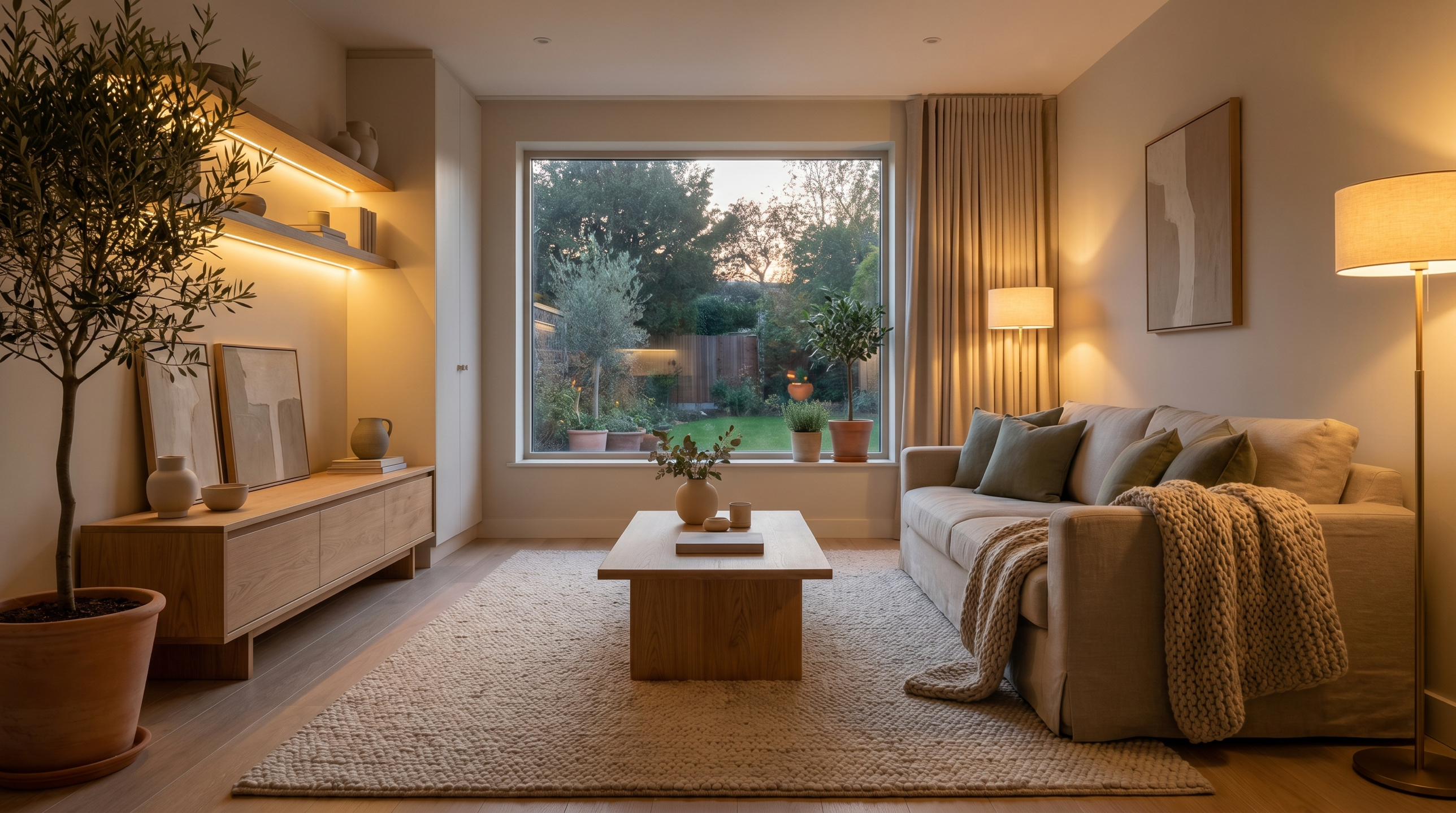
Depth Without Contrast
Conventional interiors lean on contrast: dark furniture against light walls, a bold accent wall, a statement rug. Quiet luxury moves in the opposite direction. Color works through a narrow palette of soft neutrals, with depth coming from tonal variation within that palette rather than from opposition. A warm off white like Benjamin Moore Swiss Coffee or Farrow & Ball Skimming Stone makes a reliable base. Add an oat linen sofa, a sandstone rug, and a brushed brass lamp, and the room still feels layered, because each element is a slightly different temperature and texture of the same family. The effect is visual calm and depth at the same time.
Precision in Proportion
In a quiet luxury room, furniture gets measured rather than eyeballed. Spacing between objects is intentional: the common guideline of 14 to 18 inches between a sofa and its coffee table, and roughly 30 inches of clear walkway through a room, is held to the inch rather than judged by eye. Alignment with architectural lines (windows, doorframes, ceiling beams) is considered. The scale of each piece is calibrated to the size of the room and the height of the ceiling. This is the element most people sense without being able to name. It is what makes a space feel expensive without any obvious markers of cost. The materials may be modest, but the proportions are exact.
Clap once in the room before you buy anything
Luxury has a sound, and it is close to silence. Walk into a genuinely expensive room and notice how your own voice drops; hard budget surfaces clatter, while solid wood, wool, linen, and full curtains absorb the high frequencies that make a space feel tense. I learned to listen to rooms through gallery and museum work, where acoustics are engineered as carefully as light, and I now clap once in every space I assess. A sharp slap back means the room needs soft mass: a larger rug with a pad, curtains that actually close, a wall of books. Quiet luxury is usually discussed as a look. Treat it as a sound first and the look follows.
Why is quiet luxury popular right now?
Something has shifted in what people want from their homes. Years of overstimulation, visual noise, and short lived design trends have made many homeowners cautious. Instead of asking what will look impressive, they are asking what will still feel right in five or ten years.
The move is from attention to experience.
People want emotional stability after long days. They want longevity from the things they buy. They want sensory comfort: textures that feel good under hand, light that flatters skin, sound that softens in upholstered spaces. Quiet luxury answers all three. The materials hold up. The palette stays calm. The proportions settle the room.
For homeowners settling into a long tenure in a home, or refreshing a space for the next chapter, this approach gives you a finished room that does not start looking dated the moment a new color of the year is announced.
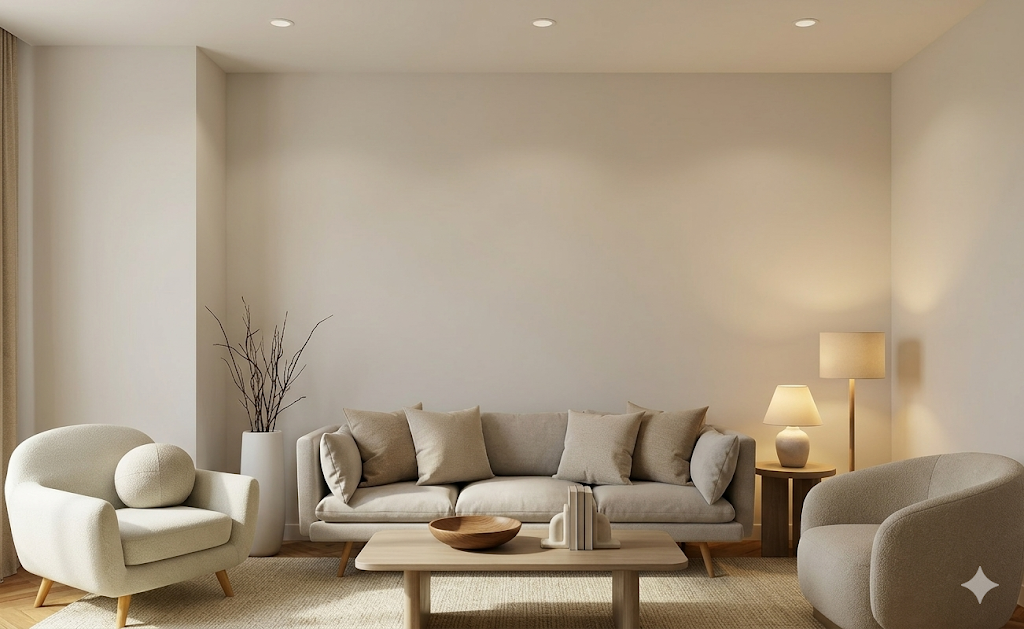
How to Bring Quiet Luxury Into Your Own Home
You do not need to start over. The shift can happen in stages.
- Audit what you own. Walk each room and identify pieces that no longer earn their place. Excessive, accidental, or trend driven items leave first.
- Replace one material at a time. When a piece needs replacing, choose the version that will age well. A solid wood console instead of a laminated one. A linen sofa cover instead of polyester.
- Narrow the palette. Pick three to five neutral tones in the same family. Repaint accent walls back to base. Let texture do the work color used to do.
- Measure before placing. When rearranging furniture, mark the spacing, alignment, and scale on paper first. A few inches of correction often resolves a room that always felt slightly off.
- Wait before adding. When something feels missing, wait. Quiet luxury rooms grow slowly. The right object usually appears when you stop forcing the space.
Common Mistakes
- Confusing quiet with empty. Strip a room down and it reads as unfinished. Editing keeps what works and removes the rest, which looks nothing like a bare room once you live in it.
- Going all neutral with no texture. A flat monochrome palette with no tactile variation reads cold. Texture is what makes tonal layering work.
- Buying everything new at once. Quiet luxury rooms feel resolved partly because they include older pieces. A completely new room reads as a showroom.
- Ignoring lighting. Hard overhead light kills the entire effect. Layered warm light around 2700K at multiple heights is non negotiable.
Frequently Asked Questions
What is the difference between quiet luxury and minimalism?
Minimalism is about reducing the number of objects in a room to the smallest possible count. Quiet luxury is about choosing the right objects, not the fewest. A minimalist room can feel empty or even sterile. A quiet luxury room is warm, layered with texture, and full of materials chosen for how they age. Both share an aversion to clutter, but their priorities differ. Minimalism asks "what can I remove?" Quiet luxury asks "what deserves to stay?" The result is rooms that feel intentional rather than reduced. You can have a quiet luxury room with plenty of furniture, as long as each piece has been chosen with care and contributes to the overall experience of the space.
Is quiet luxury expensive to achieve?
Not necessarily. The principle is choosing materials that age well and pieces that fit the room's proportions. That can mean spending more on a single solid wood console rather than replacing a particleboard one every five years. It can also mean shopping vintage and secondhand for pieces with real material integrity. A quiet luxury room built from carefully sourced vintage furniture, neutral paint, and a single high quality light fixture can cost less than a room filled with new pieces from a single chain store. The investment is in selectivity, not in price tags. Over a decade, the math usually favors the quiet luxury approach because fewer pieces need replacement.
What colors work best for quiet luxury interiors?
Soft neutrals in a narrow temperature range. Bone white, oat, mushroom, sand, warm gray, soft taupe, and muted earth tones all work. The rule is that any two tones in the room should feel like cousins, not strangers. Avoid stark white paired with deep black. Avoid bright accent colors that pull the eye away from the rest of the room. Texture and material variation do the work of contrast in conventional palettes. A bone white linen sofa against a slightly warmer bone wall reads layered without feeling busy. Brass, brushed nickel, and unlacquered metals work well as quiet accents because they share the muted, warm leaning temperature of the rest of the palette.
What color makes a house look expensive?
Soft, warm neutrals read as expensive because they let materials and light do the talking. A bone white, greige, or warm taupe on the walls, paired with natural wood and stone, signals quality far more than any bold color. Avoid stark bright white next to deep black, since that hard contrast flattens a room and reads cheaper than a considered neutral.
Will quiet luxury still feel relevant in five years?
Yes. Quiet luxury restates principles that have always run underneath good residential work: material quality, considered proportion, and restraint. Trend cycles will continue to wash over the home market with bolder colors and louder statement pieces, but rooms designed around quiet luxury principles will continue to age well. The specific aesthetic may shift slightly, but the underlying approach (long lasting materials, layered neutrals, intentional placement) has been a constant in homes that still look good after twenty years. If you are committing to a long refresh of a home, this is one of the safer foundations to build on.
The Noticer
For thoughtful people who notice spaces.
What did you notice?
Did something in this story make you see your own space differently?
Want to try this in your own space?
Upload a photo of your room and let Archie, our AI design assistant, show you personalized recommendations.
Try Archie FreeAdvertisement. Archie is made by STUDIO DID IT, the studio that publishes Spatia.
Related Articles

Scandinavian Interior Design: Why It Still Dominates Modern Homes
Scandinavian interior design endures not because it is trendy, but because it solves real problems: poor light, clutter, and how people actually live.
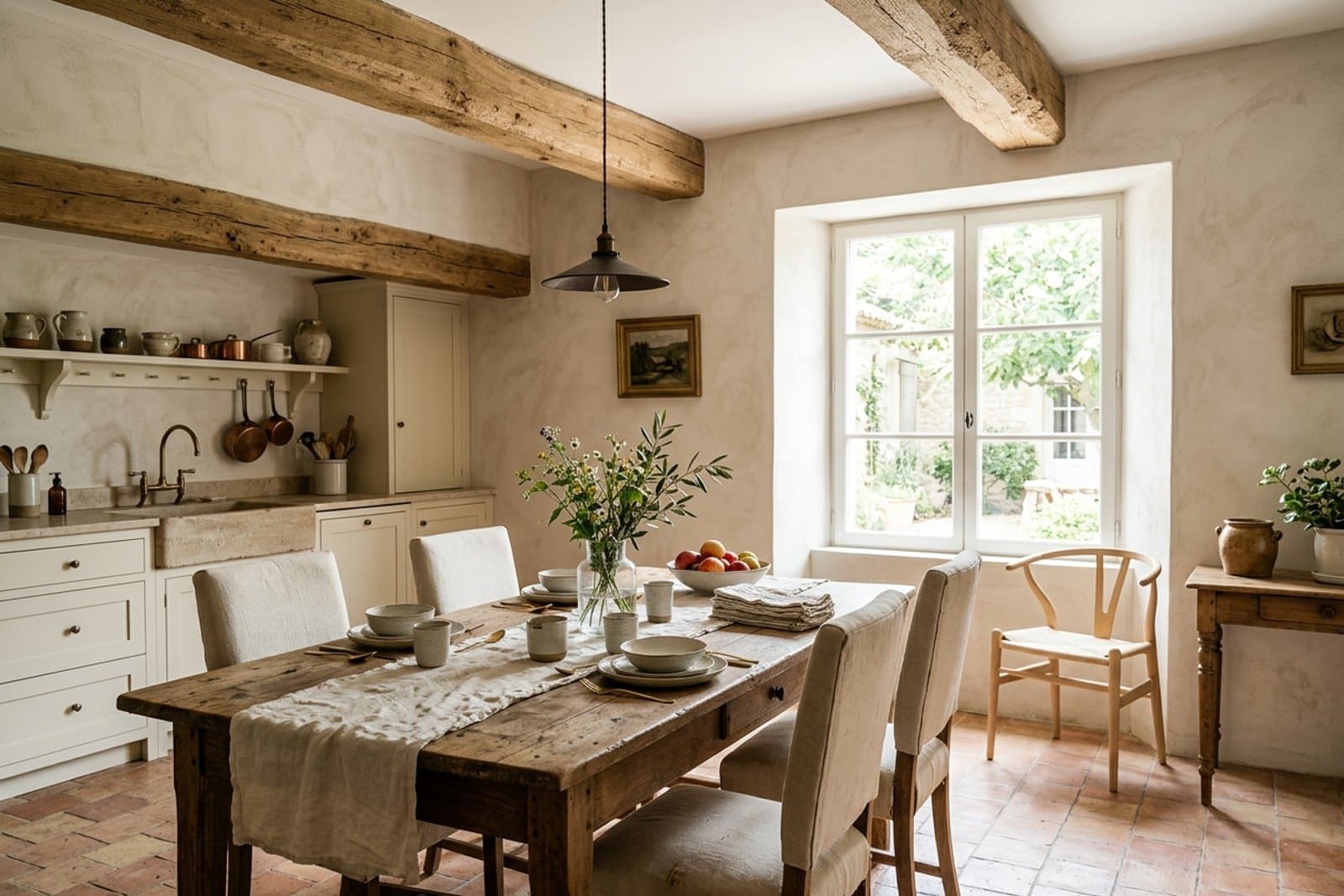
French Country, Rustic, or Scandinavian? A Quick Guide to Popular Interior Styles Right Now
A clear comparison of French country, rustic, and Scandinavian interior styles: what defines each, how they differ, and how to tell which one fits you.
Modern vs. Contemporary Interior Design: What's Actually the Difference?
The real difference between modern and contemporary interior design, explained clearly, plus how to tell which one actually matches your taste.