Modern vs. Contemporary Interior Design: What's Actually the Difference?
The real difference between modern and contemporary interior design, explained clearly, plus how to tell which one actually matches your taste.
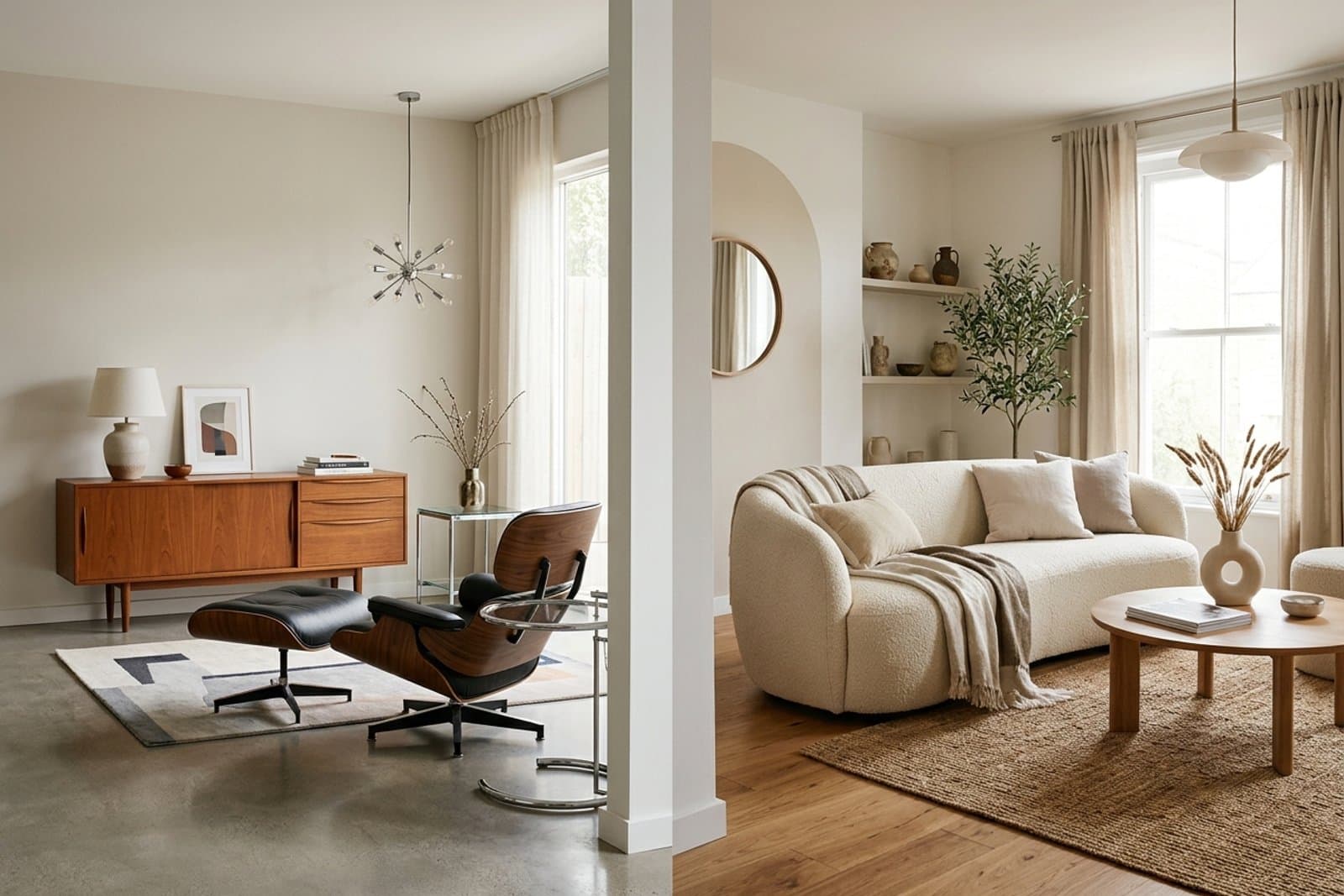
"Modern" and "contemporary" get used interchangeably so often that most people assume they're the same thing. They're not, and understanding the difference actually makes shopping and decorating decisions easier, because the two styles pull from different color palettes, materials, and furniture shapes.
The Core Difference in One Sentence
Modern refers to a specific historical design movement rooted in the early-to-mid 20th century. Contemporary simply means "of the current moment," which means, by definition, it keeps changing.
Modern Design: A Fixed Point in Time
Where It Comes From
Modern design emerged in the early-to-mid 1900s, influenced by movements like Bauhaus and mid-century design. It was a reaction against ornate, heavily decorated Victorian interiors, favoring function, simplicity, and honest use of materials.
Defining Characteristics
Clean geometric lines, minimal ornamentation, materials like glass, steel, and molded plywood, and a restrained, often neutral or primary-color palette. Iconic mid-century furniture silhouettes fall squarely into this category.

Why It Still Feels Relevant
Because modern design is a defined historical style rather than a moving target, it doesn't shift with passing trends. A genuinely modern piece from decades ago still reads as modern today.
Contemporary Design: A Moving Target
Where It Comes From
Contemporary design doesn't trace back to one movement. It describes whatever is currently popular, which means its defining features shift over time. What was "contemporary" in 2010 looks noticeably different from what's contemporary now.
Defining Characteristics Right Now
Currently, contemporary design tends to borrow modern design's clean lines while incorporating warmer materials, softer curves, and a more layered, textured approach than strict mid-century modern allowed. If you want a snapshot of what that looks like this year, our 2026 trends guide walks through the palettes, materials, and shapes defining the current moment.

Why It Keeps Changing
By definition, contemporary design reflects current cultural and material trends, so a home decorated in a contemporary style today will likely look dated in twenty years in a way a true modern piece won't.
How to Tell Which One You Actually Want
If you're drawn to specific mid-century furniture silhouettes, glass and steel materials, and a strict, restrained color palette, you're likely drawn to modern design specifically. If you like clean lines but also want warmth, texture, and a look that feels current rather than retro, you're likely drawn to contemporary design.
Most of the homes clients describe to me as "modern" turn out to be contemporary, and after twenty five years I have stopped correcting the word and started correcting the search. The rooms they show me borrow modern design's clean lines and simplicity, then add warmer woods, softer silhouettes, and more texture than strict mid century modern allows. That is not a mistake, only a more accurate label. So when you shop, type "contemporary" as well as "modern" and compare what comes back, because retailers use the two terms as loosely as the rest of us do.
If neither label feels quite right, that's normal; most people's taste doesn't map cleanly onto one style. Our French country, rustic, and Scandinavian comparison walks through a simple way to figure out what you actually respond to, and AI design tools can now show you the same room rendered in both directions before you buy anything.
Mistakes to Avoid
- Assuming modern and contemporary furniture will look identical when shopping, since retailers use the terms inconsistently
- Committing entirely to strict mid-century modern pieces without considering whether the style's minimal warmth actually suits how you want to live
- Choosing a purely trend-driven contemporary look without any anchor pieces, which can make a room feel dated faster than a room with a few timeless modern pieces
- Ignoring that contemporary style will continue to evolve, meaning a room decorated purely in "what's contemporary now" may need more frequent refreshing than a modern-anchored space
Frequently Asked Questions
Is modern design the same as contemporary design?
No. Modern refers to a specific historical design movement from the early-to-mid 20th century. Contemporary simply means whatever is currently popular, so its characteristics shift over time.
Which style ages better, modern or contemporary?
True modern design tends to age well because it's a fixed historical style rather than a moving trend. A room decorated purely in "what's contemporary" right now will likely need more frequent updates as tastes shift.
Can I mix modern and contemporary pieces in the same room?
Yes. In fact, many well-designed rooms use a few anchor modern pieces (which won't look dated) alongside contemporary furniture and accessories that reflect current trends.
Final Takeaway
Modern is a fixed historical style; contemporary is whatever's current, which means it will always keep moving. Neither is inherently better, but knowing which one you're actually drawn to will make your next furniture search far more precise than typing "modern" into a search bar and hoping for the best.
The Noticer
For thoughtful people who notice spaces.
What did you notice?
Did something in this story make you see your own space differently?
Stop guessing which style label fits your taste
Labels only get you so far. Send Archie a photo of a room you love (or the one you're stuck on) and get a read on whether you lean modern, contemporary, or a mix, plus concrete furniture and palette directions to search for.
Find your style with ArchieAdvertisement. Archie is made by STUDIO DID IT, the studio that publishes Spatia.
Related Articles
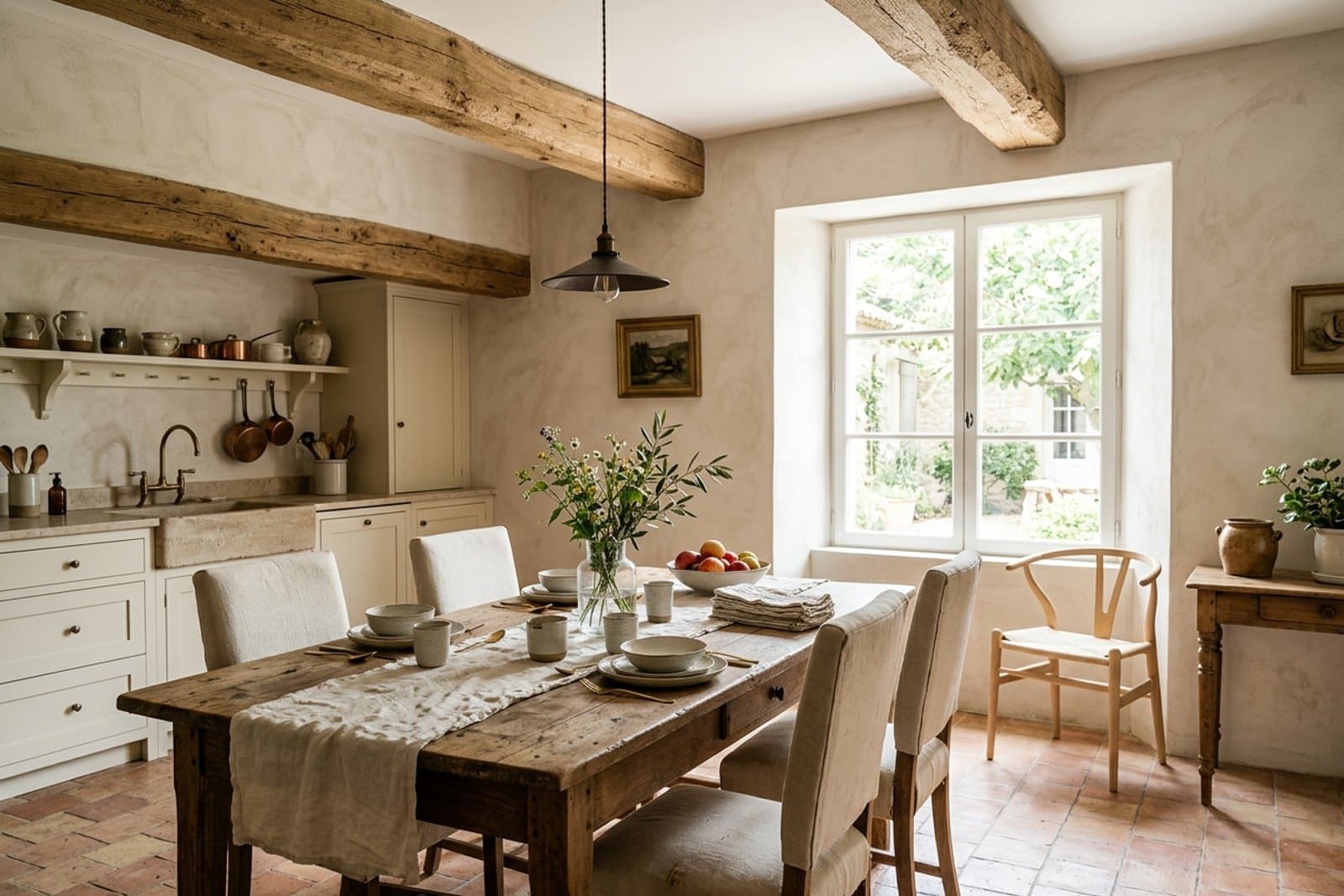
French Country, Rustic, or Scandinavian? A Quick Guide to Popular Interior Styles Right Now
A clear comparison of French country, rustic, and Scandinavian interior styles: what defines each, how they differ, and how to tell which one fits you.

How to Choose a Home Improvement Contractor Without Getting Burned
A practical checklist for vetting a home improvement contractor: licensing, quotes, red flags, and questions to ask before signing anything.

Best Free AI Home Design Tools: A 2026 Comparison
A no hype comparison of free AI home design tools in 2026. See what each type actually does, where the free tier stops, and which one fits your room.