2026 Interior Design Trends: Personal Narrative, Mix & Match, Smart Homes & Value Materials
The experiential trends reshaping how we live in 2026. Your home is becoming your story, and it's getting smarter, bolder, and more intentional.

In Part 1, we explored the visual trends of 2026: hidden design, texture-first surfaces, organic shapes, and furniture as art. Those are the trends you see.
This is Part 2, the trends you feel. These four shifts aren't about what your home looks like in a photo. They're about how it reflects who you are, how it adapts to your life, and whether the money you spent actually made a difference.
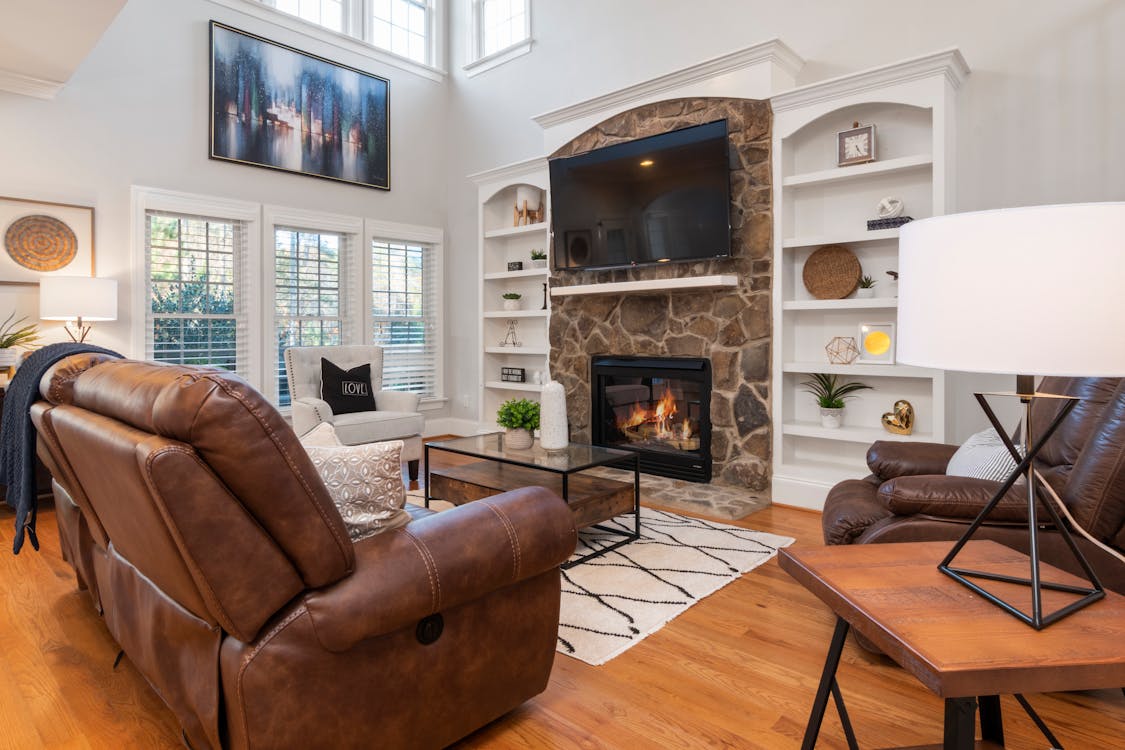
1. Personal Narrative: Your Space, Your Story
The way clients talk about their homes has changed. For years, the conversation was about materials: what wallpaper, what tile, what flooring. The 2026 conversation is about mood: what story does this space tell?
Designers report that clients have fundamentally changed how they talk about their homes. The old consultation sounded like: "I want paint on the walls, wood flooring, and white cabinets." The new consultation sounds like: "I want my home to feel warm and grounded, like a place where people want to stay."
People used to think about their homes surface by surface, ceiling, walls, floor. Now they think about it as a whole atmosphere. "What mood do I want?" comes first. The materials follow.
This shift happened because the general public's understanding of spatial design has dramatically deepened. Years of design content, renovation shows, and online inspiration have raised the baseline. People now understand that a baseboard doesn't define a room's character, but a room's narrative defines which baseboard (if any) belongs.
The practical impact is profound:
- Layering personal taste: The base space might be white walls and wood floors (like everyone else's), but what makes it yours is the layering, the specific curtain texture, the cushion colors, the rug weight, the art selection. These layers of personal expression are getting richer and more intentional.
- Evolving over time: People are designing homes they can grow into, not finished products. The initial renovation sets the foundation; living in the space over months and years adds the personality. This is a radical departure from the "finish everything before moving in" mindset.
- Custom over catalog: Custom furniture, built and fitted precisely to your space with zero wasted gaps, has become the default over modular brand furniture. It's not just about aesthetics; it's about a space that was made for you, not adapted from a catalog.
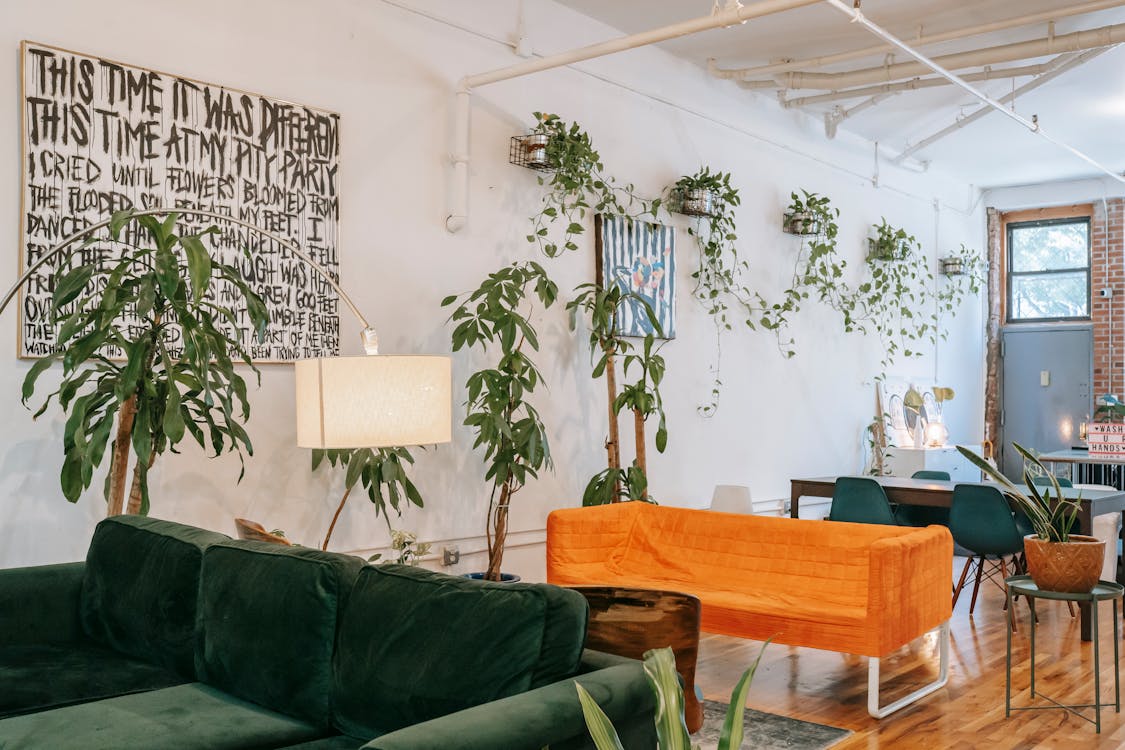
2. Mix & Match Kills Tone-on-Tone
For years, the gold standard of "good" interior design was obsessive color matching. Floor color matches cabinet film. Cabinet film matches door handles. Handle finish matches light fixtures. Everything in one perfectly coordinated tone.
That era is over.
Designers who used to spend weeks matching floor laminate to cabinet film from different manufacturers, obsessively comparing samples under different lights, are now stepping back from that approach entirely. As one veteran designer put it bluntly: "Matching everything to the same exact tone? That's starting to look dated."
The new approach is harmonious contrast:
- Mixed wood tones: Your floor doesn't need to match your cabinets. A lighter oak floor with darker walnut shelving creates depth that tone-on-tone can't.
- Mixed metals: The old rule was "pick one metal and stick with it." The 2026 rule is "let them play." Silver handles on dark wood cabinets instead of the expected gold. Brushed brass in one room, matte black in another.
- Mixed textures within one color: Same white palette, but the wall is matte paint, the counter is polished stone, the backsplash is textured tile, and the curtain is woven linen. One color, five textures, infinitely more interesting than one color, one texture everywhere.
This connects to the personal narrative trend: if your home is supposed to reflect you, then obsessive matching is the opposite of personality. It's conformity. The mix-and-match approach requires more confidence and a better eye, but it produces spaces that feel alive rather than catalogued.
One designer's tip on the metal shift: dark wood veneer used to pair exclusively with gold hardware. In 2026, the same deep wood tones are being paired with silver and brushed nickel instead, a simple twist that makes a familiar combination feel completely fresh. Like fashion trends that cycle back but return with a twist.
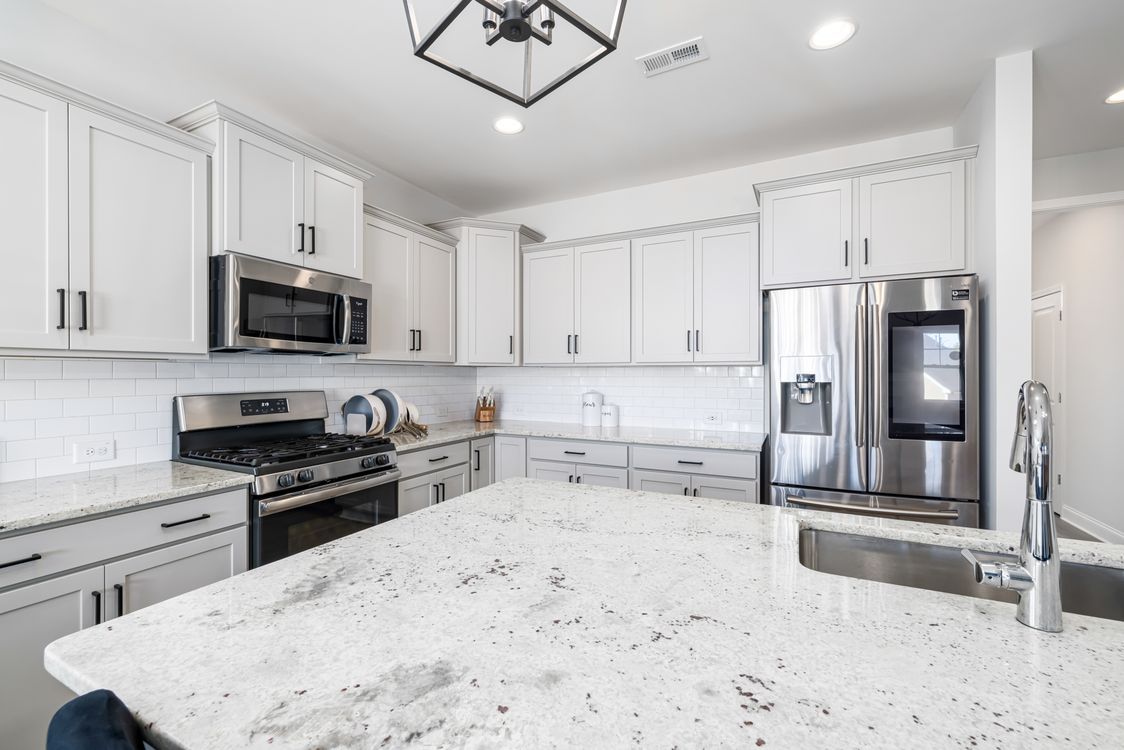
3. Material Upgrades Driven by Value
A quiet revolution is happening in interior materials. It's not about spending more, it's about spending better. Homeowners are increasingly choosing to invest more in a few upgrades that matter rather than spreading a budget thin across cosmetic changes.
The pattern is clear: categories that were once "premium optional" are rapidly becoming standard expectations:
- System air conditioning: 3-4 years ago, it was a luxury. Now virtually 100% of renovation projects include it. The ceiling-mounted units have gone from aspirational to assumed.
- Ceramic countertops over artificial marble: More expensive upfront, but dramatically more durable, resistant to heat, and stain proof. Once you divide the cost over years of use, the math clearly favors ceramic.
- ERV systems with humidity recovery: The air quality difference between homes with and without these systems is immediately noticeable. Designers who visit dozens of homes note it the moment they walk through the door. This is following the same trajectory as system AC, optional today, standard by 2027.
- Advanced cabinet door coatings (EB Board): The progression from LPM to PET to electron-beam cured surfaces mirrors the broader value trend. Each generation costs more but lasts longer, resists scratches better, and doesn't show fingerprints. The next standard is emerging.
The mindset shift is significant. It's not "how do I do this cheaply?" but "where does spending more actually make my daily life better?" A ceramic countertop costs more than artificial marble, but when you're cooking every day and the surface still looks perfect after five years, the value equation is obvious.
There's no such thing as cheap and good in interior design. But there is expensive and bad. The 2026 homeowner knows the difference, and is willing to invest where it counts.

4. Smart Home: Present Infrastructure, Not Future Tech
Smart home technology crossed a threshold in 2026. It's no longer a gadget hobby for early adopters. It's becoming infrastructure, as fundamental to a renovation as electrical wiring or plumbing.
Multiple designers and contractors confirmed the same trajectory: IoT is following the exact path of system air conditioning. A few years ago, it was "nice to have." Now it's rapidly becoming "why wouldn't you?"
What's changed is both the technology and the integration:
- Sensors with AI learning: Modern sensors learn your patterns over the first 2 weeks and then operate with precision. They start "dumb" and get smarter, recognizing when you're home, when you're sleeping, when you've left. The difference in accuracy after the learning period is dramatic.
- CCT lighting control: Instead of LED downlights with a fixed color, smart systems now let you adjust both brightness and color temperature (warm to cool) in every room, from your phone or automatically based on time of day. The cost of lighting that supports CCT has dropped significantly.
- Whole home automation: Lights that turn off when you leave a room. Curtains that close when you fall asleep. Boiler that adjusts based on your smartwatch data. Security cameras that alert your phone when someone lingers at your door. All controlled from one app, all learning your preferences.
- Applications for aging in place: With populations aging rapidly, smart home features like fall detection, sleep monitoring, and activity tracking are becoming essential, not just convenient, for homes with elderly family members.
The cost reality: Basic IoT (on/off control for lighting and devices) adds roughly 3-5% to a renovation budget. Full smart lighting with color/brightness control adds 7-10%. For the daily improvement to quality of life, these are among the best returns on investment in a renovation.
The critical caveat: IoT done well requires planning during renovation, centralized wiring, proper control panels, and consistent infrastructure. Retrofitting smart home systems into an already-finished space is significantly more difficult and expensive. If you're renovating, build the smart home infrastructure now, even if you don't activate all features immediately.
The Thread That Connects Everything
Personal narrative. Mix and match. Value materials. Smart homes. These four trends share a single underlying truth: 2026 is the year interior design becomes truly personal.
For the past several years, the public was learning. Absorbing information about techniques, materials, and styles. Figuring out what's possible. That learning phase is over. Now people know enough to ask the harder question: "What do I actually want? What reflects me?"
The home is no longer a showcase of what you can afford or what's current. It's a reflection of how you want to live, expressed through the textures you touch every day, the objects you chose to live with, the technology that adapts to your rhythms, and the narrative that only you could write.
That's the real trend of 2026. Not any single material or shape or technology. It's the shift from decorating a space to designing a life.
Frequently Asked Questions
How do I find my personal design narrative?
Start with how you want to feel in each room, not what you want it to look like. "I want mornings to feel calm" leads to very different choices than "I want a white kitchen." The mood comes first; the materials follow.
Won't mix-and-match look messy if I'm not a designer?
The key is shared warmth or coolness. You can mix oak flooring with walnut shelving because both are warm woods. You can pair silver hardware with dark veneer because both read as sophisticated. Avoid mixing warm and cool tones randomly, that's where it falls apart.
Is smart home IoT worth it if I'm not tech-savvy?
Modern IoT systems learn your behavior automatically, you don't need to program anything. After 2 weeks of normal living, the system knows your patterns. And the daily convenience (lights that follow you, climate that adjusts to you) is immediately felt by everyone in the household, regardless of tech comfort.
Should I invest in ERV/ventilation or better countertops first?
ERV first. Air quality affects every minute you're home. You'll notice a premium countertop when you cook; you'll notice premium air quality every time you breathe. It's the less visible upgrade with the bigger daily impact.
Can I apply these trends without a full renovation?
Personal narrative and mix-and-match absolutely, start layering personal objects, swap hardware metals, introduce contrasting textures through textiles and accessories. Smart home basics (smart bulbs, sensors) can be added incrementally. Value material upgrades typically require renovation, but even upgrading a single surface (countertop swap, wallpaper accent wall) makes a difference.
Want to try this in your own space?
Upload a photo of your room and let Archie, our AI design assistant, show you personalized recommendations.
Try Archie FreeRelated Articles

2026 Interior Design Trends: Hidden Design, Texture, Organic Shapes & Art Objects
The visual trends reshaping interiors in 2026. Less molding, deeper textures, organic curves, and lighting that doubles as sculpture.

11 Small Studio Apartment Ideas for 2026 (400 Sq Ft Formula)
The 2026 small studio playbook is no longer white walls and a giant mirror. It is warm earth tones, three zones split by rugs and light, and one classic shape per area. Here is the full 11 step formula for a 400 sq ft renter.

Living Alone Interior Design: How Solo Living Is Redefining Modern Spaces (2026 Guide)
Living alone is no longer a temporary phase. It is becoming a dominant lifestyle, and interior design is shifting with it. Homes are no longer built for families. They are built for one.