Why Does My Dark Room Still Look Dark After Painting?
Painted your dark room and it still looks dark? Paint only changes the wall. Check windows, bulbs, undertones, LRV, sheen, and dark furniture first.
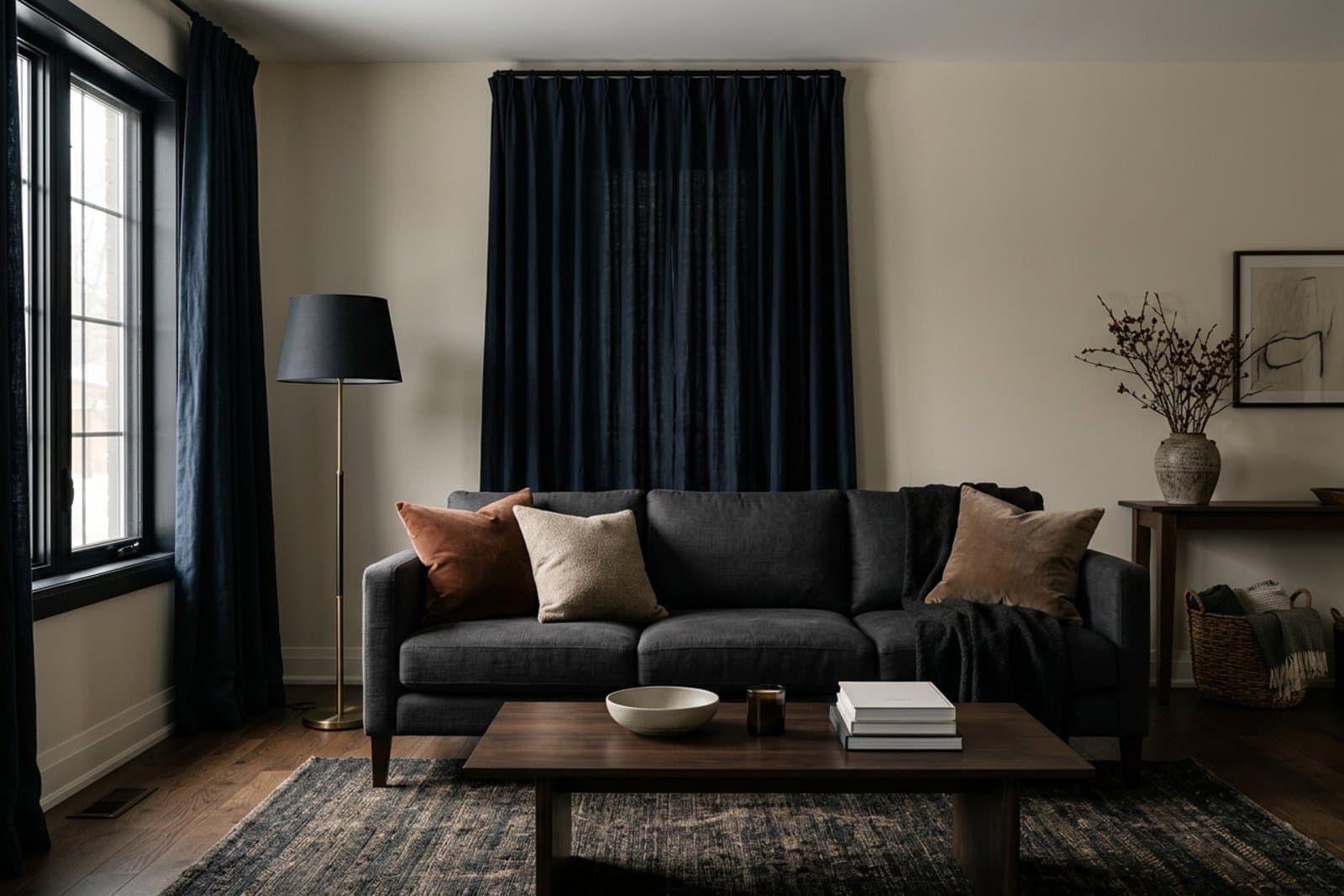
A dark room can still look dark after painting because paint only changes the wall surface. It does not add daylight, unblock a window, correct the wrong bulb color, or lighten a dark floor. Even a bright paint with a high light reflectance value (LRV) above 80 can look gray under cool north light, flat bulbs, or dark furniture that absorbs the light before it reaches the wall.
Do not repaint first. Check six things in order: window exposure, bulb temperature, paint undertone, light reflectance value, finish, and the largest dark objects in the room. In many rooms, one mirror, better curtains, or three lamps changes more than a second gallon of paint. If you repaint before those checks, the new color may repeat the same expensive disappointment next weekend after the paint dries.
This guide is for anyone who already painted and still feels disappointed when they walk in. If you are still choosing color, compare best paint colors for north facing rooms, why your room feels dark, and bedroom lighting before buying another sample.
Why can new paint make a room look darker?
Three things do it: the wrong undertone, too little reflectance, or a finish too flat for the room's light. There is a fourth, less obvious cause. Fresh paint makes existing problems easier to see, so a pale new wall beside a dark floor, a heavy sofa, or black window trim reveals how much visual weight the room was already carrying.
Paint stores judge color under clean, balanced light. Your room judges it beside your flooring, furniture, window direction, and bulbs. That is why the same creamy white can look warm in one house and dull gray in another.
Did you fix the window before judging the wall color?
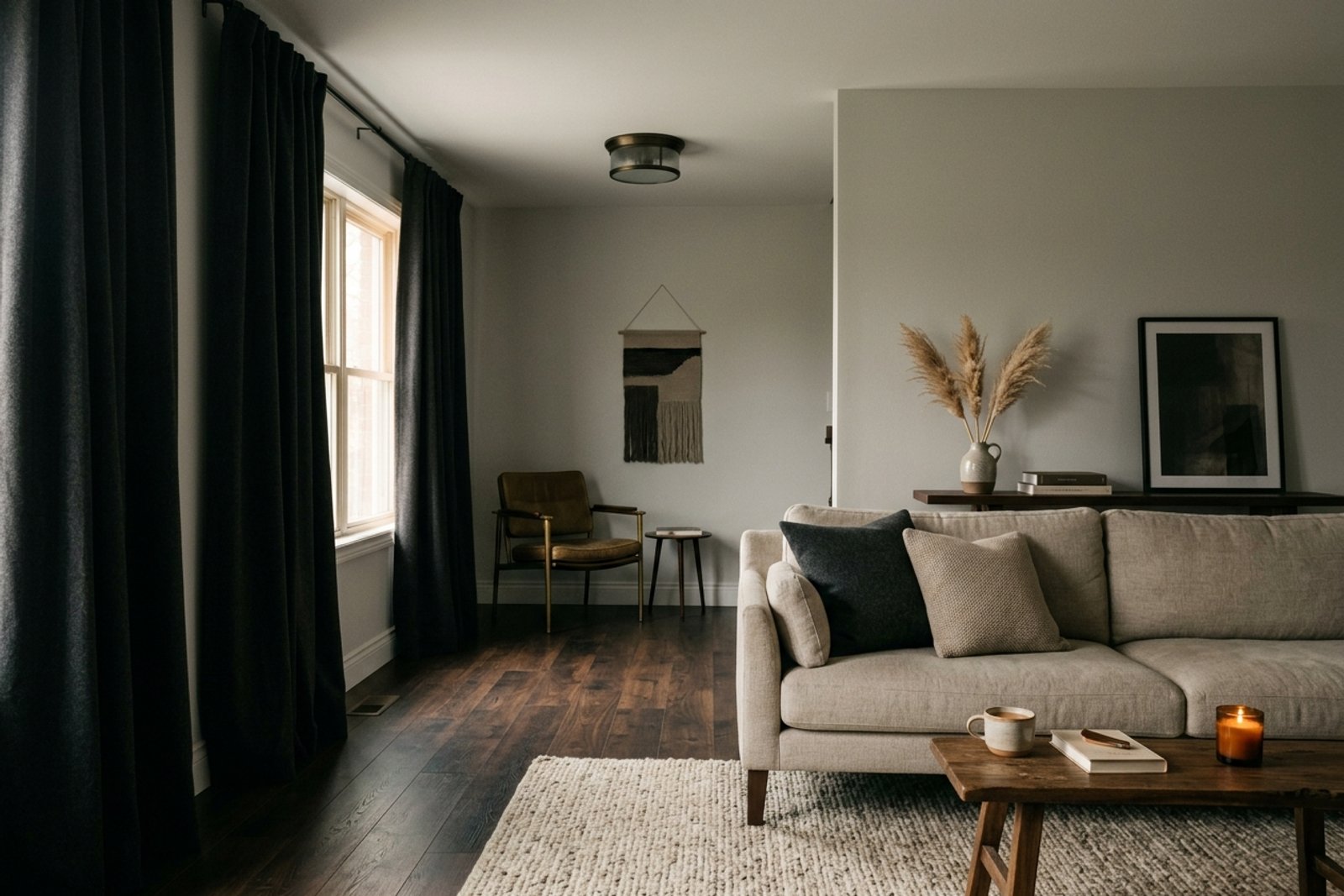
Judge the paint only after you fix the daylight path. Clean the glass, open the curtain stack fully, and move tall furniture away from the window line. If the room brightens after those three moves, the paint was not the main problem.
Use this quick daylight test at noon:
- Stand at the doorway and take one photo.
- Pull curtains fully off the glass and take a second photo.
- Move anything tall near the window and take a third photo.
- Compare the back wall, not the window area.
If the back wall changes, the room needed access to light. A new color cannot solve a blocked window.
Is the bulb temperature fighting your paint?
Probably, if the old bulbs stayed in place while the walls changed. The wrong temperature makes fresh paint look dirty, cold, or too yellow, and it is one of the most common reasons a repaint disappoints. Warm white 2700K is comfortable for bedrooms and living rooms, but it can turn cream paint amber if the shade is beige. Cool 4000K bulbs can make greige or off white walls look flat.
Start with 2700K to 3000K bulbs and test them in the actual fixtures. Use the same bulb family across the room so one corner does not read yellow while another reads blue. If the wall looks better at noon than at night, lighting is probably the fix.
What paint undertones make a dark room worse?
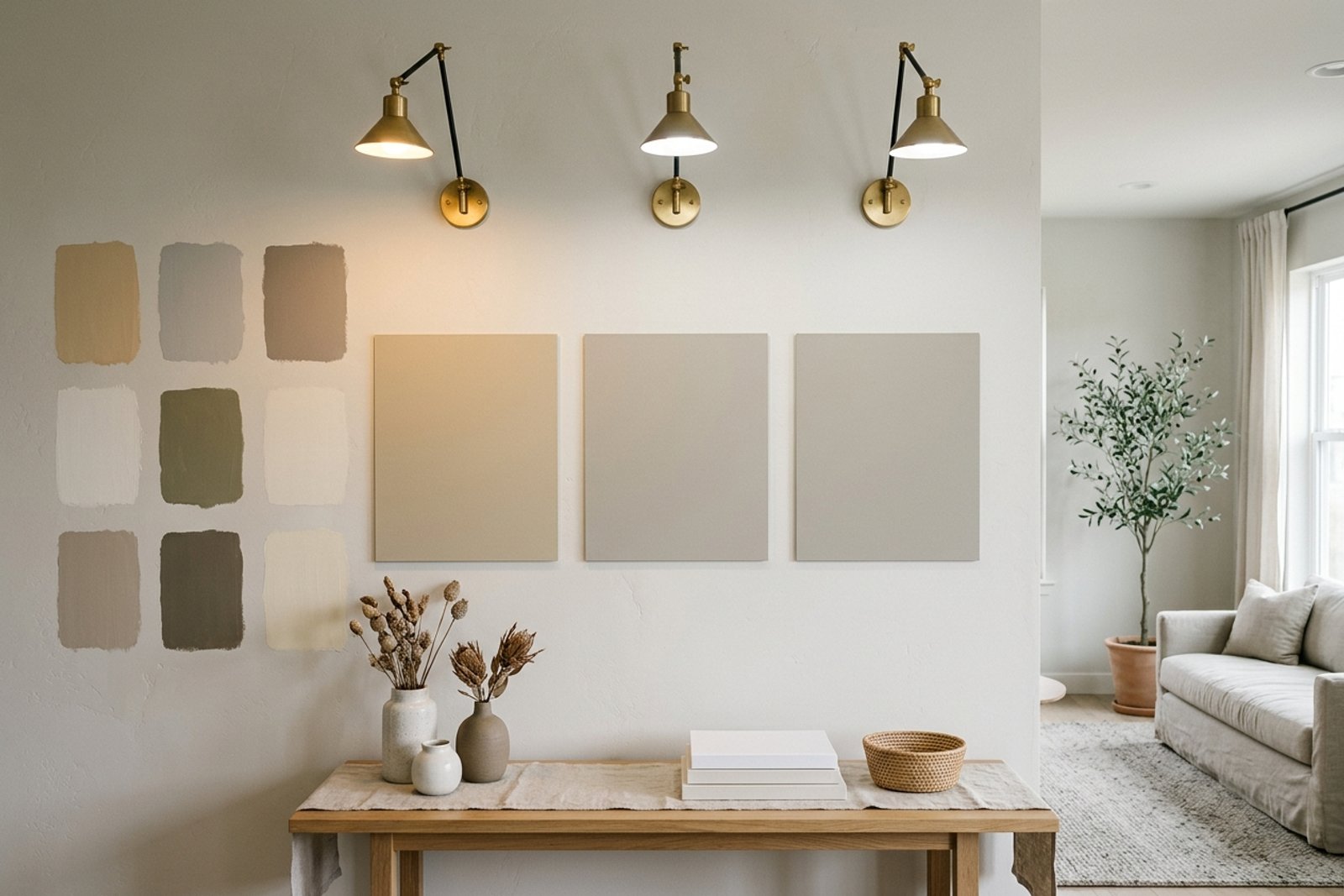
Cool gray, blue gray, violet white, and sharp pure white often make low light rooms worse. They can look crisp on the card and shadowed on the wall. In a north facing room, the cool daylight doubles down on those undertones, so the wall reads dim even if the paint has a high LRV.
Look for warmth without obvious yellow. Creamy white, oatmeal, warm greige, mushroom, and pale clay are safer starting points. If your flooring is orange oak or honey wood, keep the wall quieter. If the floor is gray or dark brown, the wall usually needs more warmth.
What LRV should you use if the room stayed dark?
LRV, or light reflectance value, tells you how much visible light a paint color reflects on a 0 to 100 scale, where 0 is black and 100 is pure white. Every major brand publishes it for each color: Sherwin-Williams lists Alabaster (SW 7008) at an LRV of 82, and Benjamin Moore lists White Dove (OC-17) at 83, both warm whites that hold up in weak light. For a room that stayed dark after painting, check whether your color sits below the range the room needs. A living room with weak daylight often needs 70 to 85 LRV. A tiny hallway or low light bedroom may need 80 to 90.
Use LRV as a filter, not the whole answer:
| LRV range | What it means for a low light room |
|---|---|
| Below 60 | Likely too heavy unless the room has strong lamps |
| 60 to 70 | Workable when furniture and floor are light |
| 70 to 85 | Safest for most low light rooms |
| 85 plus | Useful, but undertone and glare matter more |
A high LRV cool white can still look bleak. A warm white in the low 80s, like the Alabaster or White Dove above, can feel brighter because the room reads it as comfortable, not clinical.
Did the paint finish absorb too much light?
Flat matte paint hides wall flaws, but it can absorb light and make a dark room feel chalky. If the color is close to right but the wall looks lifeless, the finish may be part of the problem. Eggshell or satin gives a soft bounce without the shine of gloss.
Do not jump straight to glossy walls. Gloss shows every bump and can create harsh glare beside lamps. Instead, keep the ceiling clean and bright, use eggshell on walls, and let mirrors, glass, pale textiles, and lamp shades do the heavier reflection work.
Are the furniture and floor making the paint look wrong?
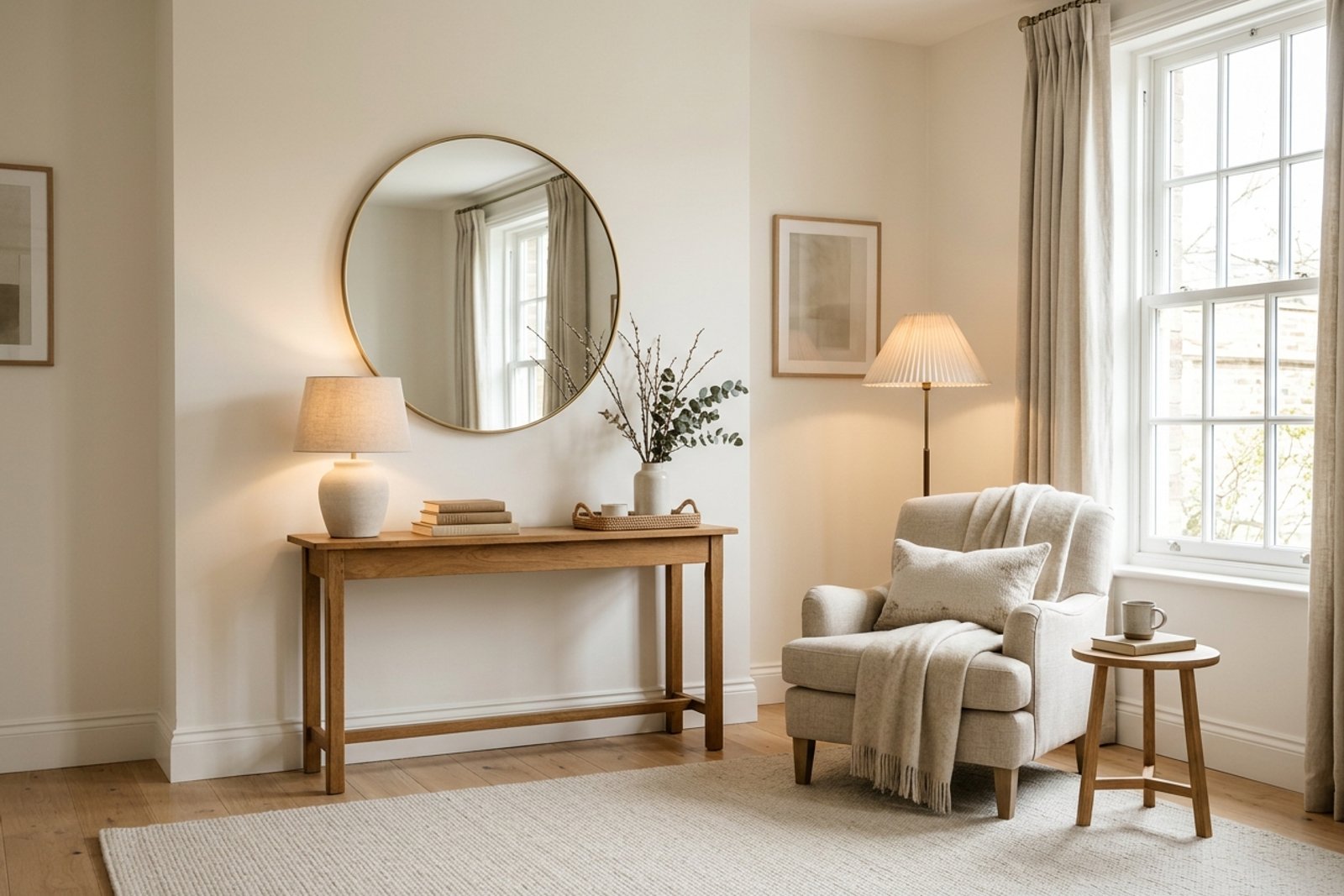
Often, yes. The wall may be fine, but the room's largest objects are still soaking up light. A dark sectional, espresso console, charcoal rug, navy curtains, or black ceiling fan can keep the room visually heavy after the paint dries. The eye reads the whole field, not the paint chip.
Fix the biggest dark block first. Try a pale rug over dark flooring, linen panels instead of heavy drapes, a light throw over the sofa back, or a wood and glass table instead of a solid dark one. One large pale surface placed where daylight lands can change the wall color more than another sample pot.
Should you repaint or fix lighting first?
Fix lighting first unless the paint is clearly the wrong undertone. Add light at three heights: overhead or floor height, table height, and a low corner source. Then judge the paint at noon and after sunset. If it works in daylight but fails at night, do not repaint. Improve the bulbs and lamp placement.
Repaint only when the color fails in every condition. The clearest signs are a wall that turns blue gray all day, clashes with flooring, or makes white trim look dirty. If the wall only fails in one corner, treat the corner instead.
A one weekend rescue plan
Start Friday night with a photo from the doorway. On Saturday morning, clear the window, clean the glass, and restyle curtains so they do not cover the pane. At noon, take the same photo again. If the wall already looks better, keep going with light path fixes.
Saturday afternoon, place a mirror where it catches the window and add one pale surface where daylight stops. Sunday evening, test 2700K and 3000K bulbs, then add a table lamp or low shelf lamp to the darkest edge. Only after that should you decide whether the paint failed.
A disappointing paint job is frustrating, but it is also useful. It tells you the room is not just a color problem. Before spending on another repaint, ask Archie to read the room photo and separate the paint issue from the lighting, layout, and furniture issues.
Before the second gallon: paint two boards, not a swatch
Before I commit to a wall color, I paint two large boards, at least two feet square, and move them around the room for a full day: against the darkest wall at breakfast, beside the window at noon, opposite the lamps at night. A small swatch card cannot fail early enough to save you. The board test also does something the swatch never does: held vertical, it receives light the way a wall does, while a card lying flat on a table reads a full step brighter. Most disappointing repaints I have seen were chosen from a flat card under good light. If you are about to repaint, spend a week with boards first; the second gallon is cheaper to prevent than to redo.
Frequently asked questions
Does paint dry lighter or darker than the sample?
Most latex wall paint dries slightly darker and truer than the wet coat, and the color settles within a day. That small shift rarely explains a whole dark room. If the wall still reads dark two days after the paint dried, the cause is usually light path, undertone, or LRV, not drying.
How long does it take paint to dry and darken?
Most interior latex paint dries to the touch in about 1 hour and is ready for a second coat in 4 hours. The color keeps settling for a day or two and fully cures in 2 to 4 weeks. Judge the wall after it dries, in daylight and at night, not while it is wet.
What are signs of a bad paint job?
Roller marks, patchy coverage, visible lap lines, and uneven sheen are the usual signs. A wall that looks dark but even is different. Evenly applied paint that still reads dark is almost always a light path problem, not a bad paint job, so check the windows and bulbs first.
How can I lighten a dark room with paint?
Pick a warm white with an LRV around 70 to 85, like the Alabaster or White Dove above, not a cool gray. Keep the ceiling one or two shades lighter than the walls, use an eggshell finish, and pair the color with 2700K to 3000K bulbs and one pale surface where daylight lands.
The Noticer
For thoughtful people who notice spaces.
What did you notice?
Did something in this story make you see your own space differently?
Check the room before you repaint again
Archie reads your room photo, window direction, wall color, furniture, flooring, and lamps so you can see whether the next fix is paint, lighting, curtains, or layout before spending again.
Diagnose my dark room with ArchieAdvertisement. Archie is made by STUDIO DID IT, the studio that publishes Spatia.
Related Articles
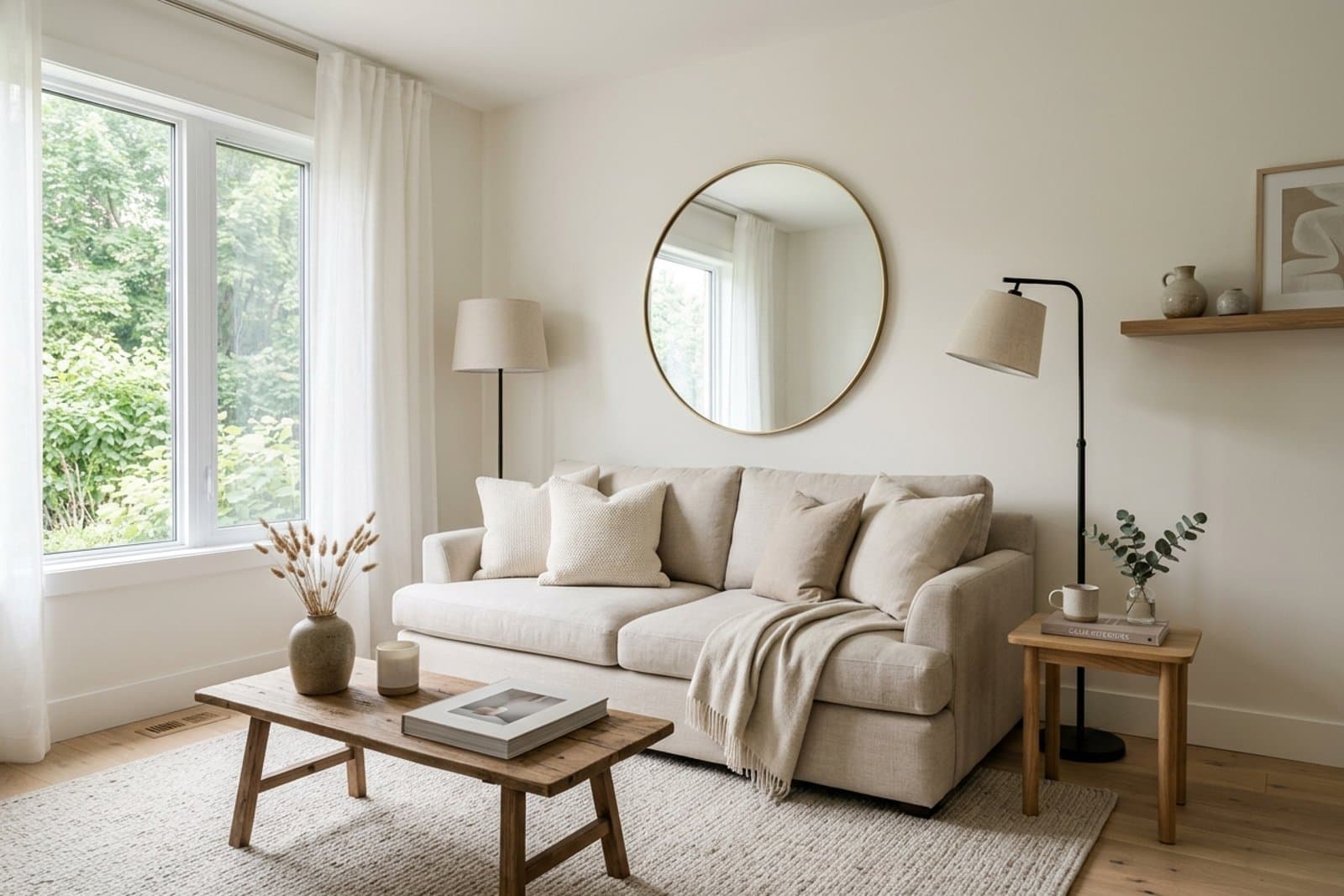
Best Paint Colors for North Facing Rooms With Low Light
North facing rooms with low light need warm paint at LRV 60 to 85. Compare 8 Sherwin-Williams and Benjamin Moore picks by published LRV, then match your floor.
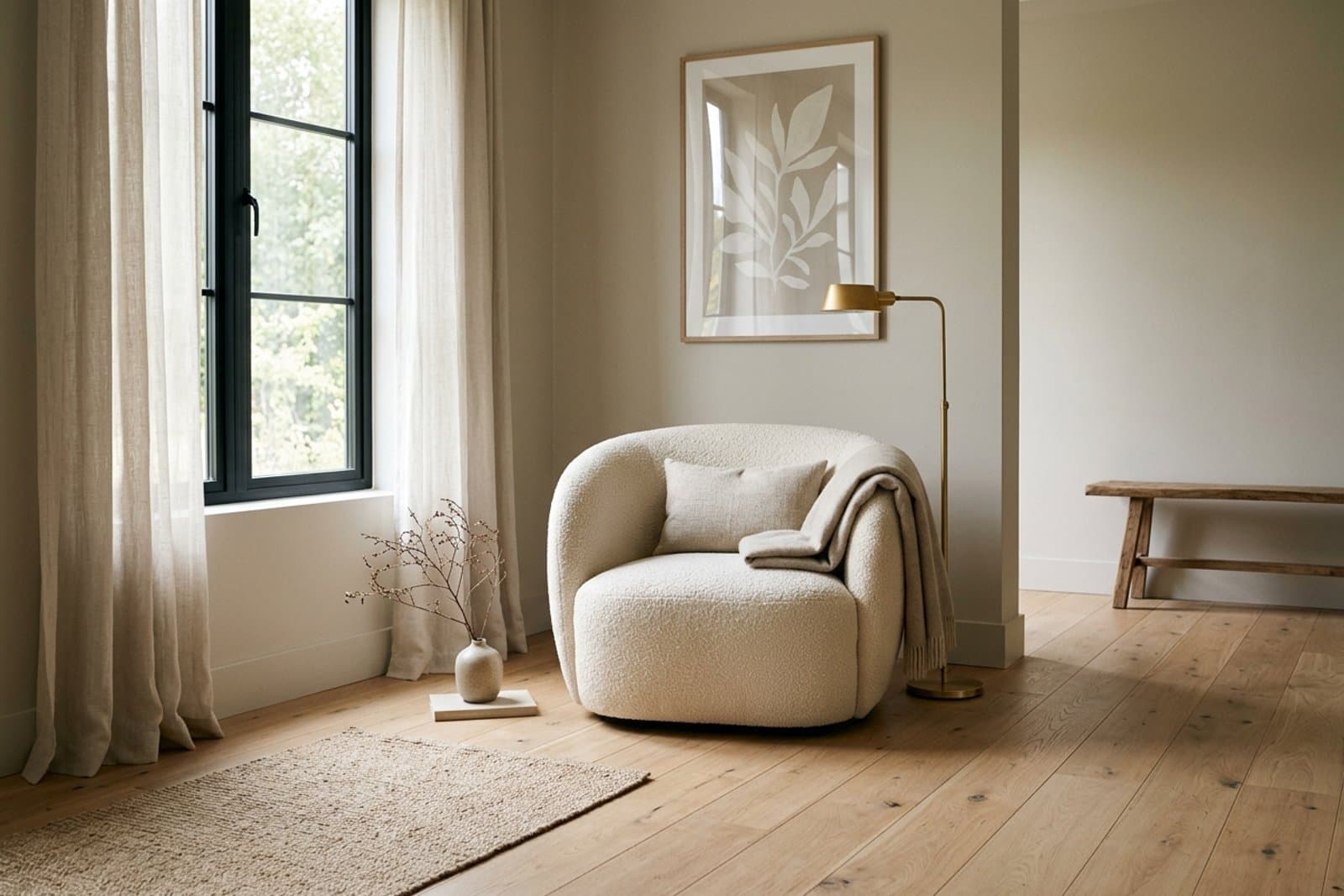
Paint Colors That Go With White Oak Floors (9 LRVs)
White oak floors want walls with a tan or green undertone, not pink or yellow. Compare 9 Sherwin-Williams and Benjamin Moore picks by published LRV.
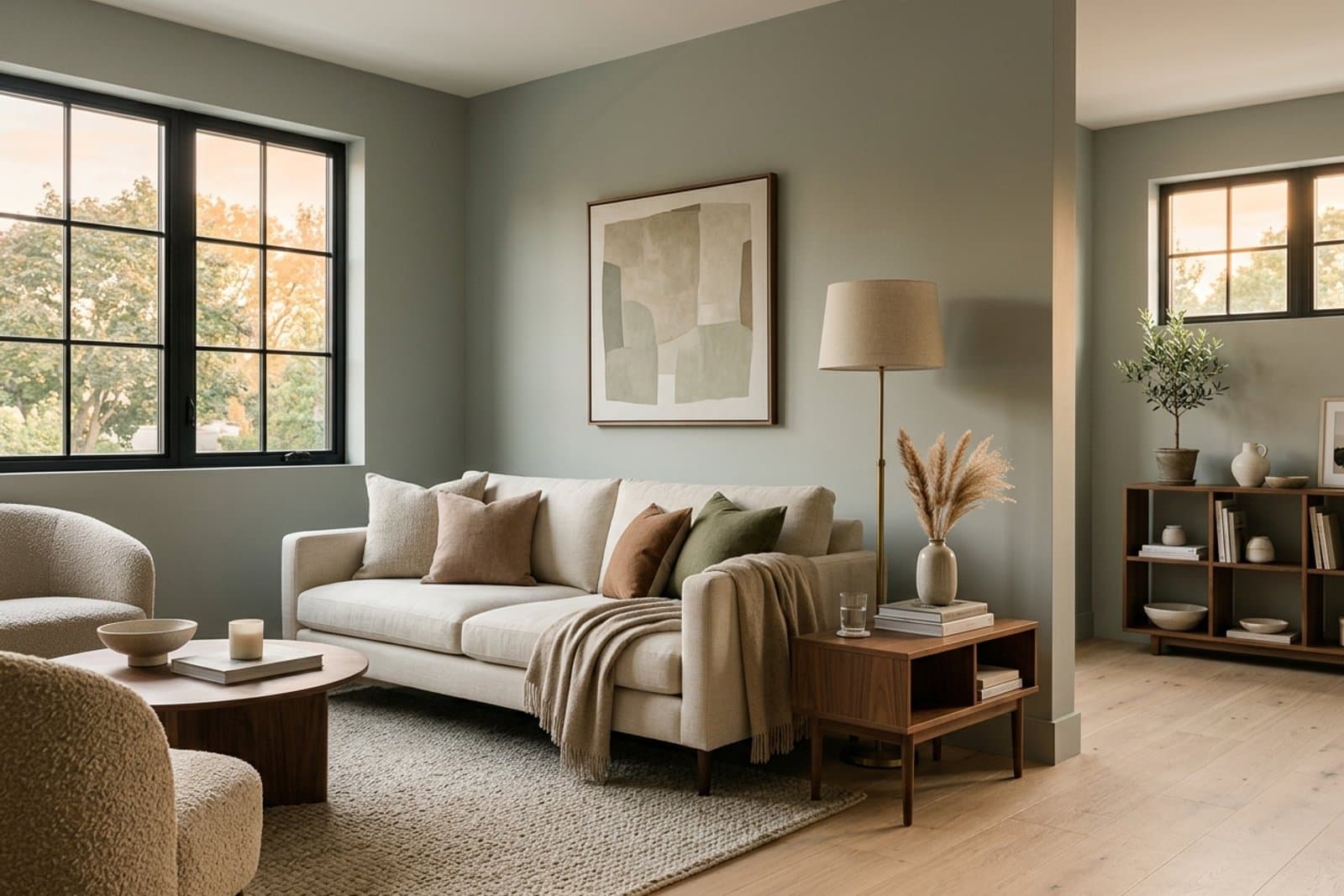
Best Paint Colors for West Facing Rooms (9 LRVs)
West facing rooms flip from cool morning shade to orange sunset light. Compare 9 Sherwin-Williams and Benjamin Moore picks by published LRV.