9 Paint Colors That Work With White Oak Floors, and How to Choose the Right One
Find nine paint colors for white oak floors, with designer advice on undertones, lighting, LRV, and creating a cohesive home.
Short answer
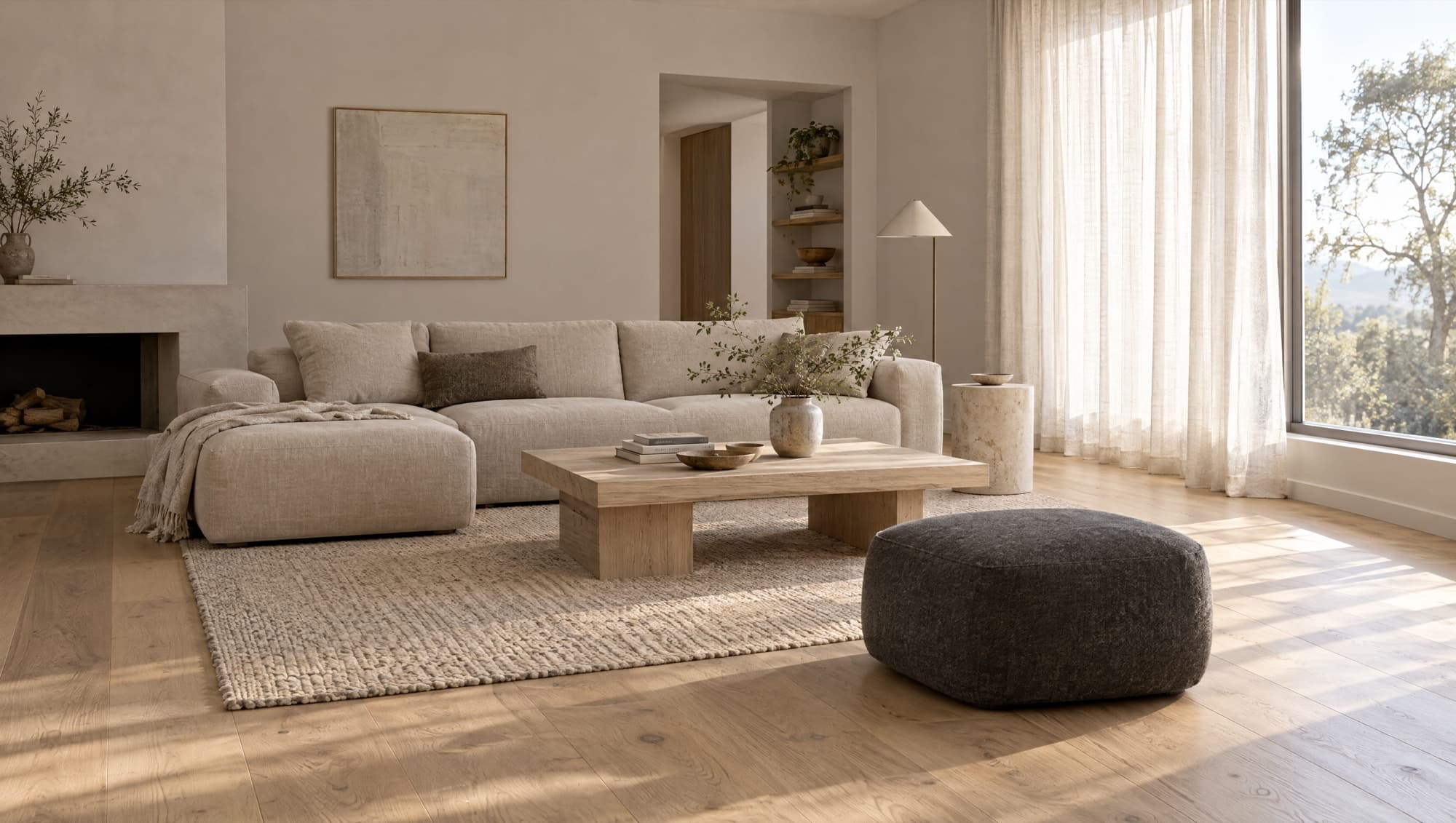
White oak floors work with a wider range of wall colors than you might expect. Soft whites, warm greiges, muted greens, and even deep blues can all look beautiful. The right choice depends on the floor's actual undertone, its finish, the room's lighting, and the atmosphere you want to create. Instead of following a fixed LRV rule, compare large paint samples beside your flooring and surrounding finishes.
White oak floors are beautiful for a reason.
Their subtle grain, natural warmth, and understated character can make almost any room feel inviting.
But once the flooring is installed, choosing a wall color can become surprisingly difficult.
The warm white that looked perfect in the store suddenly feels yellow. The gray you loved looks cold. And the beige that seemed safe makes everything feel a little too beige.
So what went wrong?
Often, it's not the color itself.
It's the relationship between the color, the wood, the light, and everything else in the room.
After more than 25 years working as an interior architect, I've learned that choosing the right paint color is less about finding a universally perfect shade and more about understanding the space you're designing.
Let's start with the floor.
1. First, Understand Which White Oak You Have
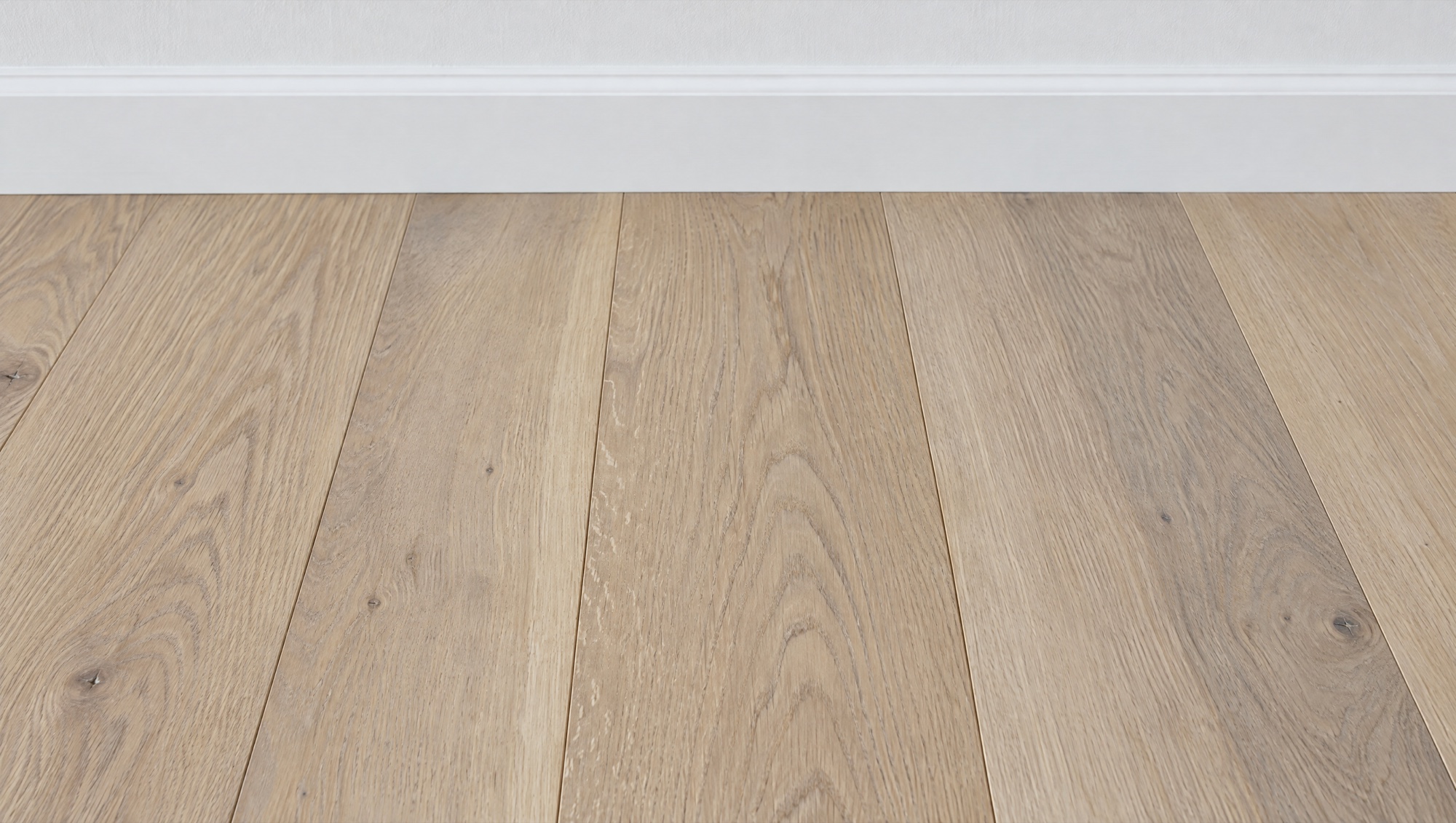
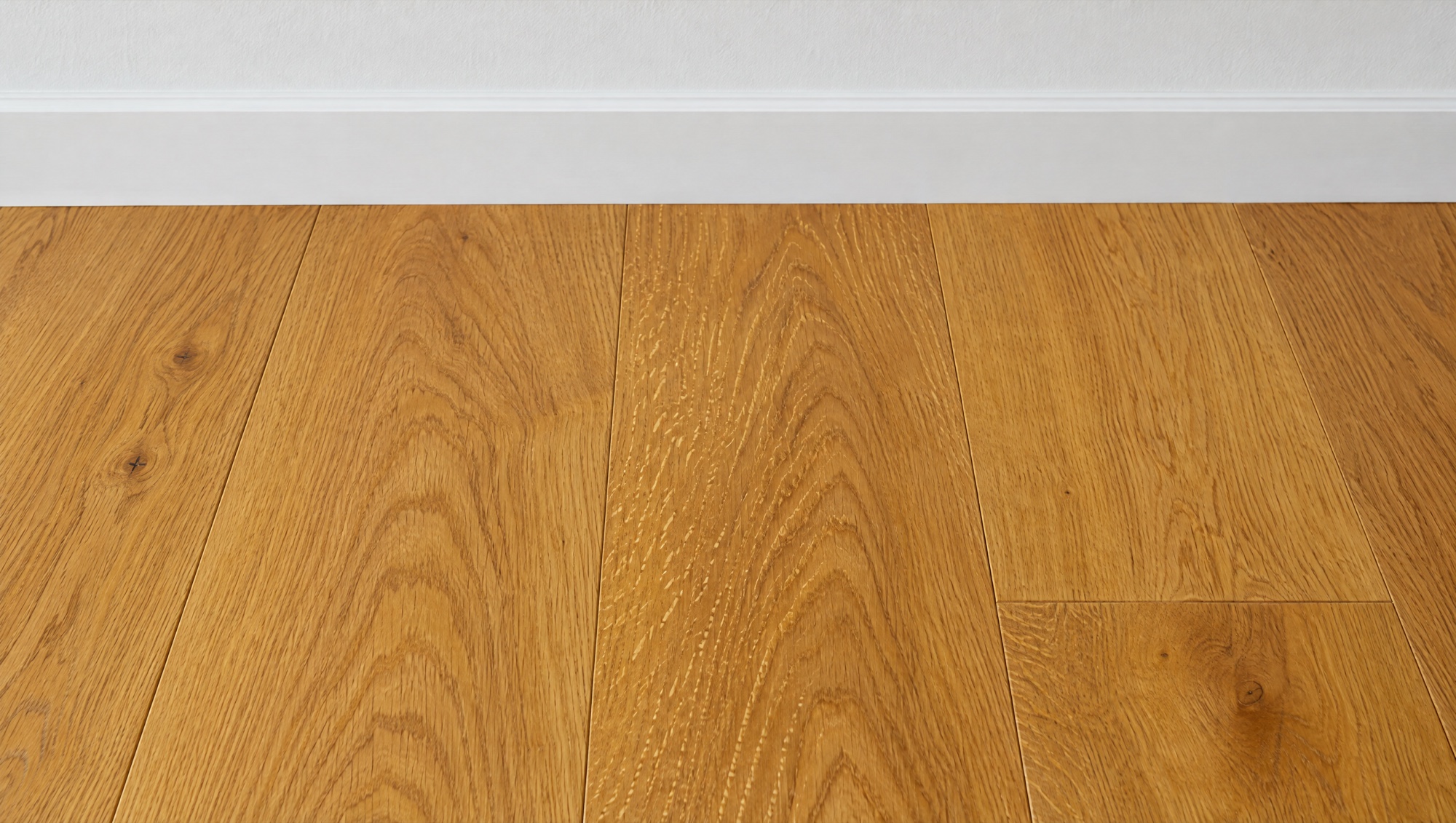 Natural white oak: pale beige, tan, and subtle gray variation. Warm-finished white oak: more pronounced golden or honey tones.
Not all white oak floors look alike.
A natural, matte-finished white oak floor may appear pale beige with subtle gray or taupe variation.
The same species with an ambering finish or warm stain can look noticeably more golden.
Some white oak floors also have cool-toned stains or finishes that shift their appearance toward gray.
That's why choosing paint based only on the words white oak can lead you in the wrong direction.
Before selecting a wall color, look at the actual floor in your home.
Pay attention to its dominant color, undertone, finish, and how it changes throughout the day.
The wood species tells you what the material is. The finish and lighting tell you what color you're actually designing around.
2. Nine Paint Colors Worth Sampling With White Oak Floors
These nine colors offer different design directions, from light and airy to deep and expressive.
The LRV values below are approximate published reference values. Confirm the current manufacturer's specifications before purchasing, and remember that LRV describes light reflectance, not whether two colors will automatically coordinate.
| Paint color | Approx. LRV | Design direction |
|---|---|---|
| Benjamin Moore Chantilly Lace OC-65 | 90 | Crisp, gallery-like white |
| Sherwin-Williams Greek Villa SW 7551 | 84 | Soft, warm white |
| Benjamin Moore White Dove OC-17 | 83 | Gentle, classic white |
| Sherwin-Williams Alabaster SW 7008 | 82 | Creamy, relaxed white |
| Benjamin Moore Pale Oak OC-20 | 69 | Light, warm greige |
| Sherwin-Williams Sea Salt SW 6204 | 63 | Muted green-gray |
| Sherwin-Williams Agreeable Gray SW 7029 | 60 | Balanced warm greige |
| Sherwin-Williams Evergreen Fog SW 9130 | 30 | Deep, muted green-gray |
| Benjamin Moore Hale Navy HC-154 | 8 | Rich, dramatic navy |
Soft whites: When you want the room to feel open and quiet
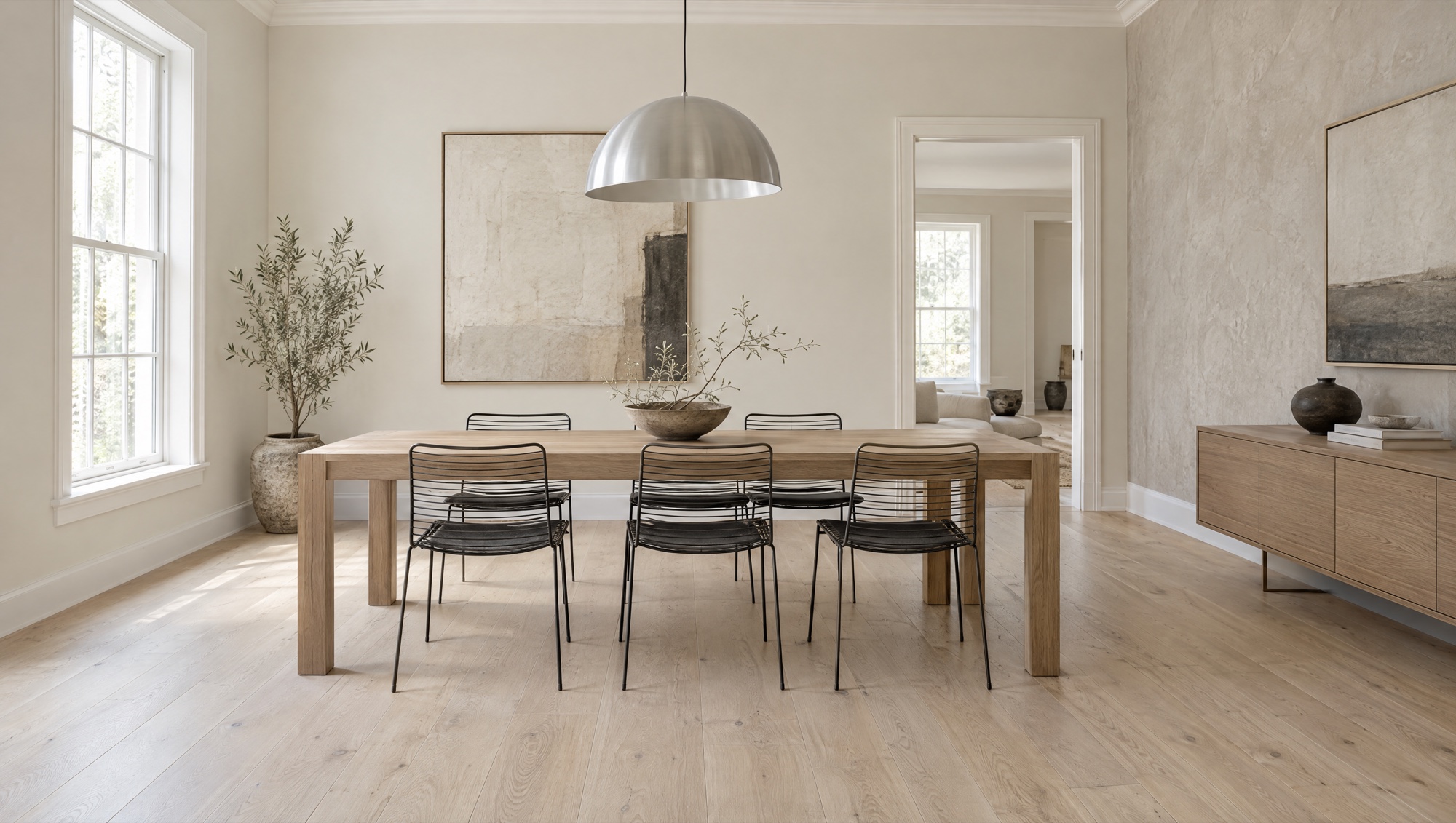 Soft white walls let pale white oak floors carry the room's warmth.
Chantilly Lace, Greek Villa, White Dove, and Alabaster are all worth considering if you want light walls.
But they are not interchangeable.
Chantilly Lace offers a cleaner, brighter impression. Greek Villa and Alabaster introduce more warmth. White Dove provides a soft white that can feel gentle rather than stark.
If your white oak flooring is already golden, compare these whites carefully. A warmer white may create a harmonious effect, while a cleaner white may make the wood's warmth more noticeable.
Neither result is necessarily wrong.
The question is which effect you prefer.
Warm greiges: When you want subtle depth
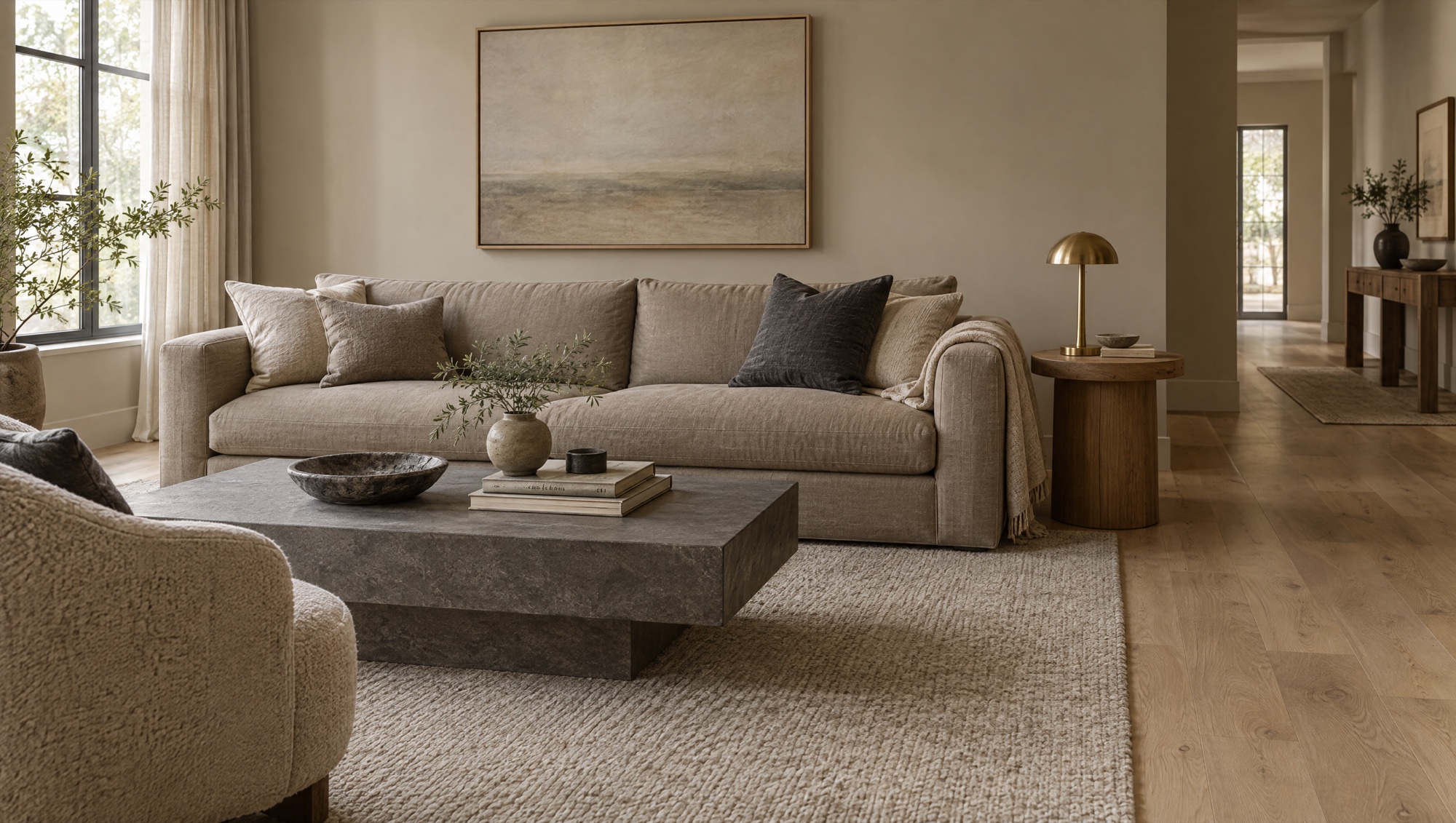 A light warm greige creates a quiet step between the floor and the walls.
Pale Oak and Agreeable Gray can create a quiet transition between light wood flooring and the walls.
They are particularly useful when you want a neutral interior that doesn't feel stark.
However, don't assume that a greige will always look balanced.
Some greiges may appear more pink, violet, beige, or gray depending on the room.
Test them against the actual floor, cabinetry, and upholstery.
Muted greens: When you want a connection to nature
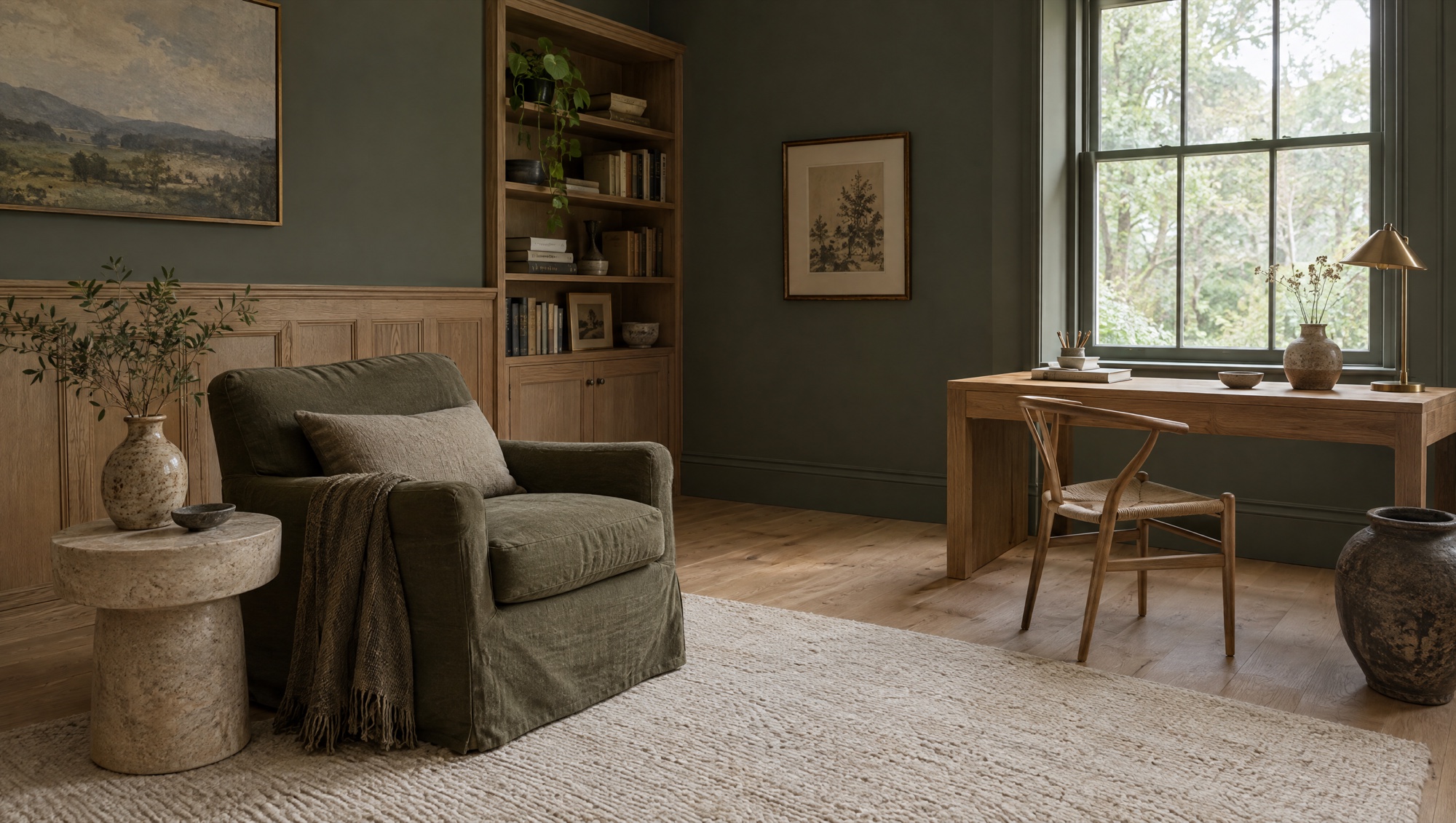 A deeper muted green feels enveloping and still natural beside the oak.
Sea Salt and Evergreen Fog offer two very different approaches to green.
Sea Salt is lighter and can shift between green, gray, and blue-green depending on the light.
Evergreen Fog is deeper and more enveloping.
Muted green can work beautifully with white oak because it creates a natural, organic relationship with the wood.
But the undertone matters. A cool green may produce a noticeable contrast against a golden floor, while a warmer, earthier green tends to blend more gently with the wood.
Deep navy: When you want deliberate contrast
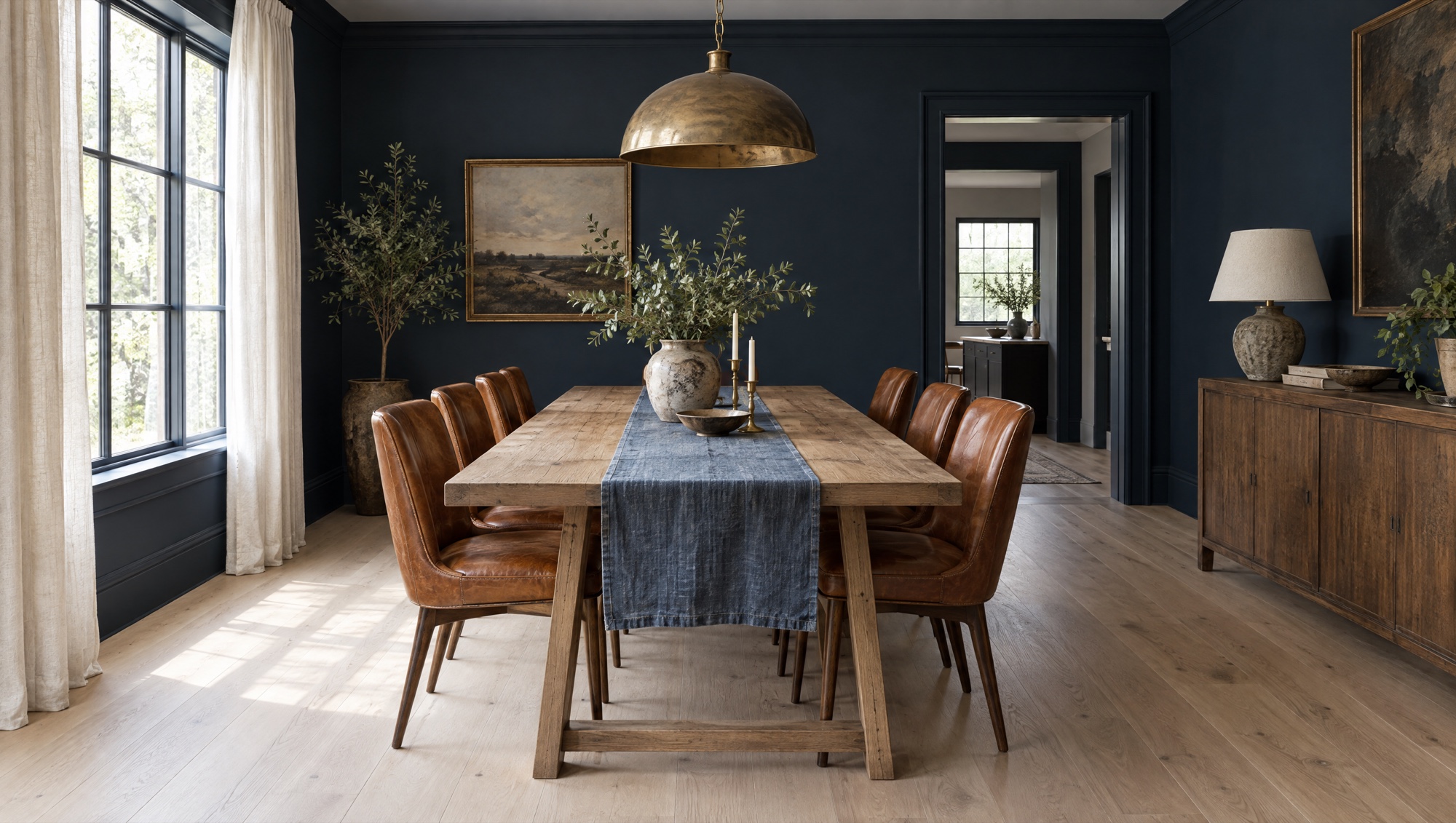 Deep navy walls against pale oak: strong contrast and a more intimate dining room.
Hale Navy creates a much stronger contrast with pale white oak flooring.
It can work beautifully in an office, dining room, or living room when you want depth and a more intimate atmosphere.
A dark wall doesn't automatically make a room feel too small.
The effect depends on natural light, ceiling height, furniture, surrounding finishes, and the overall composition.
3. Should Your Walls Be Lighter or Darker Than White Oak Floors?
Both approaches can work.
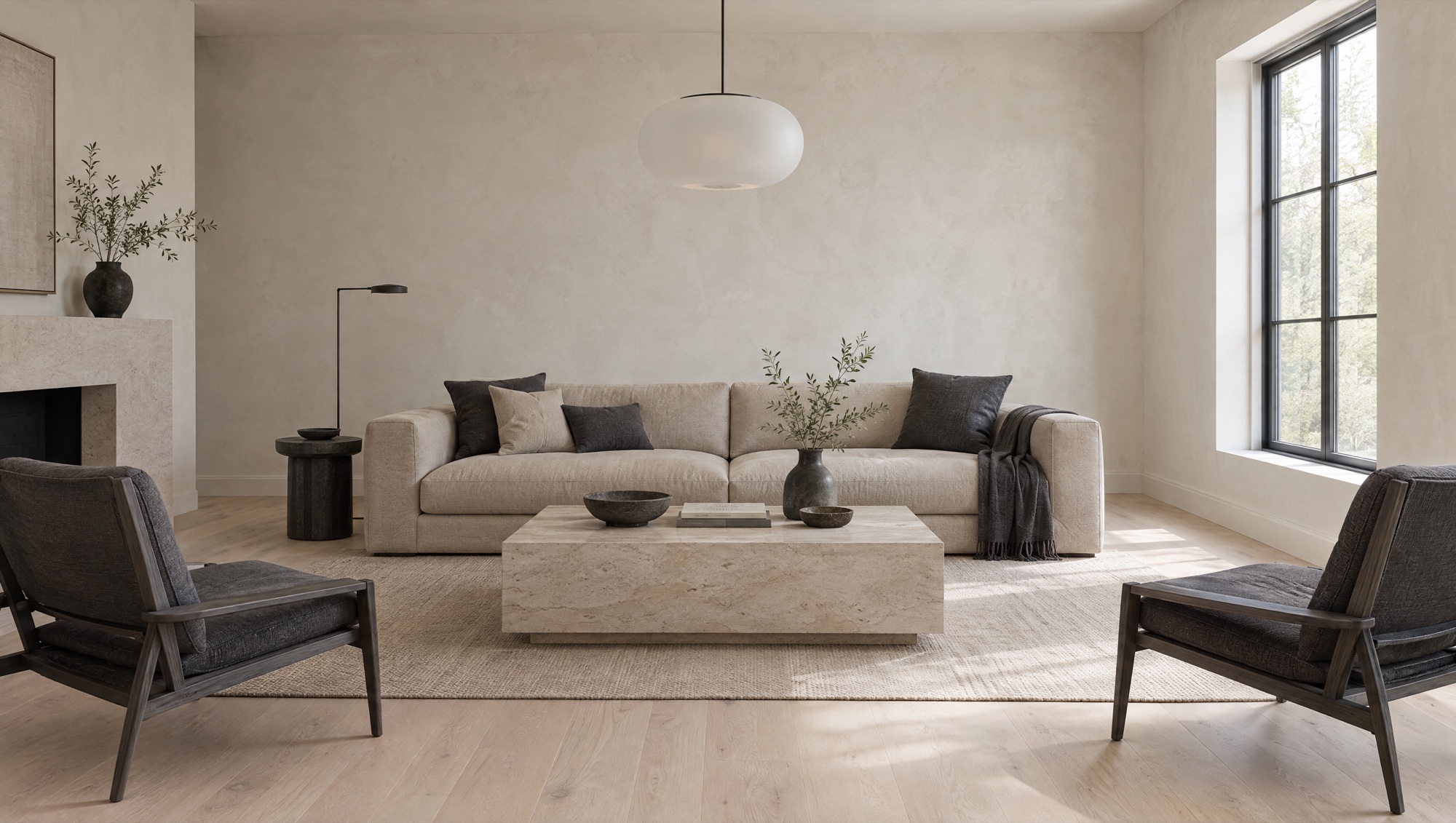
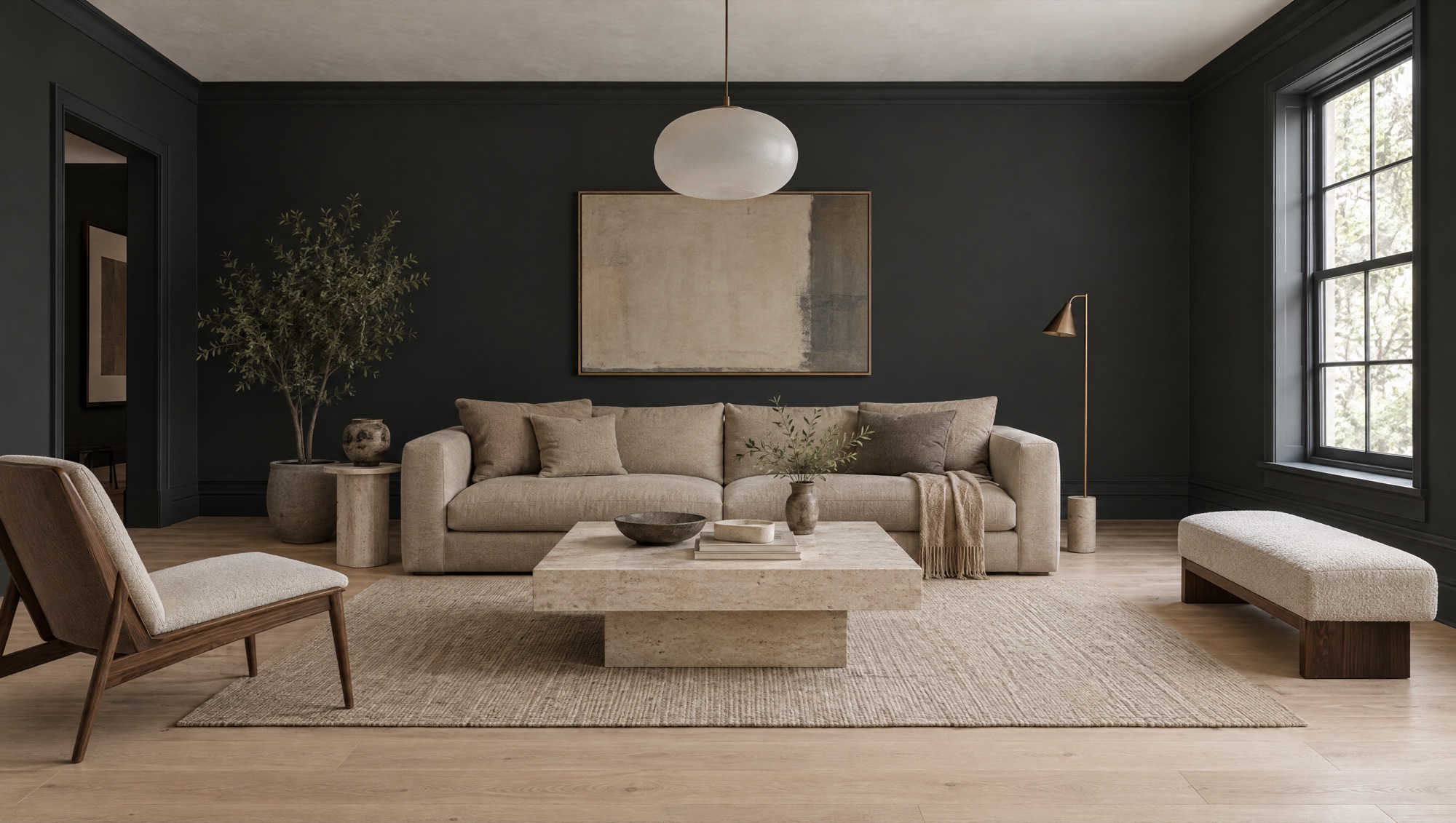 Light walls, light floors: a soft, continuous, airy atmosphere. Dark walls, light floors: stronger contrast, depth, and visual definition.
One of the most misleading pieces of paint advice is that walls and floors must have a large difference in LRV.
They don't.
A room with similar values on the walls and floors can feel calm and unified when the undertones, textures, and furnishings are carefully considered.
A room with a dramatic difference can feel equally beautiful.
The decision is about the visual relationship you want.
Design note: LRV is a useful way to compare how light or dark a paint is. It is not a formula for determining whether a wall color matches a wood floor.
Use it to compare paint brightness, not to impose an arbitrary minimum difference between surfaces.
4. What About Gray Walls With White Oak Floors?
Gray can work beautifully with white oak, but the particular gray matters.
A warm gray or greige can create a subtle relationship with natural oak.
A cooler blue-gray may create a more pronounced contrast, especially when the floor has golden undertones.
That contrast isn't necessarily a problem.
It may be exactly what gives the room character.
The mistake is assuming that all cool grays clash with warm wood, or that all warm grays automatically coordinate.
Instead, evaluate how the two surfaces look together under the room's actual lighting.
A color doesn't succeed because it belongs to the right category. It succeeds because it creates the right relationship.
5. What If Your White Oak Floors Look Yellow or Orange?
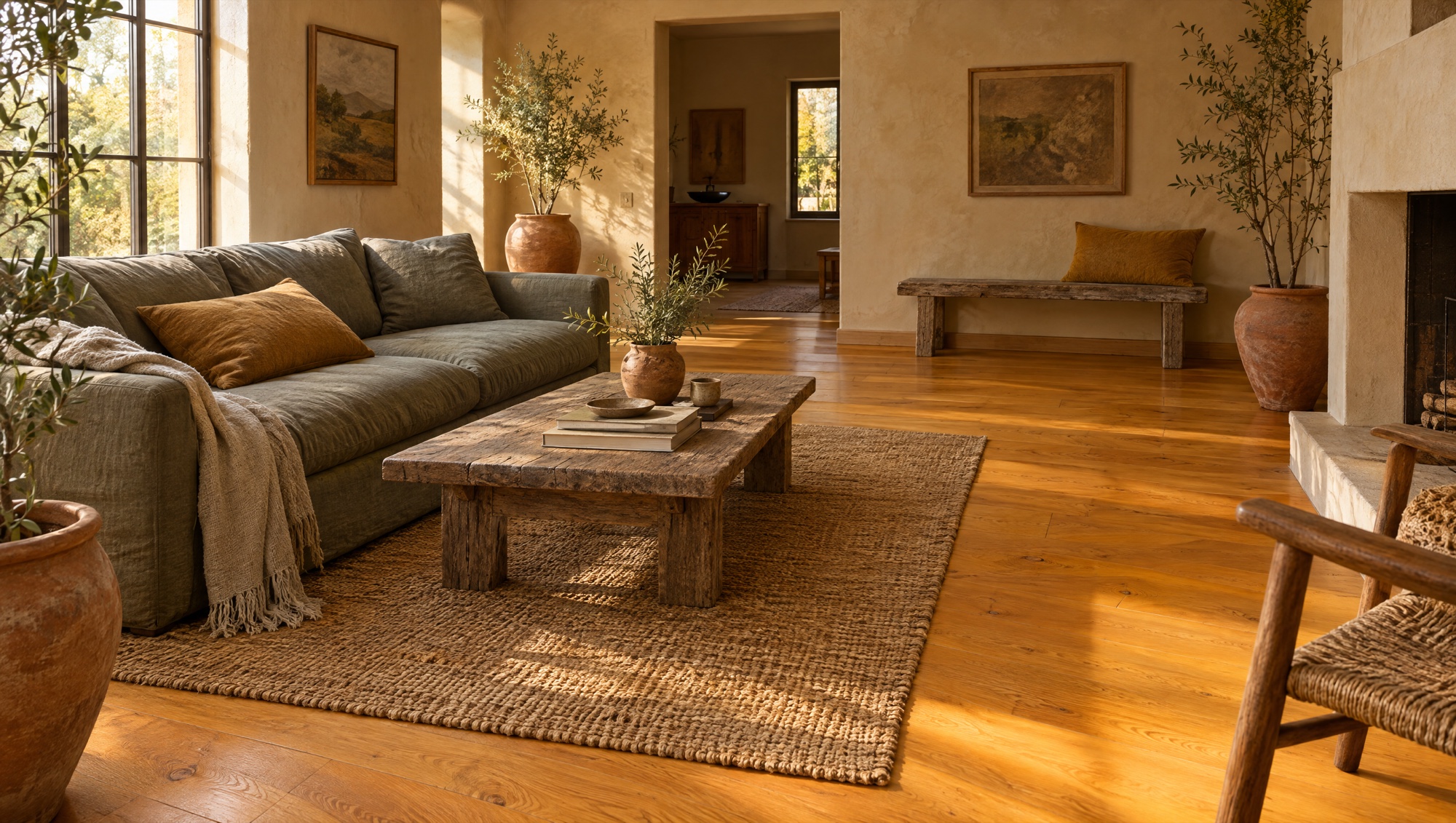 A floor that has turned golden can become part of a warm, earthy palette instead of fighting it.
First, determine whether the warmth comes from the wood itself, the stain, or an aging finish.
A wall color cannot physically remove yellow or orange from a floor.
But it can change what your eye compares them with.
A soft warm neutral may create a more continuous, harmonious palette.
A muted green may offer a natural counterpoint.
A blue-gray can create a stronger warm-cool contrast, sometimes making the floor's golden or orange tones more noticeable.
There is no universal color that will neutralize every golden oak floor.
If the floor's appearance is the main problem, wall paint alone may not achieve the transformation you want.
In some cases, refinishing the floor may be worth exploring with a flooring professional.
Design note: Blue does not cancel orange, as our guide to paint colors for honey oak cabinets explains.
Decide whether you want to soften the floor's warmth, embrace it, or deliberately highlight it.
6. In a Kitchen, Consider More Than the Floor
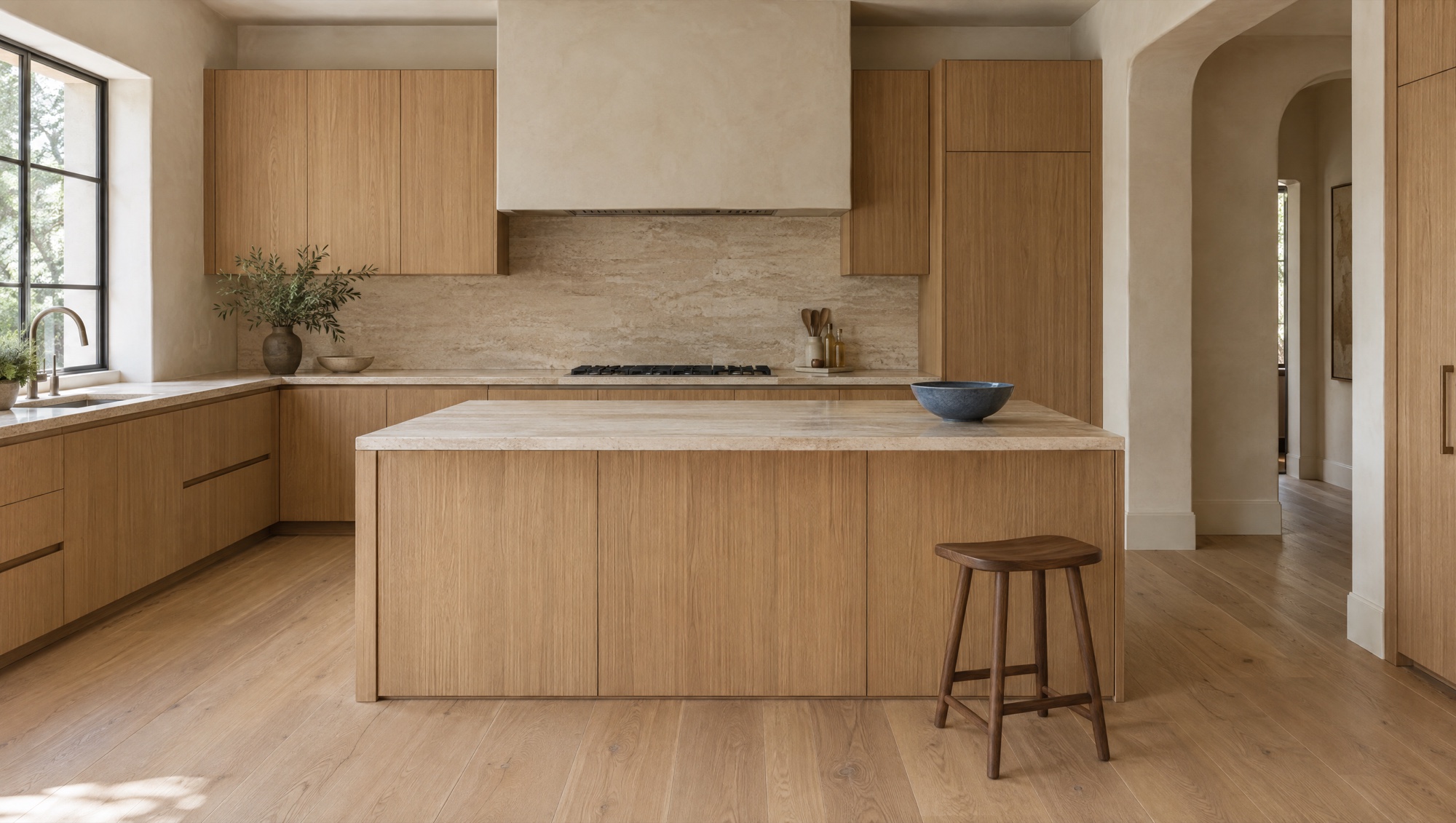 Oak floors and oak cabinets can work together when grain direction, stone, and plaster give each surface definition.
Kitchen paint decisions are rarely about the floor alone.
You also need to consider cabinet color, countertops, backsplash, hardware, and lighting.
If your kitchen has white oak floors and white oak cabinets, matching the two wood tones isn't automatically a mistake.
A carefully designed wood-on-wood kitchen can feel beautifully unified.
What matters is whether the materials have enough variation in grain, texture, sheen, or surrounding finishes to create definition.
Likewise, white cabinets and white oak floors can work with warm whites, greiges, muted greens, and other colors.
Start by identifying the fixed finishes you cannot easily change.
Then choose a wall color that supports the entire composition.
7. Beyond Paint: What If Your Home Had Its Own Design Identity?
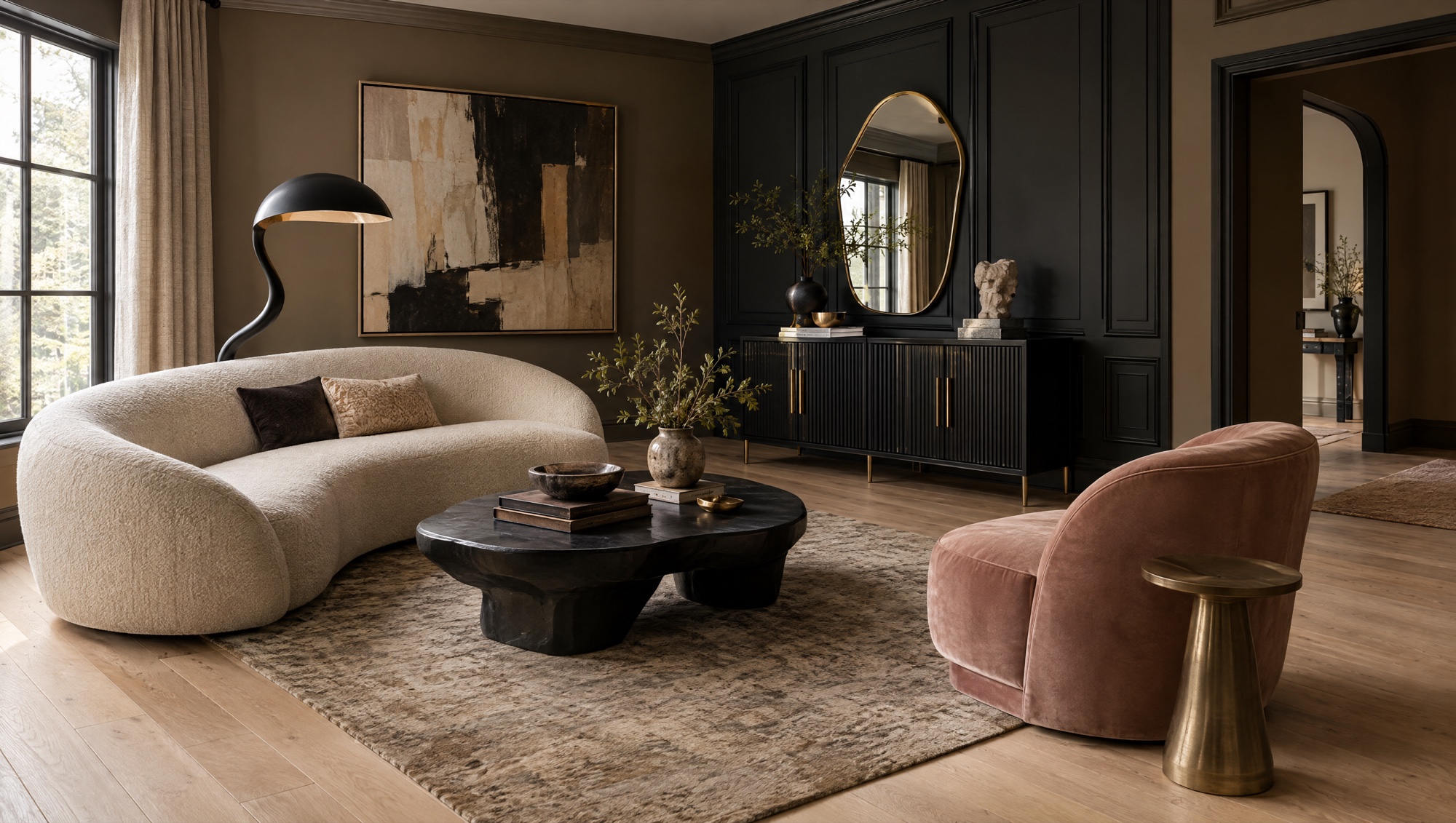 The same pale oak floor becomes the warm base for a more expressive, high-contrast room.
Imagine two homes with the same natural white oak flooring and entirely different wall colors.
One wants a home that feels peaceful, airy, and restorative.
The other wants something more expressive, with stronger contrast and architectural depth.
Both can make beautiful choices.
But their homes should not look the same.
At Studio Did It, we call the personal design foundation behind those differences your Space Identity™.
Each one has its own name and is built from two things: the life you want at home and the house you actually have.
It is more than a decorating style.
It gives you a direction for making decisions.
For someone who values calm and natural simplicity, white oak floors might be paired with soft whites, muted greens, and understated textures.
For someone who enjoys stronger visual contrast, the same floors might become the warm foundation for deeper wall colors, sculptural furniture, and expressive details.
The floor hasn't changed.
The design foundation has.
A Space Identity won't hand you a paint chip. It gives you a reason to keep one sample and let the others go.
And once that foundation is clear, choosing paint becomes part of a much bigger picture.
8. How to Test Paint Colors Against White Oak Floors
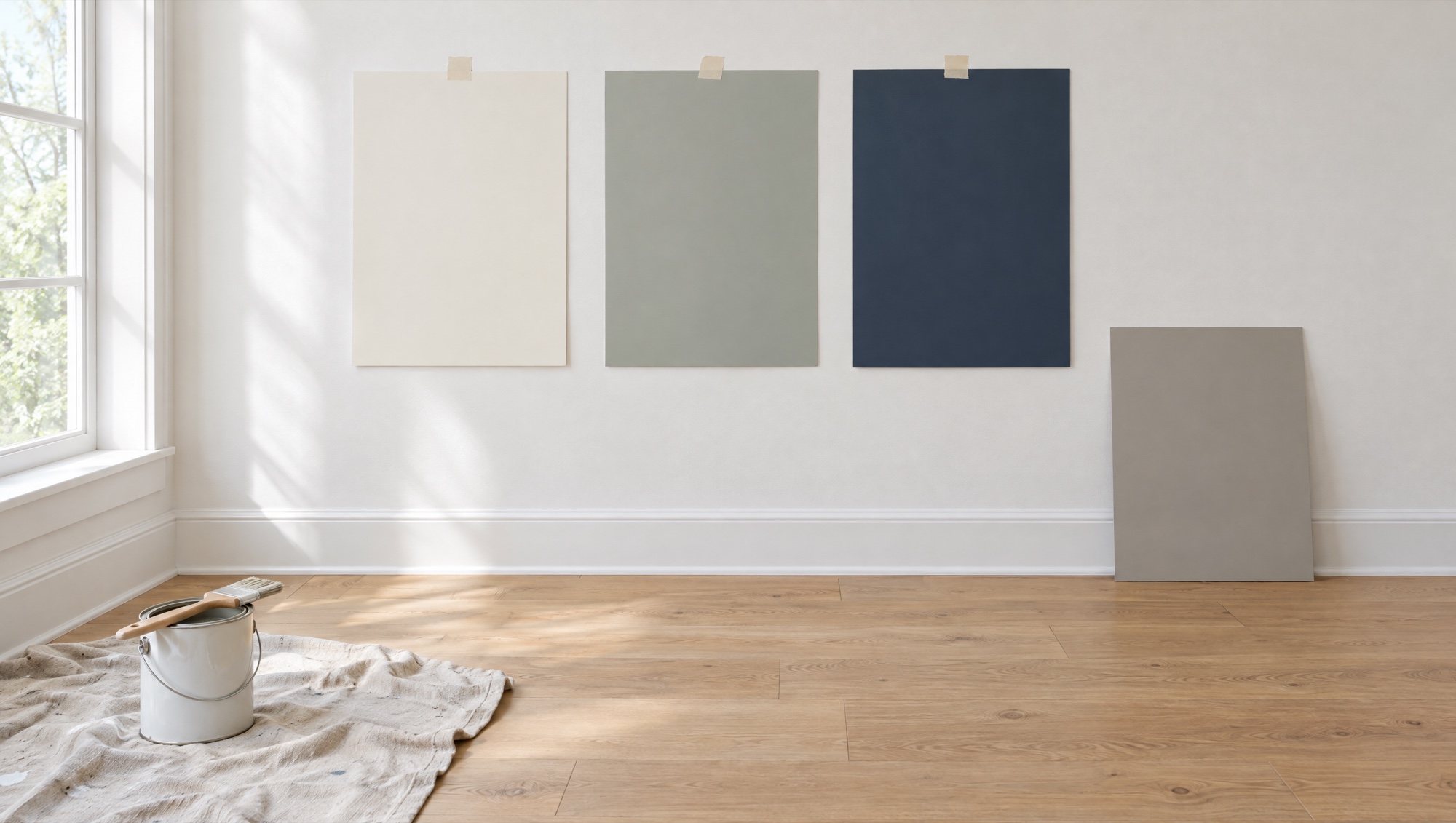 Samples at eye level and right at the floor: you need both views.
Before purchasing paint for an entire room, follow this process.
The Designer's Paint Sample Checklist
- Choose three candidates with intentionally different undertones.
- Place large samples on at least two walls, including one near the flooring.
- Compare each sample with the floor, trim, cabinetry, and major furnishings.
- Observe the colors in morning, afternoon, and evening light.
- Check the samples under the artificial lighting you normally use.
- Choose the color that supports the entire room, not just the flooring.
A sample near the floor helps you judge the relationship between the two materials.
A sample at eye level helps you understand how the color will feel across the wall.
You need both perspectives.
Benjamin Moore recommends comparing paint samples in different positions and lighting conditions. Sherwin-Williams also notes that the amount of natural light a room receives shifts how wall and floor colors interact.
For additional guidance, see Benjamin Moore's paint sampling guide and Sherwin-Williams' flooring and wall color guide.
9. The Three Mistakes I Would Avoid
Mistake 1: Choosing paint from a screen alone.
A digital color is a useful starting point, but it cannot reliably reproduce how paint and wood will look together in your room.
Mistake 2: Following an LRV formula instead of evaluating the space.
There is no universal rule requiring walls to be ten or twenty LRV points away from flooring or trim.
Mistake 3: Selecting a beautiful color without considering the whole room.
A paint color may look wonderful beside the floor but feel wrong beside the kitchen countertop or sofa.
A successful palette connects the fixed materials, furniture, lighting, and atmosphere.
Frequently Asked Questions
What is the best white paint for white oak floors?
White Dove, Alabaster, Greek Villa, and Chantilly Lace are all worth sampling. The best choice depends on the floor's finish, natural light, and surrounding materials.
Does white oak go with gray walls?
Yes. Warm grays, greiges, and selected cool grays can all work. The desired level of contrast and the actual undertones matter more than the general color name.
Should walls be lighter than white oak floors?
Not necessarily. Light walls can create an airy, continuous effect, while deeper walls can provide contrast and intimacy. Both approaches can be successful.
What colors should I avoid with white oak floors?
There is no universal list of forbidden colors. Be cautious with colors that create an unwanted undertone contrast, but evaluate them in your actual room before ruling them out.
What is LRV, and does it determine whether colors match?
LRV stands for Light Reflectance Value, which our guide to painting a dark room explains. It helps compare paint brightness but does not determine color harmony on its own.
Can I use the same white on walls and trim?
Yes. Using the same color on walls and trim, sometimes with different sheens, can create a cohesive, understated appearance.
Final Thought: Choose a Relationship, Not Just a Color
After more than 25 years and over 500 interior architecture projects, I've learned that a beautiful color is not always the right color.
The right color is the one that belongs.
It belongs with the floor, the light, the furniture, the architecture, and the people who live there.
White oak is a wonderful starting point because it offers so many possibilities.
Your job isn't to find the one paint color that everyone agrees is perfect.
It's to discover the relationship that makes your home feel right.
Studio Did It | Design Smarter
Because a well-designed home is not built from perfect individual choices. It is built from choices that work as a whole.
Jihyun Lee is the founder of STUDIO DID IT and has spent more than 25 years designing residential and public interiors, from private homes to the National Library of Korea in Sejong.
The Noticer
For thoughtful people who notice spaces.
What did you notice?
Did something in this story make you see your own space differently?
See the color on your own white oak before you buy a gallon
Send Archie a photo of your floor in daylight. Archie reads the finish, the undertone, the window direction, and your trim, then tells you which two of these nine to sample first.
Match my floor with ArchieAdvertisement. Archie is made by STUDIO DID IT, the studio that publishes Spatia.
Related Articles
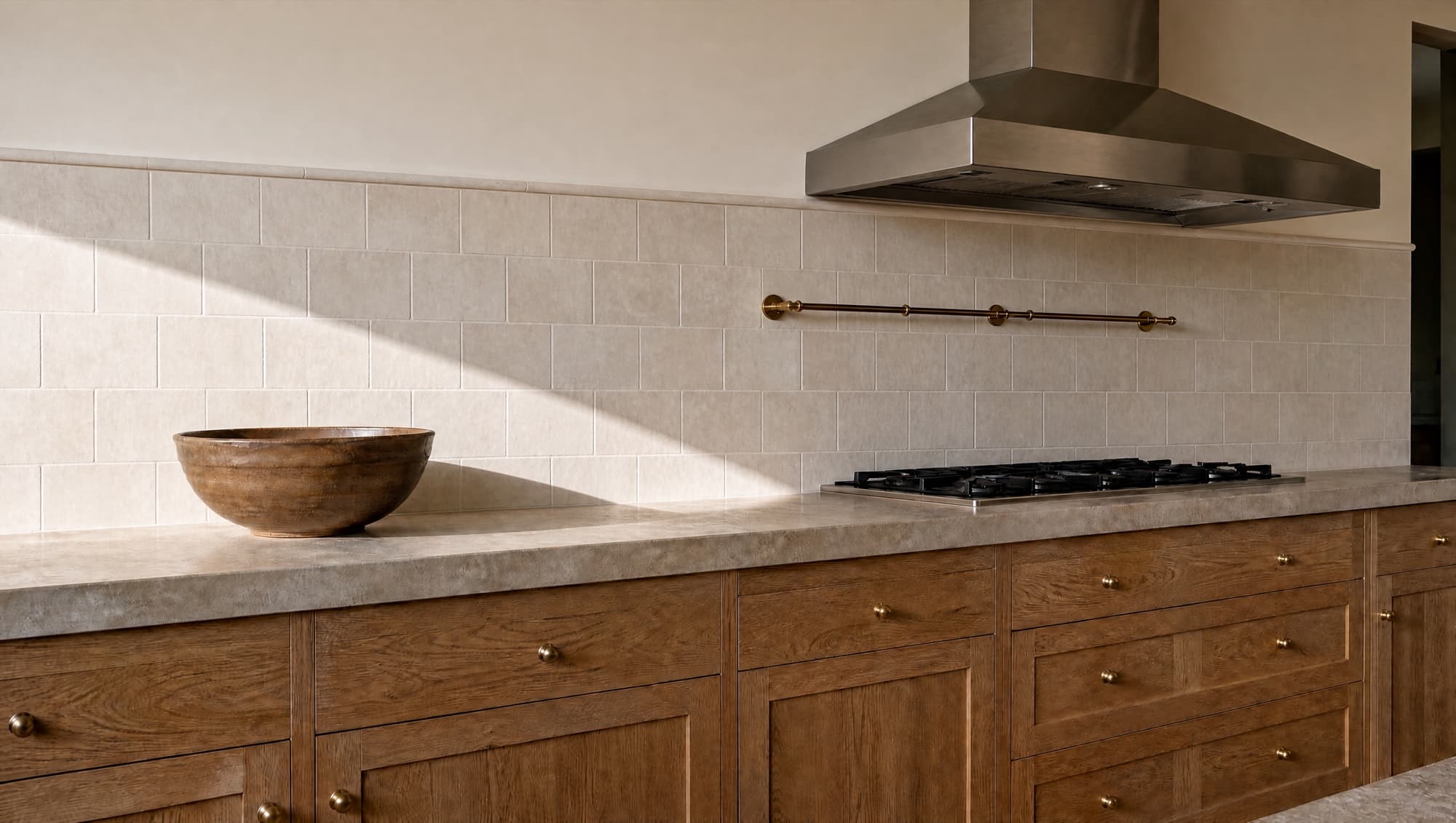
Paint Colors That Go With Honey Oak Cabinets: Make the Wood Part of the Design
Choose paint colors that go with honey oak cabinets by reading your countertop, backsplash, and floor first, then sampling soft white, sage, or blue-gray.
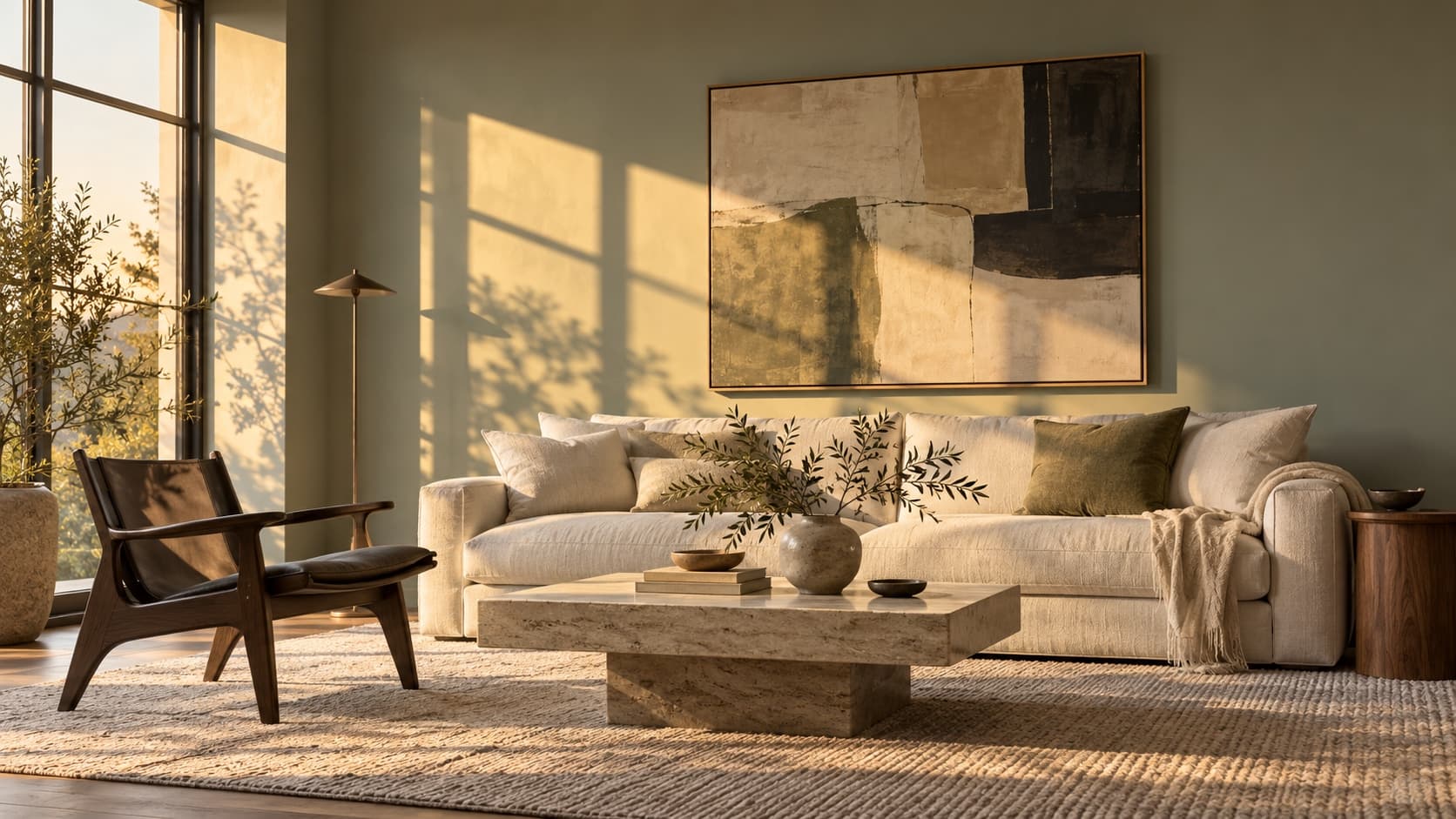
Best Paint Colors for West-Facing Rooms: Keep the Mood You Meant to Create
Choose paint that supports your room's identity. Compare four paint colors for west-facing rooms and test whether afternoon light keeps the mood you want.
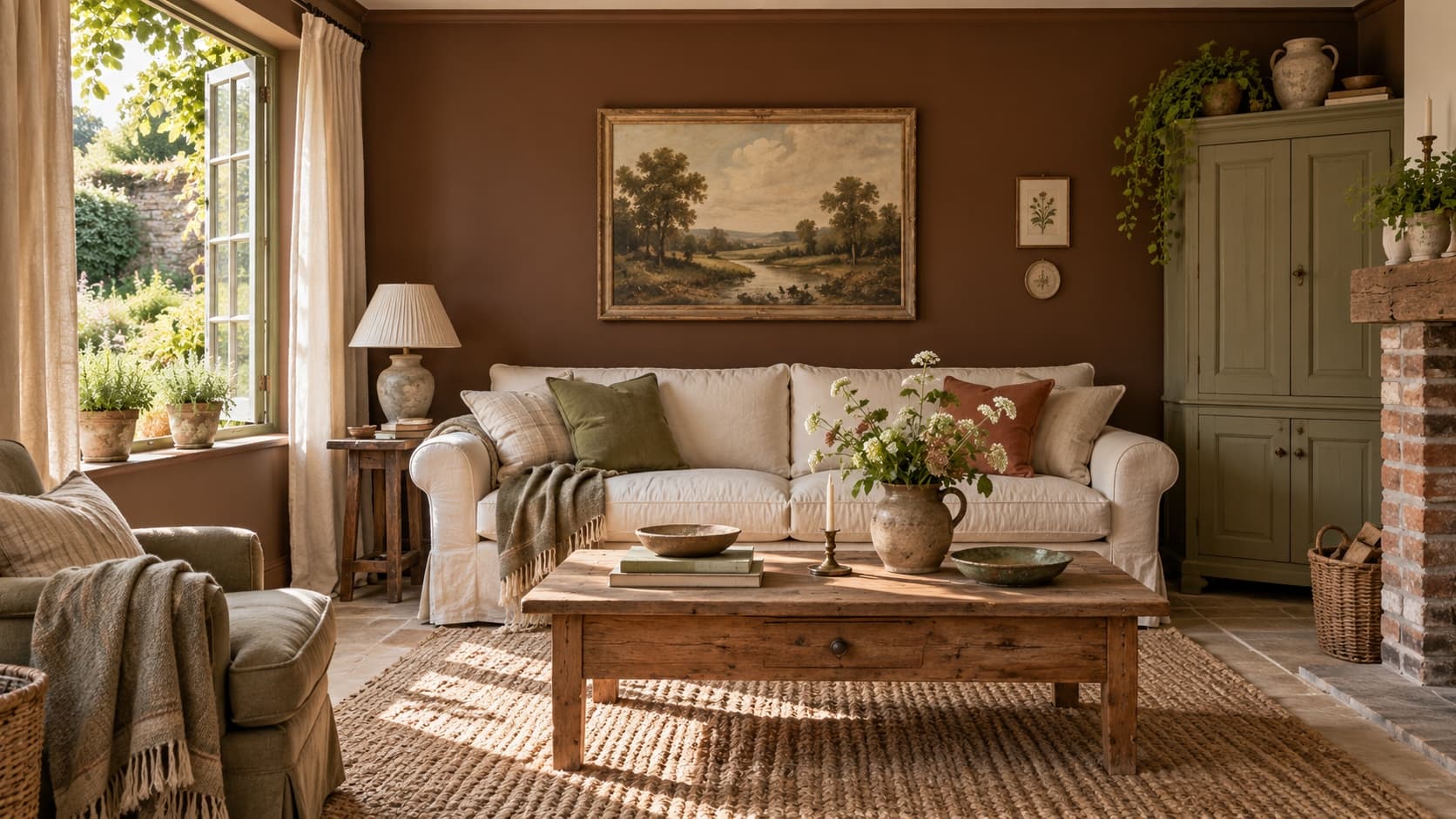
Chocolate Brown Paint Colors: Make Your Living Room Feel Collected, Not Just Dark
Compare four chocolate brown paint colors and learn how upholstery, wood, metal, and trim can turn dark walls into a deliberate, beautifully composed room.
Recently updated
- How to Arrange Furniture: What Comes First MattersOct 31, 2026
- Why Does My Room Feel Off? 3 Questions to Find the Real ProblemOct 31, 2026
- Paint Colors That Go With Honey Oak Cabinets: Make the Wood Part of the DesignOct 31, 2026
- Best Paint Colors for West-Facing Rooms: Keep the Mood You Meant to CreateOct 31, 2026
- Burgundy Living Room Ideas: How to Use a Rich Color Without Making the Room Feel HeavyOct 31, 2026
- French Country vs. Rustic vs. Scandinavian: How to Find the Style That Fits Your HomeOct 31, 2026